Whale poop is quietly helping save the planet
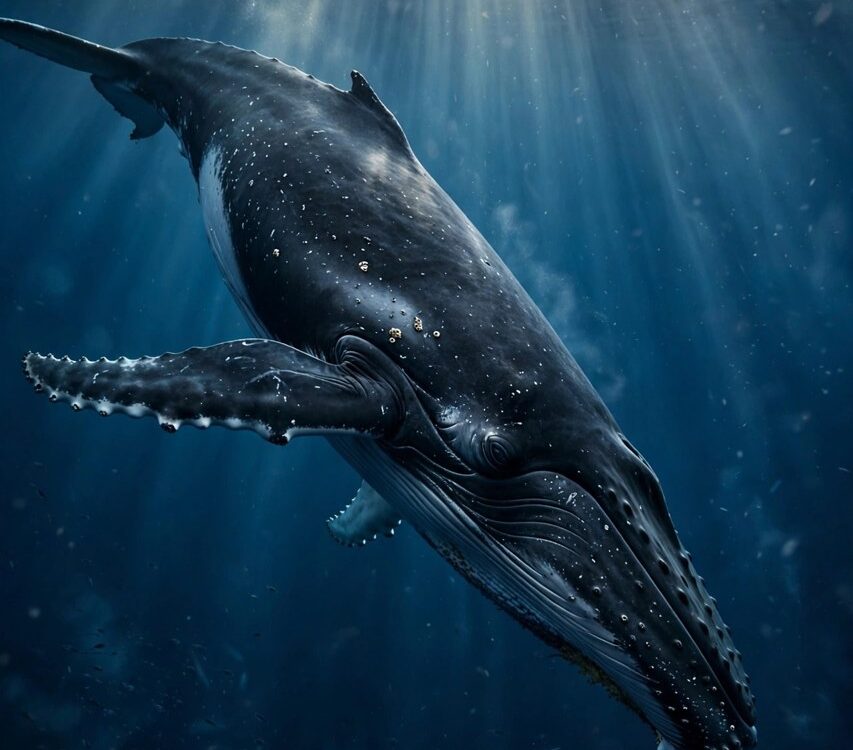
Whale poop is doing more for the planet than most people realise, scientists say.
When whales feed deep underwater and release waste near the surface, they fertilise the ocean. The nutrients feed phytoplankton, the tiny plants that form the base of the marine food chain.
Phytoplankton absorb huge amounts of carbon dioxide as they grow. When they die, some of that carbon sinks to the deep ocean, locking it away.
Scientists call it the "whale poop loop". More whales mean more nutrients, more plankton and more carbon pulled from the atmosphere.
Protecting whale populations is therefore also climate action. The humble cycle shows how ocean life and the climate are deeply connected.
Blue whales are among the largest animals known to have ever lived. A single blue whale can eat several tonnes of krill a day, recycling iron and nitrogen through the ocean. Scientists say restoring whale numbers could boost the ocean's carbon storage.

Khabar 24h Editorial Desk — our explainers are prepared by the Khabar 24h editorial team using AI-assisted research tools, and every piece is reviewed by a human editor before publishing. We do not claim original reporting: our work is turning complex topics into simple, accurate summaries. Spotted an error? Write to contact@khabar24h.com — our corrections policy aims for same-day review.
More from this author →
Leave a Reply