Scientists turn plastic bottles into protein-rich cookies
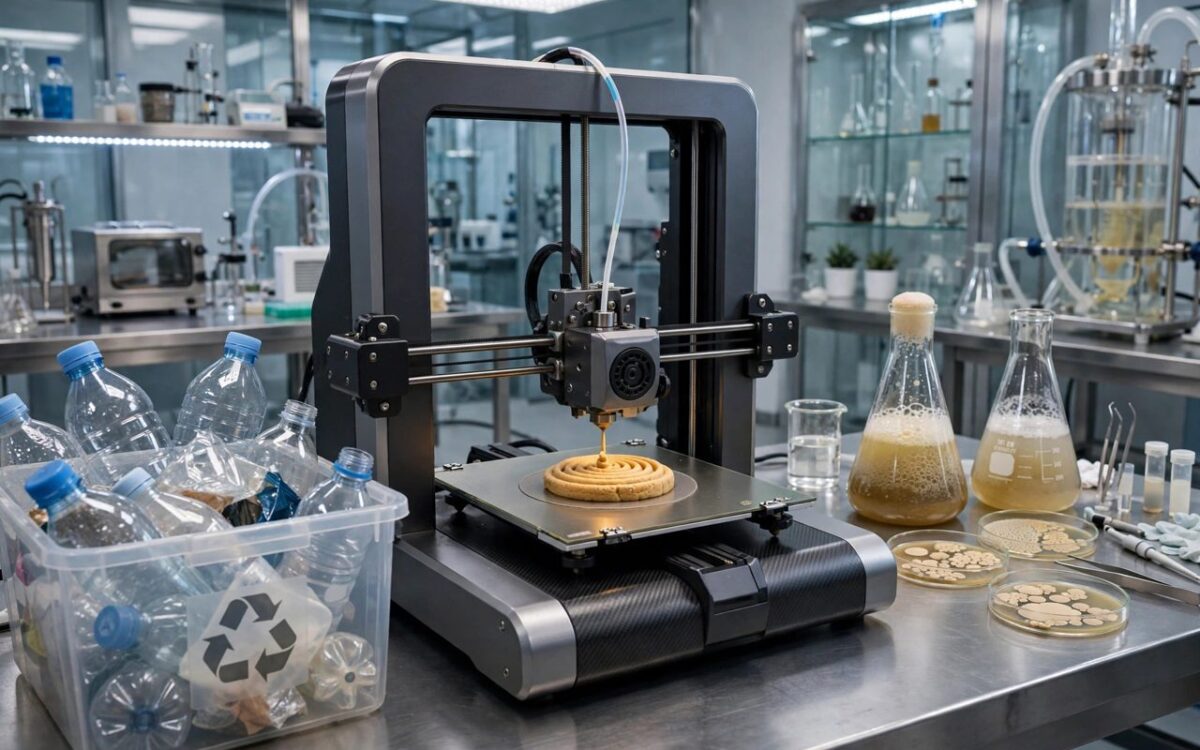
Researchers at Southern Illinois University Carbondale have developed a method to convert plastic and agricultural waste into edible food using genetically programmed yeasts, with the mixture 3D-printed into protein-rich cookies called uBites.
The process starts with PET plastic from bottles and corn stalks, broken down through oxidative hydrothermal dissolution using water and oxygen at high temperature and pressure. Engineered yeast strains then convert the fragments into proteins, fats, vitamins and flavour compounds, including vanillin and beta-carotene.
The work was presented at the American Chemical Society’s Fall 2026 meeting in Chicago by Associate Professor Lahiru Jayakody and graduate student Sandhya Jayasekara. It began under NASA’s Deep Space Food Challenge, which seeks food sources for long space missions without resupply.
Taste panels scored the cookies 6.5 out of 9, but formal human taste tests are still awaiting institutional approval. Third-party lab testing found no toxic chemicals, heavy metals or pathogens in the cookies.

Khabar 24h Editorial Desk — our explainers are prepared by the Khabar 24h editorial team using AI-assisted research tools, and every piece is reviewed by a human editor before publishing. We do not claim original reporting: our work is turning complex topics into simple, accurate summaries. Spotted an error? Write to contact@khabar24h.com — our corrections policy aims for same-day review.
More from this author →
Leave a Reply