Concrete’s Carbon Problem – and the Greener Alternatives
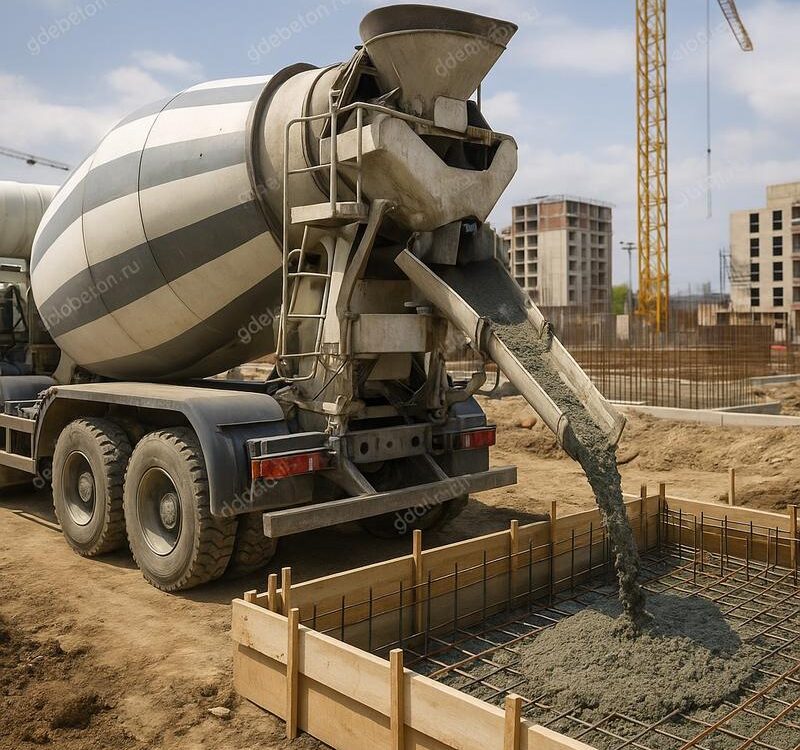
Concrete is the skeleton of modern civilisation: the second most consumed material on Earth after water, with humanity pouring some 30 billion tonnes yearly into buildings, bridges, dams and roads. It is also a climate problem of staggering scale. Cement production, the key ingredient, accounts for roughly 8 per cent of global carbon dioxide emissions, more than aviation and shipping combined. The chemistry is unforgiving: making cement inherently releases CO2, not just from the fuel burned but from the limestone itself. As India urbanises at historic speed, building the equivalent of a new Chicago every year by some estimates, the carbon maths of concrete becomes a national question. Fortunately, materials science is producing answers: alternative binders, carbon capture, and recipes that slash emissions while keeping concrete cheap and strong.
Why cement breathes out CO2
Portland cement, the glue of concrete, is made by heating limestone, calcium carbonate, with clay to about 1,450 degrees Celsius in a rotating kiln. Two sources of CO2 result. First, the fuel: kilns burn coal, gas or waste to reach those temperatures, contributing roughly 40 per cent of emissions. Second, and unavoidable by efficiency alone, the chemistry: limestone decomposes into lime and carbon dioxide, CaCO3 becoming CaO plus CO2, releasing about half a tonne of CO2 per tonne of cement regardless of the fuel used. This process emission is why cement is called hard to abate; you cannot engineer around the stoichiometry. Concrete itself then slowly reabsorbs some CO2 over decades through carbonation, but only a fraction of what was released. With global cement demand projected to grow, driven overwhelmingly by Asia and Africa, the industry faces a stark challenge: decarbonise the chemistry, or the material that builds the future will cook it.
The greener recipes
The solutions attack both emission sources. Supplementary cementitious materials replace part of the clinker, the carbon-intensive component, with industrial byproducts: fly ash from coal plants, slag from steelmaking, and calcined clay. India’s abundant fly ash already goes into Portland pozzolana cement, cutting emissions per tonne significantly; limestone-calcined clay cement, LC3, pioneered with Swiss and Indian researchers, can cut CO2 by up to 40 per cent using widely available clays. Geopolymer concretes abandon Portland chemistry entirely, activating fly ash or slag with alkaline solutions to form binders with up to 80 per cent lower emissions, though standardisation lags. Carbon-curing injects captured CO2 into fresh concrete, mineralising it permanently while strengthening the material; several startups now sell carbon-negative blocks. Electrified kilns, hydrogen fuel and waste-derived fuels attack the energy side. None is a silver bullet, but combined, and matched to local materials, they can plausibly halve concrete’s footprint, which at global scale would be among the largest single climate wins available.
Building India’s low-carbon future
India is both the challenge and the opportunity: the world’s second-largest cement producer, with demand still rising as cities grow and infrastructure expands. The good news is structural: India already leads in blended cements, with pozzolana and slag cements common, and its codes increasingly permit performance-based specifications that allow novel binders. LC3 is particularly suited to India, where suitable clays are widespread and the technology was partly developed with Indian partners. Carbon-cured blocks and precast elements fit India’s construction rhythms. Policy levers exist: green public procurement for government projects, which are massive buyers; updated building codes rewarding low-carbon concrete; and carbon pricing that would tilt economics toward cleaner recipes. The deeper lesson is that decarbonising concrete is not about abandoning the material; nothing else matches its cost, versatility and durability. It is about reinventing the chemistry inside the grey, turning the most used material on Earth from a climate liability into, potentially, a carbon sink.
- Cement production causes about 8 per cent of global CO2 emissions.
- Half a tonne of CO2 is released per tonne of cement from limestone chemistry alone.
- LC3 cement, using calcined clay, can cut emissions by up to 40 per cent.
- India is the world’s second-largest cement producer and a leader in blended cements.
- Carbon-cured concrete mineralises captured CO2 permanently while gaining strength.
FAQs
What is the difference between cement and concrete? Cement is the powder binder; concrete is cement mixed with water, sand and aggregate stone. Cement’s chemistry causes the emissions.
Can concrete absorb CO2? Yes, slowly, through carbonation over decades, but it reabsorbs only a fraction of production emissions; carbon-curing accelerates and increases this.
Will green concrete cost more? Some alternatives already match conventional costs; others need scale. Blended cements like PPC are typically cheaper than pure Portland cement in India.
The material that built the modern world must now be rebuilt itself. The chemistry is known, the alternatives exist, and the construction boom gives India the chance to build the low-carbon way from the start.
Compiled by the Khabar 24h Editorial Desk from publicly available sources.

Khabar 24h Editorial Desk — our explainers are prepared by the Khabar 24h editorial team using AI-assisted research tools, and every piece is reviewed by a human editor before publishing. We do not claim original reporting: our work is turning complex topics into simple, accurate summaries. Spotted an error? Write to contact@khabar24h.com — our corrections policy aims for same-day review.
More from this author →