Study counts energy cost of bacterial hibernation
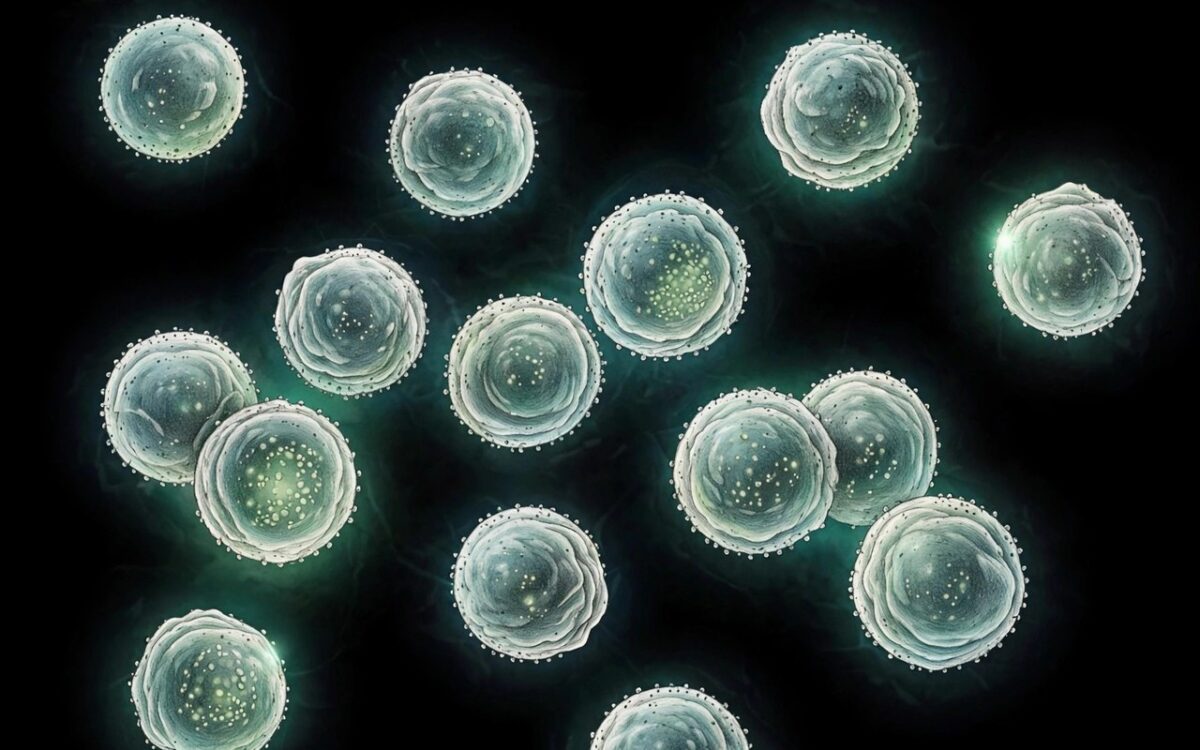
Scientists have measured how much energy bacteria spend to hibernate and wake up. The study found that forming and reviving a spore costs nearly 10 billion ATP molecules, the cell’s energy currency.
The work was published in the Proceedings of the National Academy of Sciences. Researchers tracked the full energy budget of spore-forming bacteria step by step.
They found that outgrowth accounts for 88% of the energy used in revival. Waking up is far more costly than shutting down, the study shows.
The findings help explain how dormant bacteria survive harsh conditions for years. Spores can resist heat, chemicals and antibiotics while they sleep.
The researchers say the energy map could guide new ways to fight harmful spores in hospitals. More work is needed to test the idea in real settings. Spores are among the toughest life forms known. They can survive boiling, radiation and long years without food or water before springing back to life.
Related stories
View all →
Webb Study Shows Planet Formation Is a Race Against Time
New research using NASA's James Webb Space Telescope shows that forming giant planets is a race against time. The study examined 72…

SpaceX and NASA roll out Crew-13 for October 1 launch
NASA and SpaceX have rolled the Crew-13 mission out to the launch pad and completed a static fire test ahead of a…

NASA targets December for uncrewed Starliner flight
NASA is targeting December 2026 for an uncrewed test flight of Boeing's Starliner spacecraft to the International Space Station, a milestone the…

Khabar 24h Editorial Desk — our explainers are prepared by the Khabar 24h editorial team using AI-assisted research tools, and every piece is reviewed by a human editor before publishing. We do not claim original reporting: our work is turning complex topics into simple, accurate summaries. Spotted an error? Write to contact@khabar24h.com — our corrections policy aims for same-day review.
More from this author →
Leave a Reply