GST 2.0, One Year On: The Two-Slab Reset, What Got Cheaper, and What It Means for Your Household
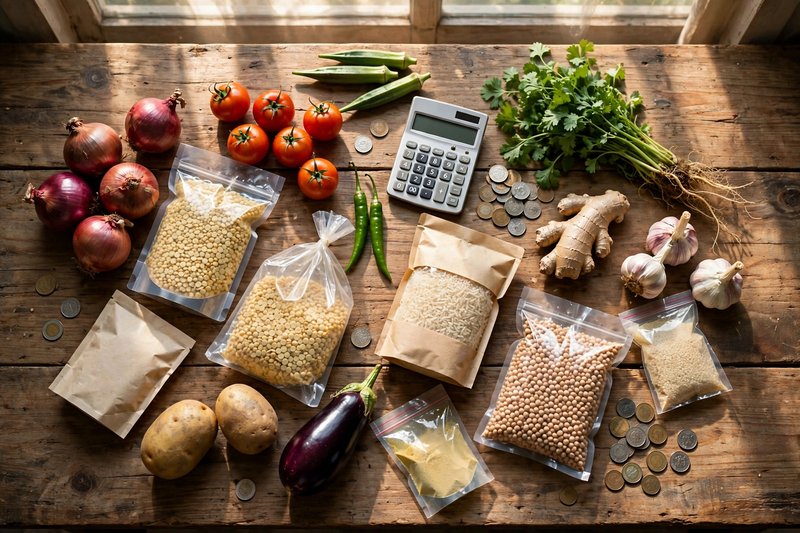
India’s Goods and Services Tax underwent its biggest surgery since its 2017 launch in September 2025, when the 56th GST Council replaced the familiar four-rate structure with a simplified two-slab system. After a marathon ten-and-a-half-hour meeting chaired by Finance Minister Nirmala Sitharaman, the Council voted unanimously to collapse the 5, 12, 18 and 28 per cent slabs into just two rates — 5 per cent and 18 per cent — with a special 40 per cent slab reserved for a handful of luxury and demerit goods. The new rates took effect on September 22, 2025, the first day of Navratri.
What changed in the slab structure
The old system taxed goods and services at four rates, which produced endless classification disputes and inverted duty structures — situations where inputs were taxed higher than finished goods. Under the new design, 99 per cent of items earlier taxed at 12 per cent moved to 5 per cent, while 90 per cent of items taxed at 28 per cent moved to 18 per cent. The highest slab of 40 per cent applies only to select items such as high-end cars, tobacco, cigarettes and pan masala, with scope for an additional levy on top.
What got cheaper — and what got dearer
The most visible impact landed in household budgets. Everyday personal-care products — soap, shampoo, toothpaste, toothbrushes, talcum powder, face powder and hair oil — dropped from 18 per cent to 5 per cent. Common food and beverages followed: butter, ghee, dry nuts, condensed milk, sausages and meat, jam and fruit jellies, tender coconut water, namkeen, 20-litre packaged drinking water, fruit pulp and juice, milk-based beverages, ice cream, pastry, biscuits, corn flakes and cereals all moved to the 5 per cent slab. Agricultural goods such as tractors and composting machines, and renewable energy equipment like biogas plants and windmills, fell from 12 per cent to 5 per cent.
Big-ticket items got cheaper too: small cars, buses, trucks, ambulances, motorcycles below 350cc, three-wheelers, air conditioners, televisions and cement moved from 28 per cent to 18 per cent. The Council raised the price threshold for the 5 per cent slab on footwear and apparel from Rs 1,000 to Rs 2,500 per piece. Paneer, ultra-high-temperature milk and all Indian breads now attract no tax at all. Individual life insurance policies — term plans, ULIPs and endowment policies — and individual health insurance, including family floaters and senior-citizen plans, were fully exempted from GST. On the other side, tobacco, cigarettes and luxury cars became dearer under the 40 per cent slab.
The standout rate cuts at a glance:
- Personal care (soap, shampoo, toothpaste, hair oil): 18% to 5%
- Everyday foods (butter, ghee, namkeen, biscuits, ice cream): 18% to 5%
- Farm and green equipment (tractors, biogas plants, windmills): 12% to 5%
- Small cars, two-wheelers below 350cc, ACs, TVs, cement: 28% to 18%
- Individual life and health insurance: fully exempt from GST
- Indian breads, paneer, UHT milk: nil tax
The Finance Minister described the overhaul as more than rate-cutting: a structural reform aimed at ease of living, correcting inverted duty structures, resolving classification disputes and bringing stability and predictability to the tax regime. The timing was deliberate — ahead of the festive season — to boost domestic consumption and cushion the economy against the blow of steep US tariffs on Indian exports.
Did revenues survive the cuts?
The predictions of collapsing collections have not materialised. Gross GST revenue for FY26 reached Rs 22.27 lakh crore, up 8.3 per cent over the previous year. July 2026 set a record at Rs 2.11 lakh crore, up 15.4 per cent year-on-year, followed by Rs 1.998 lakh crore in August. Cumulative April-to-August collections stood at Rs 10.43 lakh crore, up 11 per cent. States, however, remain wary: opposition-ruled states demanded revenue-loss estimates, and the Jammu and Kashmir finance minister warned the reform could shave 10 to 12 per cent off state GST revenues.
The 57th GST Council meeting, rescheduled to October 7, 2026, will review one year of the new structure before considering any fresh broad-based cuts — which, by most accounts, are unlikely for now.
Source: Business Today

Khabar 24h Editorial Desk — our explainers are prepared by the Khabar 24h editorial team using AI-assisted research tools, and every piece is reviewed by a human editor before publishing. We do not claim original reporting: our work is turning complex topics into simple, accurate summaries. Spotted an error? Write to contact@khabar24h.com — our corrections policy aims for same-day review.
More from this author →
Leave a Reply