Politics
How the UK’s House of Lords Works: Britain’s Unelected Chamber Explained
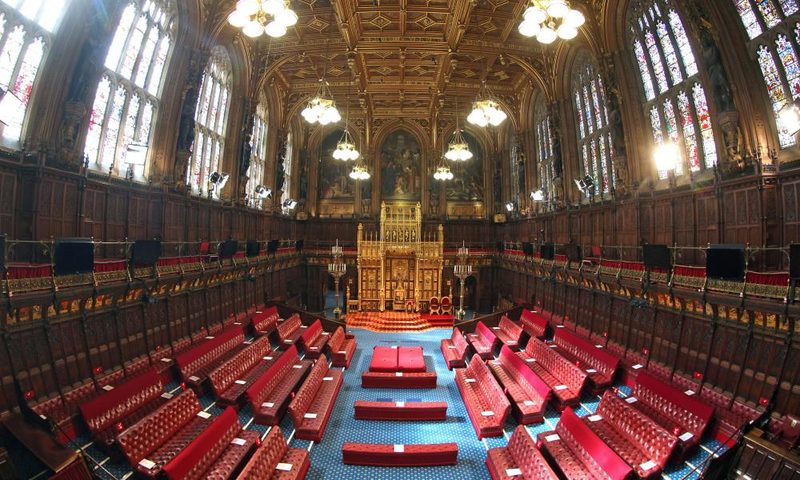
The House of Lords is Britain's unelected upper chamber of appointed peers. This guide explains its composition, powers and the long debate…
Simple explainers on world affairs, science, health and more.
All news under one minute
The House of Lords is Britain's unelected upper chamber of appointed peers. This guide explains its composition, powers and the long debate…
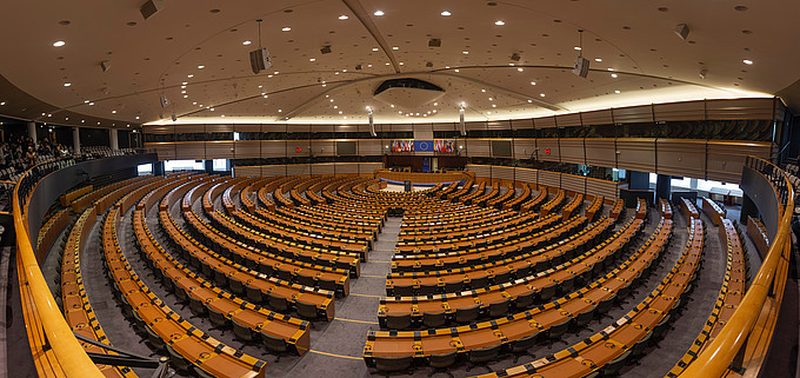
The EU is governed by a unique trio: the Parliament, the Commission and the Council. This guide explains how the three institutions…
China is governed by the Communist Party through a parallel party-state structure. This guide explains the Party, the state machinery and how…
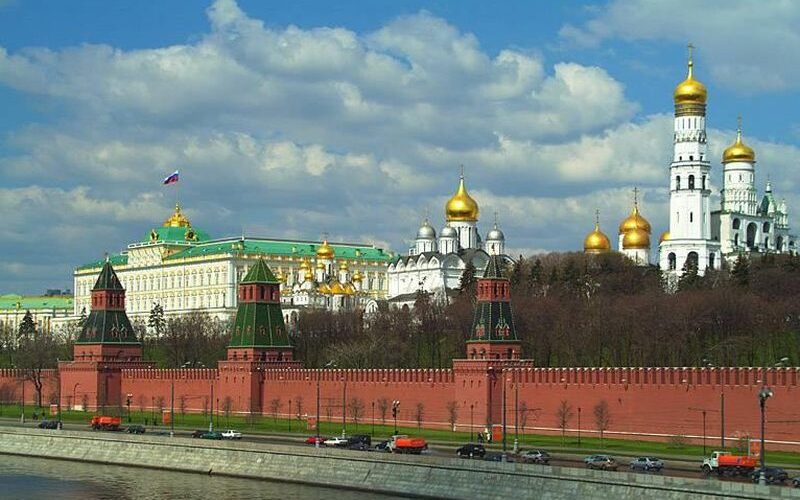
Russia combines a powerful presidency with managed elections. This guide explains the presidency, the Duma and the power vertical behind Russian politics.
France has a powerful elected President plus a Prime Minister answerable to parliament. This guide explains semi-presidentialism and how it differs from…
Most democracies use proportional representation to match seats to votes. This guide explains party lists, electoral thresholds and PR vs first past…
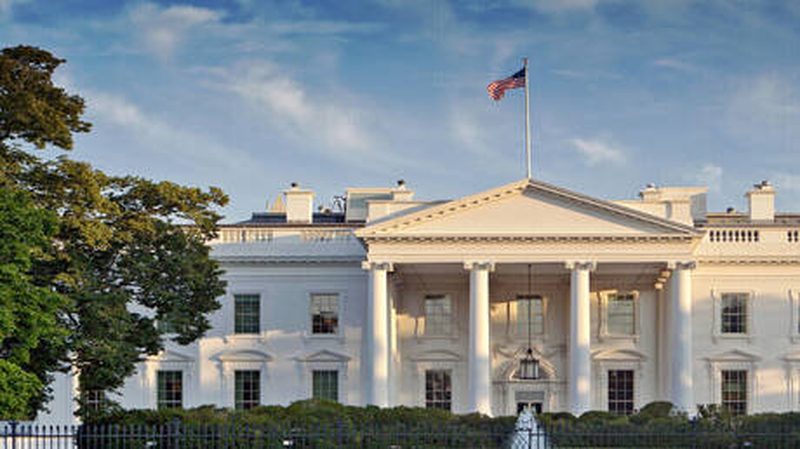
Presidential and parliamentary systems divide power differently. This explains how each works, their strengths and weaknesses, and which suits democracy better.
The Kovind committee's 18,626-page blueprint for simultaneous Lok Sabha and assembly polls - accepted by the Cabinet and now before a 41-member…
Passed unanimously in September 2023, the Nari Shakti Vandan Adhiniyam promises 33% reservation for women in the Lok Sabha and state assemblies…
Rajya Sabha members are not elected by voters but by MLAs, through proportional representation by single transferable vote. This step-by-step explainer breaks…