How Political Parties Win National Party Status in India: The Recognition Rules Explained
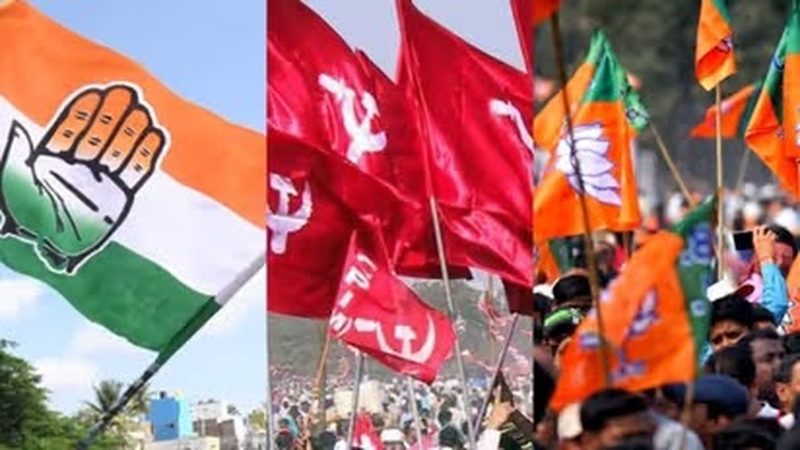
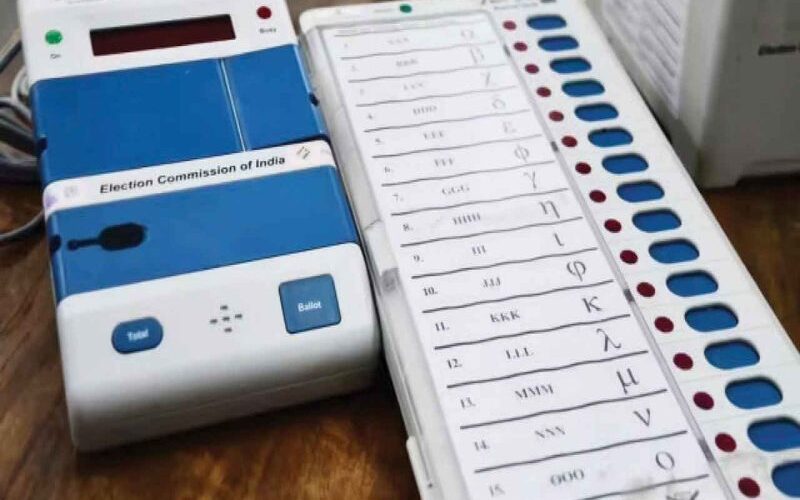
National party status brings a reserved symbol and privileges. This guide explains the Election Commission's recognition rules and which parties qualify.
Simple explainers on world affairs, science, health and more.
All news under one minute
National party status brings a reserved symbol and privileges. This guide explains the Election Commission's recognition rules and which parties qualify.
Election symbols are the visual language of Indian democracy. This explainer covers how parties get their symbols and what happens to them…
Political funding shapes Indian democracy, from electoral bonds to trusts. This guide explains how parties raise money, the 2024 verdict and the…
The RTI Act lets citizens demand answers from the government. This explainer covers how to file requests, what information is exempt and…
The Census counts India's people and redraws its political map. This guide explains delimitation, seat allocation and why the next Census is…
Reserved constituencies guarantee SC and ST representation. This guide explains how reserved seats are chosen, how rotation works and the debate around…
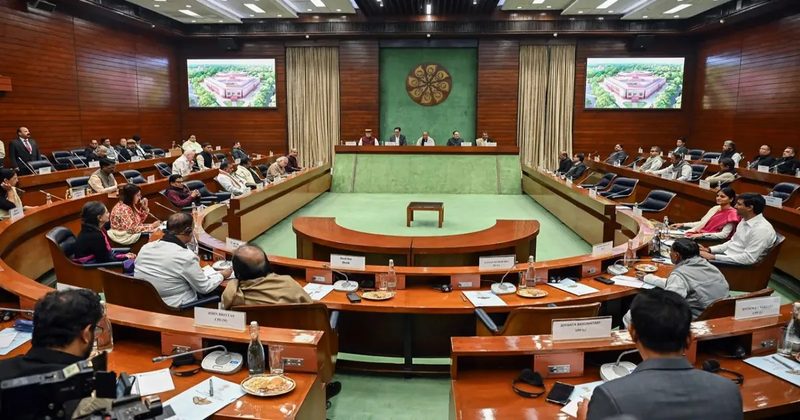
Parliamentary committees scrutinise bills and budgets away from the cameras. This guide explains the standing committees, their powers and their shrinking role.
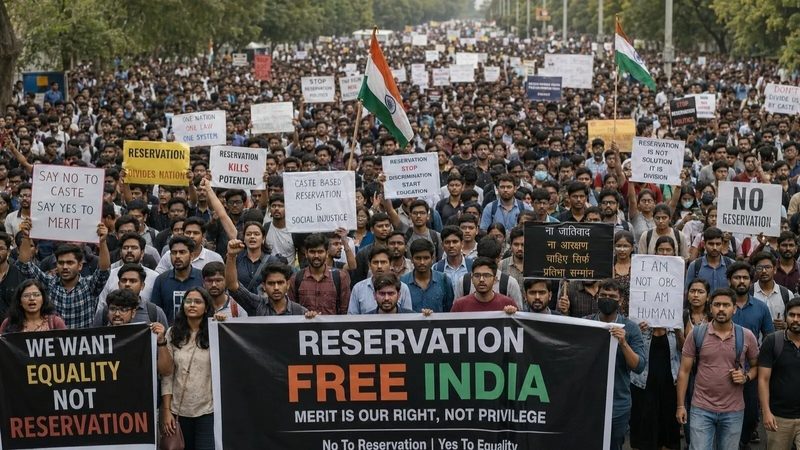
The Mandal Commission's 1980 report brought OBC reservations and transformed Indian politics. This explainer covers its findings, the 1990 backlash and legacy.
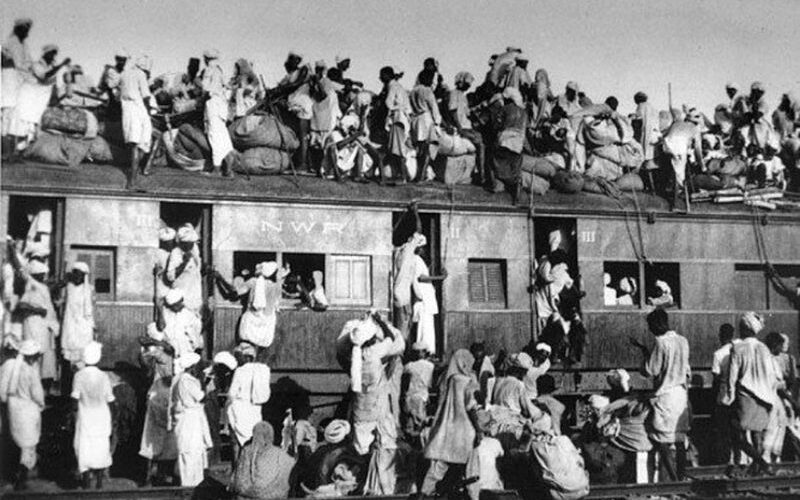
The Partition of 1947 divided British India into two nations amid massive violence. This account traces the political decisions that led to…
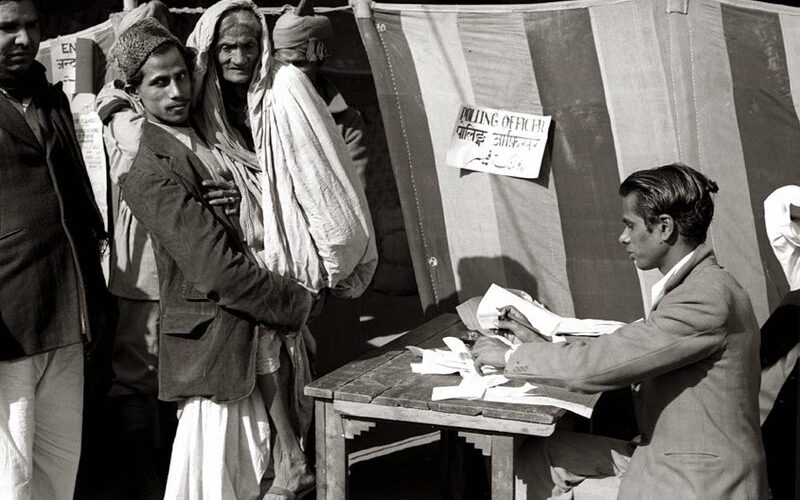
India's first general election in 1951-52 enfranchised 173 million voters. This is the story of how the world's largest democracy held its…