The Great Wall of China: A Traveller’s Guide to the World’s Longest Fortification
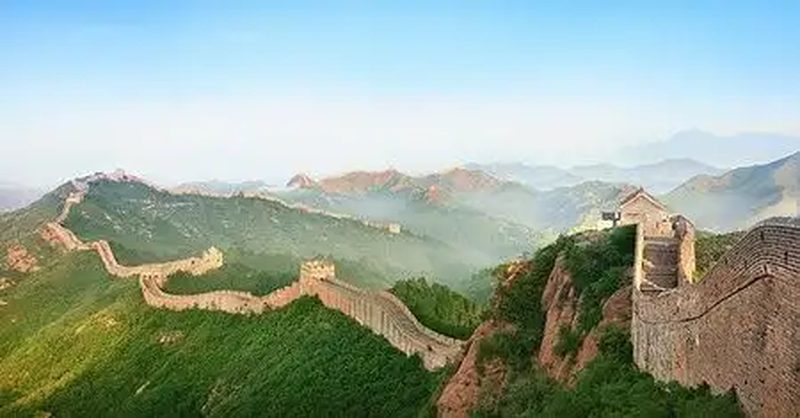
The Great Wall of China is the largest building project in human history: some 21,000 kilometres of walls, trenches and natural barriers built over two millennia, visible, in places, from the mountains of the north. It is China’s great symbol, a UNESCO wonder, and one of the world’s essential journeys. But which section should you visit, what is the wall’s real story, and how do you walk it well? This guide covers it all.
What the Wall really is
Forget the single wall of imagination: the Great Wall is a system built by many dynasties, from the 7th century BCE onward, with most of what tourists see dating to the Ming dynasty (1368-1644). It runs from the sea at Shanhaiguan to the desert at Jiayuguan, with branches, spurs and long-vanished rammed-earth sections. Its purpose was never just defence: it marked the boundary between farming China and the steppe, regulated trade, taxed caravans and projected power. The popular claim that it’s visible from the Moon is a myth; its scale needs no exaggeration.
Why it was built
China’s northern frontier faced nomadic confederations, Xiongnu, Mongols, whose horse archers raided at will. Walls bought security for the agricultural heartland, though their military record is mixed: they slowed raids but never stopped determined invasions, the Mongols and Manchus both conquered China despite the wall. The Ming poured enormous resources into it after expelling the Mongols, employing millions of soldiers, convicts and labourers over two centuries. The wall is as much a monument to anxiety as to engineering.
Which section to visit
Near Beijing, choice defines experience. Badaling is the most famous, fully restored, with cable cars and crowds to match. Mutianyu offers restored wall with fewer people and a toboggan descent. Jinshanling to Simatai is the classic hike: partially restored, spectacular ridges, far fewer visitors. Jiankou is wild and unrestored, thrilling but genuinely dangerous and technically restricted. Further afield, Jiayuguan’s desert fort and Shanhaiguan where the wall meets the sea offer completist rewards. First-timers: Mutianyu or Jinshanling.
Walking the Wall: practical tips
Go on a weekday, arrive at opening time, and wear proper shoes: the steps are steep, uneven and legendarily numerous. Bring water and sun protection; there is little shade. Spring and autumn offer the best weather and colours; winter brings stark beauty and solitude if you brave the cold; summer is hot and busy. Beware unofficial wild wall hikes sold by touts: they can be unsafe and illegal. A private driver beats tour buses for flexibility, and combining the wall with Beijing’s other sights needs at least two days.
The human cost
The wall was built with suffering on a colossal scale. Millions laboured over the centuries; countless died, and legend says their bones lie within it. The Meng Jiangnu folktale, of a wife whose tears collapsed the wall where her husband died building it, captures the popular memory. Modern China celebrates the wall as national spirit; its builders paid in lives. Both truths belong in any honest account.
The Wall today
Only a fraction of the wall is in good condition; much crumbles in remote deserts and mountains, threatened by erosion, theft of bricks and development. Preservation battles pit tourism revenue against authenticity, with botched concrete restorations drawing outrage. Yet the wall’s symbolic power only grows: it anchors Chinese identity, draws 10 million visitors yearly, and remains history’s greatest fortification. Walk it at dawn, alone on a ridge, and the crowds, the myths and the centuries fall away.
Beyond Beijing: the wall’s far frontiers
Adventurous travellers head west: the rammed-earth ruins at Dunhuang, the Hexi Corridor forts, Jiayuguan’s mighty gate where the wall ends in desert. These far sections see few tourists and tell the wall’s story as frontier, not monument. The wall is longest where it is loneliest.
FAQs
How long is the Great Wall? About 21,196 km including all branches, trenches and natural barriers, per China’s official survey.
Can you see it from space? Not with the naked eye from the Moon; astronauts can barely discern it from low orbit. The myth persists anyway.
Which section is best for first-time visitors? Mutianyu for restored beauty with manageable crowds, or Jinshanling for a wilder hiking experience.
The Great Wall is China’s autobiography in stone: its fears, its labour, its genius. Walk a few kilometres of its ridges and you understand the civilisation that built it better than any museum could teach.
Compiled by the Khabar 24h Editorial Desk from publicly available sources.

Khabar 24h Editorial Desk — our explainers are prepared by the Khabar 24h editorial team using AI-assisted research tools, and every piece is reviewed by a human editor before publishing. We do not claim original reporting: our work is turning complex topics into simple, accurate summaries. Spotted an error? Write to contact@khabar24h.com — our corrections policy aims for same-day review.
More from this author →