India vs Pakistan Cricket Rivalry: History, Iconic Matches and Why It Matters
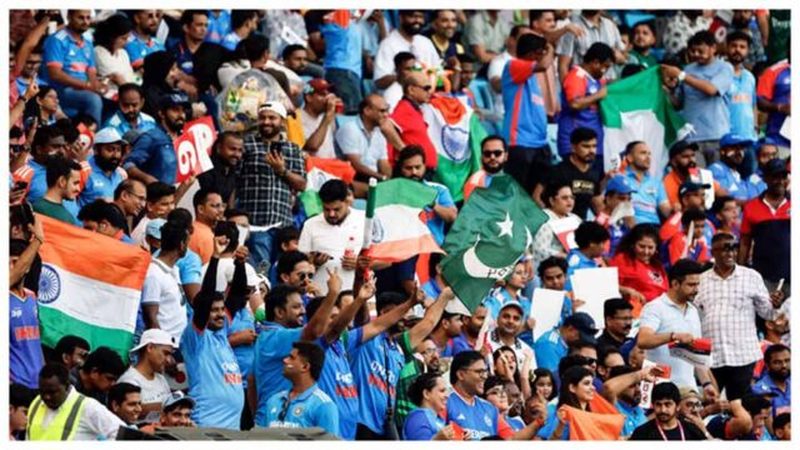
Some sporting rivalries are about trophies. India versus Pakistan is about something far larger: history, identity, politics and the emotions of more than a billion and a half people. When the two teams meet, usually now only in global tournaments, the match becomes one of the most-watched sporting events on the planet, with television audiences in the hundreds of millions. The cricket is often extraordinary, but it is the weight of meaning around it that makes this fixture unique. This guide traces the history of the rivalry, recalls its iconic matches, and explains why it matters so deeply.
Origins: partition, politics and the first contests
The rivalry was born in the trauma of partition in 1947, which divided the subcontinent and created two nations with intertwined histories and unresolved tensions. Cricket, the colonial game both inherited, became one of the few arenas where the relationship played out in public. Pakistan’s first tour of India in 1952-53 began a contest that has always carried political freight: series have been cancelled by wars and diplomatic crises, resumed as instruments of diplomacy, and dubbed cricket diplomacy when leaders used matches as backdrops for peacemaking. For decades, bilateral series were among the most fiercely contested in the sport, played before passionate crowds and in atmospheres of extraordinary intensity. Since the late 2000s, political tensions have meant the teams meet only in ICC tournaments and Asia Cup events, making each encounter rarer and, paradoxically, even bigger.
Iconic matches that defined the rivalry
The rivalry’s folklore is built on matches that have passed into legend. The 1986 Austral-Asia Cup final in Sharjah, when Javed Miandad hit a last-ball six to snatch victory, remains the single most famous moment, a wound and a triumph replayed endlessly on both sides of the border. World Cup encounters carry their own mythology: India’s unbeaten streak against Pakistan in ODI World Cups stretched across decades and became a psychological storyline of its own, until Pakistan’s emphatic ten-wicket victory in the 2021 T20 World Cup rewrote the narrative in a single evening. There have been classic Tests, like the Chennai thriller of 1999, and white-ball epics decided in final overs. What unites them is the pressure: players from both sides describe the India-Pakistan match as unlike any other, a contest where the noise, the expectation and the consequences dwarf even a World Cup final.
Why it matters beyond cricket
The fixture’s significance extends far beyond the boundary rope. It is a commercial juggernaut: broadcasters pay a premium for the guaranteed blockbuster, advertisers build campaigns around it, and the ICC’s tournament structures are designed with the marquee clash in mind. It is a cultural event that stops two nations, with streets emptying and offices pausing. And it is a diplomatic barometer, its presence or absence in the calendar read as a signal of the broader relationship. For the players, it is the ultimate test of temperament, performing when a billion people are watching and when defeat brings a uniquely intense scrutiny. For fans, particularly those too young to remember regular bilateral series, each meeting is a precious, high-voltage occasion precisely because they are so rare.
The rivalry today and tomorrow
Today the rivalry exists in concentrated doses: group-stage and knockout meetings in World Cups, T20 World Cups, Champions Trophy events and the Asia Cup. Every one is a global television event, and the cricket has remained compelling, with both teams producing match-winners capable of deciding these contests. The great unanswered question is whether bilateral series will ever return. Former players from both countries routinely call for it, arguing that the sport’s greatest rivalry deserves a regular stage and that cricket once helped thaw relations. Administrators and governments, however, move to different rhythms. Until that changes, the rivalry will continue to burn brightest in its rarest form: a few hours, once in a while, when the cricket world stops to watch.
- The rivalry dates to Pakistan’s first tour of India in 1952-53, five years after partition.
- Miandad’s last-ball six in Sharjah in 1986 is the rivalry’s most replayed moment.
- The teams have not played a bilateral series since the late 2000s, meeting only in multi-team events.
- India-Pakistan matches routinely draw television audiences in the hundreds of millions.
FAQs
When did India and Pakistan last play a bilateral series? Bilateral series have not been played since the late 2000s amid political tensions; the teams meet only in ICC and Asian Cricket Council tournaments.
What is the most famous India-Pakistan match? The 1986 Austral-Asia Cup final, decided by Javed Miandad’s last-ball six, is the most iconic, alongside India’s long World Cup unbeaten streak.
Why is it called cricket diplomacy? Because matches and tours have repeatedly been used as diplomatic instruments, with leaders meeting on the sidelines of games during thaw periods.
India versus Pakistan is more than a cricket match; it is history, politics and passion compressed into a few hours. That is why the whole sporting world watches.
Compiled by the Khabar 24h Editorial Desk from publicly available sources.

Khabar 24h Editorial Desk — our explainers are prepared by the Khabar 24h editorial team using AI-assisted research tools, and every piece is reviewed by a human editor before publishing. We do not claim original reporting: our work is turning complex topics into simple, accurate summaries. Spotted an error? Write to contact@khabar24h.com — our corrections policy aims for same-day review.
More from this author →