What Is 5G FWA? How Jio and Airtel’s Wireless Home Broadband Works
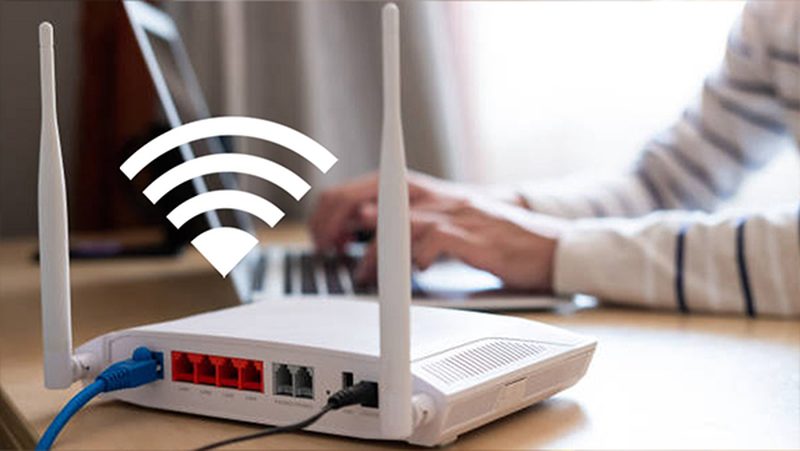
Getting broadband in India traditionally meant waiting for a technician to drill holes and run fibre to your home. JioAirFiber and Airtel Xstream Air offer a different deal: plug in a small device, and high-speed internet arrives over the air using 5G. This is fixed wireless access, or FWA, and it has become one of the fastest-growing ways Indians get online. This guide explains what 5G FWA is, how it works, and whether it can replace a wired fibre connection.
What fixed wireless access means
FWA delivers home broadband over mobile networks instead of cables. A router-like device, called customer premises equipment, receives 5G signal from the nearest tower and broadcasts Wi-Fi through your home, exactly like a fibre router does. The fixed in the name means the device stays in one place, your home, unlike a phone hotspot that travels with you. Operators love FWA because it needs no last-mile digging: where a 5G tower exists, broadband can be sold immediately. For users, the pitch is instant installation, no wiring, and portability within the service area. India has become one of the world’s largest FWA markets within a couple of years of launch.
How JioAirFiber and Xstream Air work
The setup is deliberately simple. Jio’s AirFiber and Airtel’s Xstream Air ship a 5G receiver unit that you place near a window or in the spot with the strongest signal, plus optionally a Wi-Fi extender for larger homes. During installation, the technician’s app measures signal strength to find the best placement. The device connects to the operator’s 5G network, typically on mid-band spectrum for speed, and serves your home over Wi-Fi 6. Plans mirror fibre offerings: speeds from 30 Mbps to 1 Gbps tiers, bundled OTT subscriptions, and pricing competitive with wired broadband. The crucial difference from a mobile hotspot is prioritisation and equipment: FWA devices use high-gain antennas and are provisioned as home broadband, delivering more stable performance than a phone’s hotspot.
FWA versus fibre: an honest comparison
How does wireless broadband stack up against fibre to the home?
- Speed: fibre wins on consistency and top-end tiers; FWA speeds vary with tower load, signal and weather, though mid-band 5G routinely delivers 100 to 300 Mbps.
- Latency: fibre is lower and steadier, which matters for competitive gaming; FWA latency is good but less predictable.
- Installation: FWA wins decisively; same-day setup with no drilling versus days of waiting for fibre.
- Availability: FWA reaches anywhere with 5G coverage, including buildings and areas where fibre has not been laid.
- Reliability: fibre is unaffected by tower congestion; FWA slows during peak hours when the local tower is busy.
- Cost: plans are priced head-to-head, making FWA a genuine alternative rather than a premium.
For streaming, video calls and everyday use, FWA is more than adequate. For competitive gaming or running servers from home, fibre remains superior.
Who should consider FWA
FWA makes most sense in specific situations. Renters who cannot get wiring done, or do not want to, get broadband without landlord negotiations. Homes in areas where fibre has not reached, common in smaller towns and new developments, get high-speed internet years earlier. People who move frequently avoid installation and disconnection hassles. And anyone frustrated by their local fibre provider’s service gets a credible alternative to switch to. It makes least sense where fibre is already installed and working well; there is little reason to replace a good wired connection with a wireless one subject to tower congestion.
The technology getting better
FWA is improving on every axis. Operators are adding spectrum and densifying towers, which directly raises FWA capacity. Newer customer equipment supports Wi-Fi 7 and better antennas. And 5G-Advanced features like improved uplink performance address FWA’s traditional weakness in upload speeds. Globally, FWA has grown into a major broadband category, validating the model. In India, where laying fibre to every home is a decades-long project, FWA may be how hundreds of millions experience high-speed internet first. The cable is disappearing; the broadband is not.
FAQs
Can I take my FWA device to another city? FWA is provisioned for a service area; portability policies vary by operator, so check before moving.
Does FWA work during power cuts? Like any router, it needs electricity. A small UPS keeps it running through short outages.
Is FWA good for work-from-home video calls? Yes. Typical FWA speeds and latency handle video conferencing comfortably; only competitive gamers and streamers should prefer fibre.
Fixed wireless access turns every 5G tower into a broadband provider. For millions of Indian homes beyond the reach of fibre, or simply tired of waiting for it, the little box by the window is the fastest route to fast internet.
Source: TRAI

Khabar 24h Editorial Desk — our explainers are prepared by the Khabar 24h editorial team using AI-assisted research tools, and every piece is reviewed by a human editor before publishing. We do not claim original reporting: our work is turning complex topics into simple, accurate summaries. Spotted an error? Write to contact@khabar24h.com — our corrections policy aims for same-day review.
More from this author →