Kyoto Travel Guide: Temples, Tea Houses and Japan’s Ancient Capital
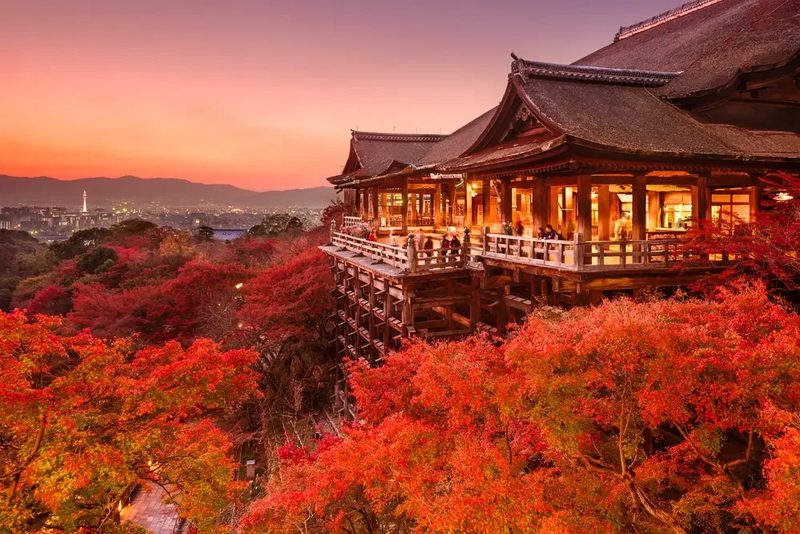
Kyoto was Japan’s capital for over a thousand years, and it shows: 1,600 Buddhist temples, 400 Shinto shrines, seventeen UNESCO World Heritage sites, and streets where geiko still hurry to evening appointments. While Tokyo races into the future, Kyoto preserves Japan’s soul, in Zen gardens, tea houses, and maple-lined lanes. Whether you have three days or a week, this guide covers what to see, when to go, and how to experience the ancient capital properly.
When to visit Kyoto
Kyoto has two legendary seasons: spring’s cherry blossoms, late March to early April, when the Philosopher’s Path becomes a pink tunnel, and autumn’s koyo, mid-November to early December, when maples set temples ablaze in red. Both draw enormous crowds and premium prices. For a calmer trip, try early March, June’s fresh green, or winter, when snow dusts the Golden Pavilion and crowds vanish. Summer is hot, humid and festival-rich, Gion Matsuri in July is spectacular, but exhausting.
The unmissable temples
Start with Kinkaku-ji, the Golden Pavilion, blazing across its pond, then Ryoan-ji’s enigmatic rock garden, Zen minimalism at its purest. Kiyomizu-dera’s wooden stage juts over the hillside with city views. Fushimi Inari’s thousands of vermilion torii gates wind up the mountain in an unforgettable tunnel of red. Sanjusangen-do’s 1,001 golden Kannon statues inspire awe. Go early: the great temples open around 6 am, and the first hour, before the tour buses, belongs to you.
Gion, geiko and the tea houses
Gion, Kyoto’s famous geisha district, geiko in local speech, preserves the world of traditional entertainment: wooden machiya townhouses, lantern-lit lanes, exclusive ochaya tea houses where geiko and maiko entertain. Visitors stroll Hanamikoji Street hoping to glimpse a maiko hurrying to an appointment; remember they are professionals at work, not photo props. For a deeper experience, book a public dance performance, Miyako Odori in spring, or a cultural session with tea ceremony and dance explanations.
Arashiyama and beyond the centre
Western Kyoto offers the Arashiyama bamboo grove, magical at dawn before crowds, the UNESCO-listed Tenryu-ji temple, and the scenic Hozugawa river boat ride. Nearby, the moss temple Saiho-ji requires advance reservation but rewards with an otherworldly garden. Northern Kyoto holds the contemplative calm of Daitoku-ji’s sub-temples. Southern Kyoto pairs Fushimi Inari with sake breweries. Each district has its own character; Kyoto rewards those who venture beyond the central cluster.
Eating and drinking in Kyoto
Kyoto’s cuisine is Japan’s most refined: kaiseki, the multi-course haute cuisine, at its birthplace; yudofu tofu near Nanzen-ji; matcha everything in Uji; Nishiki Market’s 400 years of food stalls. For atmosphere, Pontocho Alley lines the river with restaurants on wooden terraces. Budget travellers eat superbly at kissaten coffeehouses and ramen shops. And don’t miss a tea house experience: the Way of Tea was perfected here, and a formal ceremony in a machiya is Kyoto in a bowl.
Practical tips
Kyoto is compact but poorly served by subway; buses and rental bicycles are your friends, and many sights connect by pleasant walks. Buy temple combination tickets where offered, carry cash for small establishments, and learn basic etiquette: bow, remove shoes where required, never stick chopsticks upright in rice. Stay in a machiya guesthouse for atmosphere or near Kyoto Station for convenience. Three full days covers the highlights; five lets you breathe.
Day trips from Kyoto
Kyoto is the perfect base: Nara’s great Buddha and tame deer are 45 minutes away, Uji’s tea houses and Byodo-in temple even closer, and Osaka’s neon food scene makes an easy evening trip. Himeji’s magnificent castle is a longer but rewarding journey. Few cities offer so much within an hour’s train ride; plan at least one escape from the temples.
FAQs
How many days do you need in Kyoto? Three full days for the highlights; five to seven to explore deeply and take day trips to Nara or Uji.
What is the best time to visit? Late March to early April for cherry blossoms, or mid-November to early December for autumn colours.
Can tourists see geisha? You may glimpse geiko in Gion, but proper encounters require booking performances or private ozashiki entertainment.
Kyoto is Japan’s memory palace: every temple garden, tea bowl and lantern-lit lane holds a thousand years. Go slowly, go early, and let the ancient capital set the pace.
Source: Japan National Tourism Organization

Khabar 24h Editorial Desk — our explainers are prepared by the Khabar 24h editorial team using AI-assisted research tools, and every piece is reviewed by a human editor before publishing. We do not claim original reporting: our work is turning complex topics into simple, accurate summaries. Spotted an error? Write to contact@khabar24h.com — our corrections policy aims for same-day review.
More from this author →