Cricket Ball Tampering Rules Explained: What Is Allowed and What Is Not
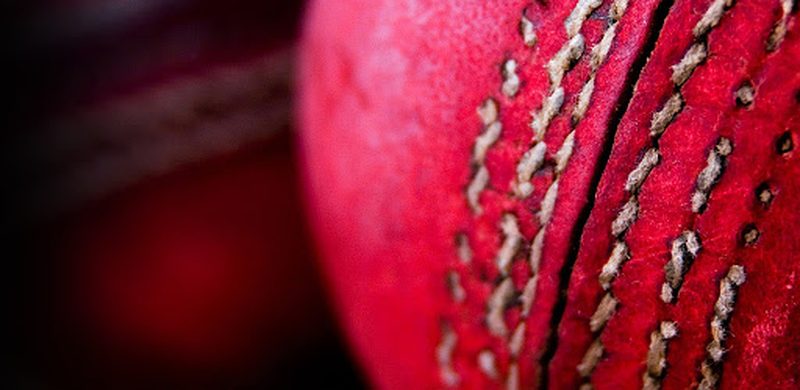
Few controversies in cricket burn as fiercely as ball tampering: the accusation that a team has illegally altered the condition of the ball to gain an advantage. It has ended captaincies, triggered cultural reviews of national teams, and produced some of the most heated debates in the sport’s history. Yet the line between legitimate ball maintenance and cheating is genuinely subtle, and many fans are unsure where it lies. This guide explains what the laws allow, what they forbid, how tampering is detected and punished, and why the condition of the ball matters so much in the first place.
Why the ball’s condition matters
A cricket ball is not a static object; it is a deteriorating one, and its deterioration is central to the game’s strategy. A new, hard, shiny ball swings and seams; as it softens and roughens, it swings less but can reverse-swing if one side is kept smooth; when it gets very soft, batting becomes easier. Managing this lifecycle is a legitimate and crucial skill: fielding sides polish one side on their clothing to maintain the shine differential, throw the ball in on the bounce to rough it evenly, and choose when to take the new ball based on its condition. Because the ball’s state so directly affects what bowlers can do, any artificial interference with it strikes at the game’s fairness. The laws therefore draw a careful line between natural wear, diligent legal maintenance, and deliberate damage.
What is allowed: polishing and natural wear
The laws permit fielders to polish the ball, provided no artificial substance is used. Players may rub the ball on their clothing, which is why you see fielders endlessly shining one side on their trousers, and they may dry a wet ball with a towel. They may also remove mud from the ball under umpire supervision. Sweat was traditionally used to polish the ball, though the use of saliva was prohibited in the wake of the pandemic and the ban was made permanent, a change that swing bowlers have debated ever since. What matters legally is the distinction between maintaining the ball’s condition through permitted means and altering it through unnatural ones. Throwing the ball in on the bounce, letting it naturally scuff on the outfield, and even the selective polishing of one side are all within the laws, because they use only the ball’s interaction with legitimate surfaces.
What is forbidden: tampering and its punishments
Ball tampering is defined as unfairly changing the condition of the ball, and the forbidden list is specific: scratching the surface with fingernails or any implement, rubbing it on the ground deliberately, applying any artificial substance including lip balm or sugary sweets residue, and interfering with the seam’s stitching. Detection relies on umpires, who inspect the ball regularly and can change it if they believe tampering has occurred, and on television cameras, which have caught several infamous incidents. The punishments are severe. Under the ICC code, tampering is a Level 2 offence carrying suspensions, and the most notorious recent case saw a captain and senior players banned for a year and the team’s culture publicly dissected. Beyond formal sanctions, the reputational damage is immense: tampering is treated not as gamesmanship but as cheating, plain and simple.
The grey areas and famous controversies
Between clear polishing and clear tampering lies territory that has fuelled decades of argument. Is it legitimate to bounce the ball in from the boundary harder than necessary to scuff it? What about a fielder with particularly abrasive trousers, or the strategic use of sugary saliva before the ban? Different eras have answered differently, and the game’s authorities have progressively tightened both the laws and their enforcement. The most famous controversies share a pattern: television footage of a fielder appearing to work on the ball with something in their hand, followed by denials, investigations and sanctions. Each episode prompts the same debate about where competitive ball management ends and cheating begins. The current consensus among officials is strict: if it is not polishing on clothing or natural wear, do not do it.
- Allowed: polishing on clothing, drying with a towel, removing mud under supervision, natural wear from play.
- Forbidden: scratching with nails or objects, applying artificial substances, picking at the seam, deliberate scuffing.
- Saliva on the ball is now permanently banned; sweat remains permitted.
- Umpires can change the ball and award penalty runs if they judge tampering has occurred.
FAQs
Is shining one side of the ball legal? Yes. Maintaining the shine differential by polishing on clothing is a legitimate skill and central to swing bowling.
What happens if a team is caught tampering? Umpires change the ball, award five penalty runs to the batting side, and report the players, who face suspension under the code of conduct.
Why was saliva banned? The ban began as a health measure during the pandemic and was retained permanently, forcing bowlers to rely on sweat and clothing for shine.
The ball is cricket’s most contested object, and the laws around it protect the contest itself. Shine it, swing it, treasure it, but never, ever scratch it.
Compiled by the Khabar 24h Editorial Desk from publicly available sources.

Khabar 24h Editorial Desk — our explainers are prepared by the Khabar 24h editorial team using AI-assisted research tools, and every piece is reviewed by a human editor before publishing. We do not claim original reporting: our work is turning complex topics into simple, accurate summaries. Spotted an error? Write to contact@khabar24h.com — our corrections policy aims for same-day review.
More from this author →