What is AI precision farming? India’s climate plan, explained
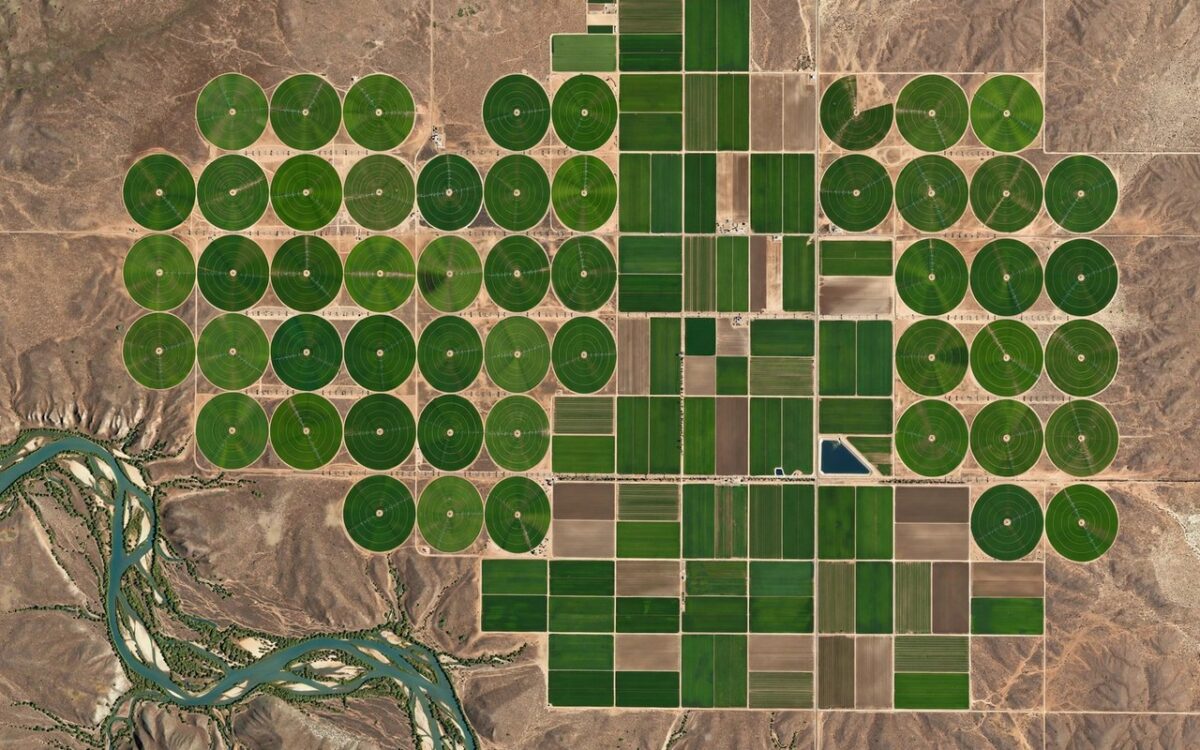
India is turning to AI-powered precision farming to protect farmers from climate risk. Here is how it works.
Precision farming uses data to treat each part of a field differently. Instead of watering or spraying a whole farm the same way, farmers target only what needs it.
AI systems study soil conditions, weather, satellite images and crop health. They then advise farmers on when to irrigate, how much fertiliser to use and when pests may strike.
Drones and satellites supply the images. Machine learning models turn them into simple phone alerts for farmers.
NITI Aayog data shows pilots cut pesticide and water use by 60 to 80 percent in some cases. Farmers saved about Rs 3,600 per acre on pest control.
The focus is on small farmers. They face the biggest losses from droughts, floods and erratic rain but have the least money to adapt.
Google has also backed climate-smart rice farming in India through Mitti Labs. Satellite radar maps individual smallholder plots for crop health and flooding. The partnership aims to cut methane from rice fields and save irrigation water.
Related stories
View all →
Bitcoin’s $83,000 rebound explained
Why bitcoin bounced above $83,000: Trump's Iran statement, ETF outflows, and the key levels traders watch.

Starlink Mobile explained: SpaceX’s carrier play
How SpaceX's 800 MHz spectrum deal and 15,000 new satellites could turn Starlink Mobile into a US carrier.

El Nino explained: why Maharashtra is parched
What El Nino is, how it weakens the monsoon, and why it left Maharashtra declaring drought in 265 talukas.

Khabar 24h Editorial Desk — our explainers are prepared by the Khabar 24h editorial team using AI-assisted research tools, and every piece is reviewed by a human editor before publishing. We do not claim original reporting: our work is turning complex topics into simple, accurate summaries. Spotted an error? Write to contact@khabar24h.com — our corrections policy aims for same-day review.
More from this author →
Leave a Reply