Optogenetics explained: light switches for brain cells
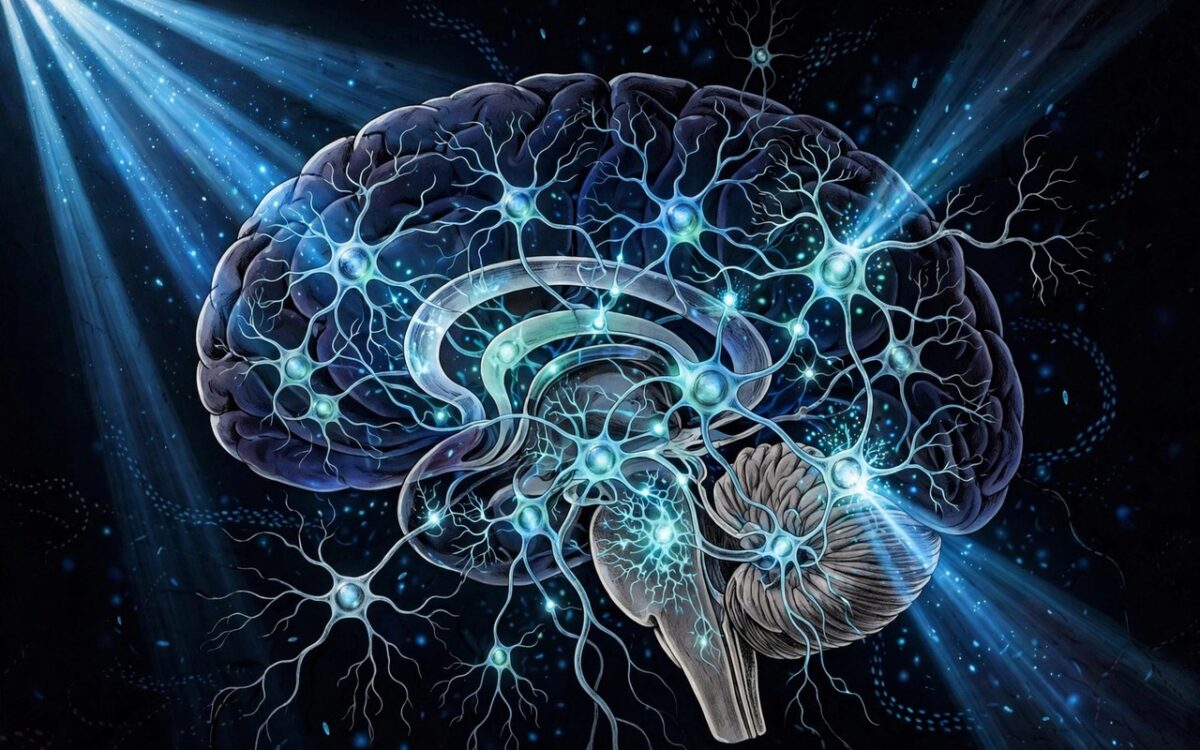
The 2026 Nobel Prize in Physiology or Medicine honoured optogenetics, a technology that lets scientists control brain cells with flashes of light.
The method works by inserting genes for light-sensitive proteins into specific neurons. When researchers shine light of a particular colour, those neurons switch on or off. The proteins come from algae and other microbes that naturally respond to light.
Optogenetics has changed brain research. Scientists can now test exactly which brain circuits control movement, memory, mood and sleep. The precision is far greater than older methods such as electrodes or drugs.
The technique is also guiding future treatments. Researchers are testing light-based therapies for blindness, Parkinson’s disease and depression. Human trials remain early, but animal studies show strong promise. The 2026 prize recognised work that began in the early 2000s, when scientists first showed that light-sensitive proteins could switch neurons on and off in living animals.
Context: optogenetics grew from work in the early 2000s and is now a standard tool in neuroscience labs worldwide.
Related stories
View all →
Bitcoin’s $83,000 rebound explained
Why bitcoin bounced above $83,000: Trump's Iran statement, ETF outflows, and the key levels traders watch.

Starlink Mobile explained: SpaceX’s carrier play
How SpaceX's 800 MHz spectrum deal and 15,000 new satellites could turn Starlink Mobile into a US carrier.

El Nino explained: why Maharashtra is parched
What El Nino is, how it weakens the monsoon, and why it left Maharashtra declaring drought in 265 talukas.

Khabar 24h Editorial Desk — our explainers are prepared by the Khabar 24h editorial team using AI-assisted research tools, and every piece is reviewed by a human editor before publishing. We do not claim original reporting: our work is turning complex topics into simple, accurate summaries. Spotted an error? Write to contact@khabar24h.com — our corrections policy aims for same-day review.
More from this author →
Leave a Reply