Patriot missiles explained: how the air defence system works
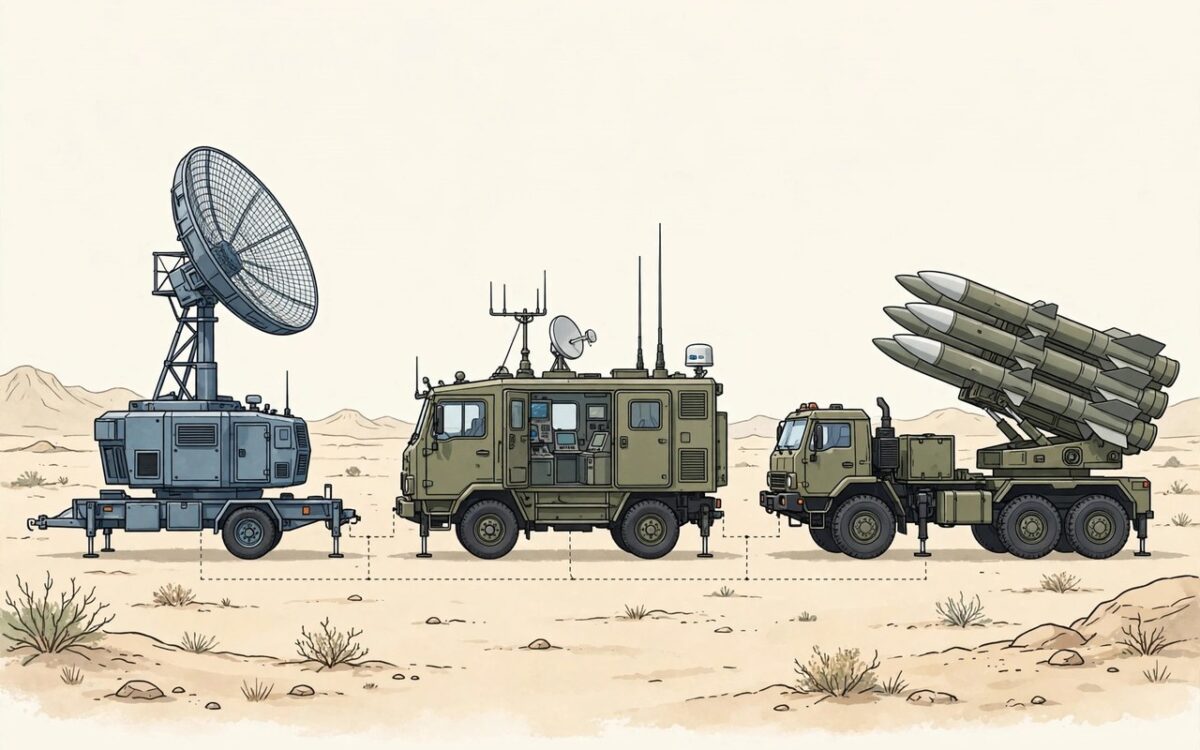
The Patriot is a surface-to-air missile system used to shoot down aircraft, cruise missiles and ballistic missiles.
A Patriot battery has four main parts. A radar finds and tracks targets. A control station plans the intercept. Launchers hold the missiles. A power unit keeps everything running.
The radar scans the sky and locks onto a threat. The control station calculates where the missile and the threat will meet. A Patriot interceptor then launches and destroys the target in mid-air.
Newer PAC-3 interceptors hit the target directly instead of exploding nearby. This hit-to-kill design works better against fast ballistic missiles.
One battery can guard a wide area, but not a whole country. Governments often move batteries to protect key sites such as airports, oil plants and military bases.
The system is in demand. Recent wars have shown how quickly interceptors are used up. Experts say producing enough missiles is now a major challenge.
Related stories
View all →
Bitcoin’s $83,000 rebound explained
Why bitcoin bounced above $83,000: Trump's Iran statement, ETF outflows, and the key levels traders watch.

Starlink Mobile explained: SpaceX’s carrier play
How SpaceX's 800 MHz spectrum deal and 15,000 new satellites could turn Starlink Mobile into a US carrier.

El Nino explained: why Maharashtra is parched
What El Nino is, how it weakens the monsoon, and why it left Maharashtra declaring drought in 265 talukas.

Khabar 24h Editorial Desk — our explainers are prepared by the Khabar 24h editorial team using AI-assisted research tools, and every piece is reviewed by a human editor before publishing. We do not claim original reporting: our work is turning complex topics into simple, accurate summaries. Spotted an error? Write to contact@khabar24h.com — our corrections policy aims for same-day review.
More from this author →
Leave a Reply