Ebola Bundibugyo strain explained: how it spreads, symptoms
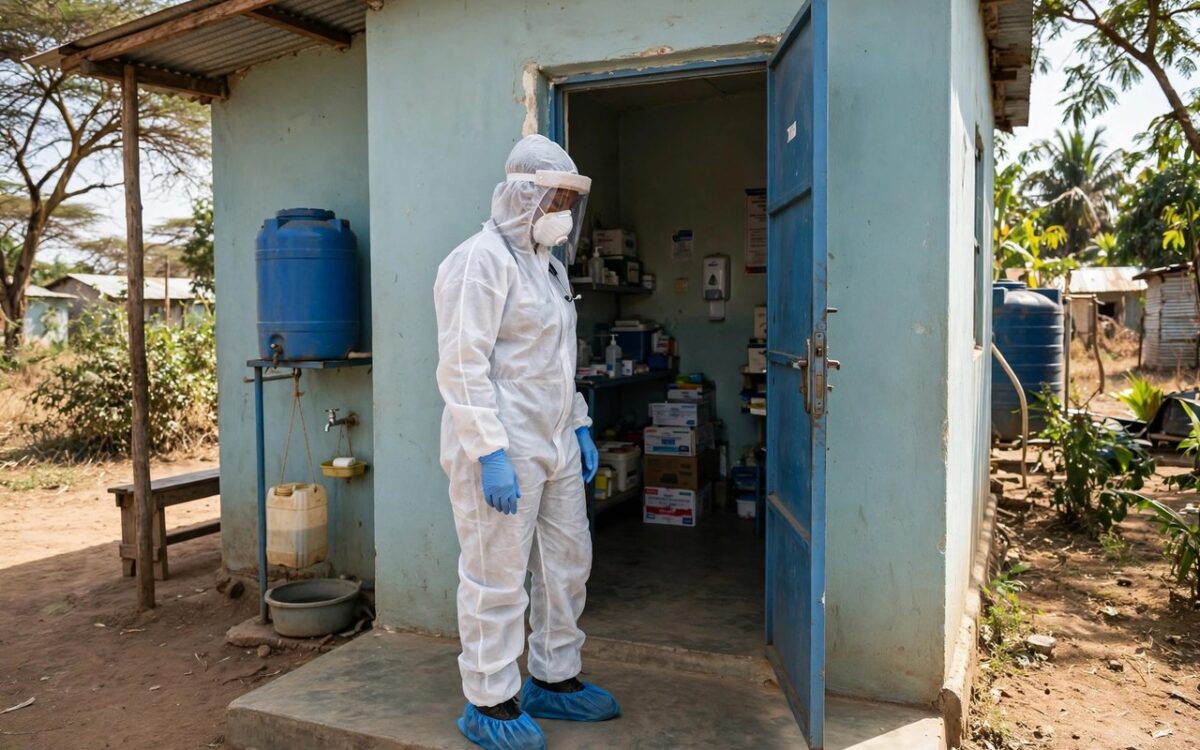
Kenya's first imported Ebola case has put the spotlight on the Bundibugyo strain of the virus. Here is what is known about this rare and dangerous pathogen.
The Bundibugyo strain is one of six known Ebola virus species. It spreads through direct contact with the bodily fluids of infected people, living or dead. It does not spread through the air.
Symptoms include fever, chills, severe fatigue, muscle pain, sore throat and bleeding under the skin. The Kenya patient, who had fallen ill in the DRC, showed these signs before testing positive at two Nairobi laboratories.
There is currently no approved vaccine or specific treatment for the Bundibugyo strain. Patients receive supportive care, and contacts are monitored for 21 days.
The DRC outbreak, declared in mid-May, has recorded more than 8,000 cases and over 4,000 deaths. Uganda was declared free of the disease in August after reporting 20 cases.
Health experts advise anyone with a fever who has recently travelled to affected regions to seek medical care early and mention their travel history. Kenya's health ministry said quarantine arrangements for those at risk are under way to protect the public.
Related stories
View all →
Bitcoin’s $83,000 rebound explained
Why bitcoin bounced above $83,000: Trump's Iran statement, ETF outflows, and the key levels traders watch.

Starlink Mobile explained: SpaceX’s carrier play
How SpaceX's 800 MHz spectrum deal and 15,000 new satellites could turn Starlink Mobile into a US carrier.

El Nino explained: why Maharashtra is parched
What El Nino is, how it weakens the monsoon, and why it left Maharashtra declaring drought in 265 talukas.

Khabar 24h Editorial Desk — our explainers are prepared by the Khabar 24h editorial team using AI-assisted research tools, and every piece is reviewed by a human editor before publishing. We do not claim original reporting: our work is turning complex topics into simple, accurate summaries. Spotted an error? Write to contact@khabar24h.com — our corrections policy aims for same-day review.
More from this author →
Leave a Reply