How Fast Charging Works: Watts, Heat and Battery Health Explained
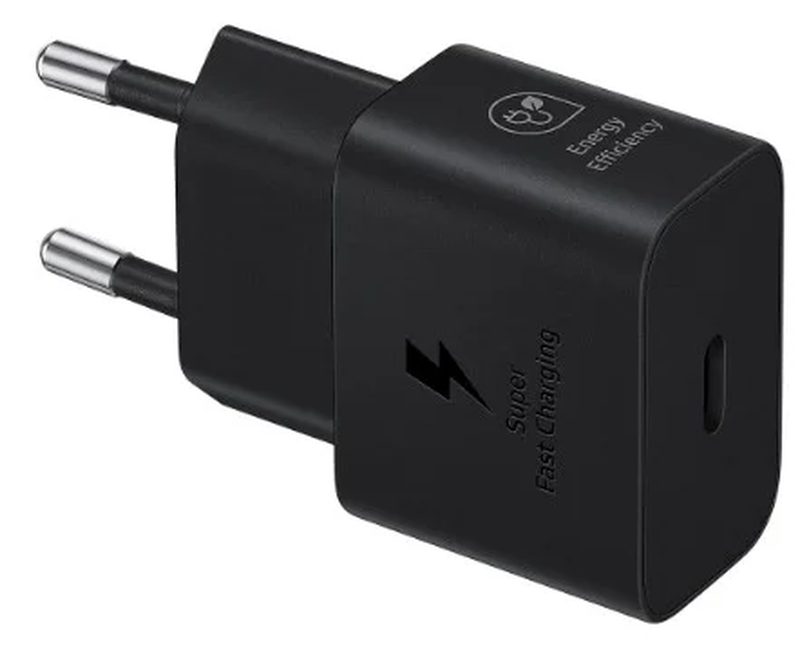
Not long ago, charging a phone took two hours. Today, phones advertise 67W, 100W, even 240W charging that promises a full battery in under ten minutes. The numbers keep climbing, and so do the questions: what do watts actually mean, why does the phone get hot, and is all this speed secretly destroying the battery? This guide explains how fast charging works, what the specifications really tell you, and how to use the speed without paying for it in battery lifespan.
What watts actually mean
Charging power is measured in watts, which is simply voltage multiplied by current. A 25W charger might deliver 5 volts at 5 amps; a 100W charger might deliver 20 volts at 5 amps. Higher wattage means more energy pushed into the battery per second, hence faster charging. But the headline number is a peak, not a constant. Charging follows a curve: power ramps up quickly when the battery is empty, holds near the peak through the middle of the charge, then tapers off sharply above 80 per cent to protect the cells. That is why a phone can hit 50 per cent in ten minutes but needs another twenty for the last stretch. Comparing only peak watts is like comparing cars by top speed while ignoring acceleration curves.
How phones handle the heat and the current
Pushing 100W into a small battery is an engineering challenge, and manufacturers use clever tricks. Dual-cell designs split the battery into two cells charged in parallel, halving the current each cell must handle. Charge pumps convert high voltage from the charger down to battery voltage efficiently, reducing waste heat. Graphene and vapour-chamber cooling spread heat away from the cells. And sophisticated battery management systems monitor the temperature of individual cells hundreds of times per second, throttling speed the moment things get too warm. This is also why fast charging needs the manufacturer’s own charger and cable: the phone and brick negotiate voltage, current and thermal limits over protocols like USB Power Delivery or proprietary standards, and a mismatched charger simply falls back to slower, safer speeds.
Why heat is the real enemy
The fundamental trade-off of fast charging is heat. High currents warm the battery, and heat accelerates the chemical degradation that permanently reduces capacity. This is physics, not a design flaw, though good design minimises it. The relationship is not linear: charging at 100W does not destroy a battery five times faster than 20W, because the battery management system caps temperatures and much of the extra heat is engineered away. Still, studies consistently show that exclusive fast charging ages batteries faster than gentle charging. The practical implication is about routine, not emergencies: using blazing speeds occasionally is harmless, but making it your twice-daily habit for two years will cost you noticeable capacity.
Using fast charging wisely
You can have the speed without most of the cost.
- Use fast charging when you need it: before heading out, during a coffee break. Use slow charging overnight.
- Keep the phone cool while it fast-charges: take off thick cases and keep it out of sunlight.
- Do not game or shoot 4K video during fast charging; the combined heat of processor and charging is the worst case.
- Charge in the 20 to 80 per cent window for daily top-ups; the taper above 80 per cent is slow and stressful anyway.
- Use the manufacturer’s charger or a certified equivalent; cheap no-name bricks may lack proper thermal negotiation.
- Enable any battery-protection features, such as charge limits or adaptive charging, in settings.
Think of fast charging like a sports car’s top speed: wonderful to have, unwise to use constantly.
Where charging technology is heading
The wattage race is slowing as physics and practicality assert themselves; the difference between 100W and 240W matters less than better thermal design and smarter software. The more interesting frontiers are elsewhere. Silicon-carbon batteries, already appearing in some phones, store more energy in the same space and tolerate faster charging with less degradation. Wireless charging speeds are climbing. And industry standards are converging around USB Power Delivery, meaning one good charger may soon fast-charge your phone, laptop and earbuds alike. The future of charging is less about bigger numbers and more about batteries that accept speed gracefully.
FAQs
Will using a faster charger damage my phone? No. The phone only draws what it can handle; a 100W brick charging a 25W phone simply delivers 25W. Damage comes from heat during sustained fast charging, not from the charger’s rating.
Why does my phone charge slowly with some cables? Cables have current ratings too. A thin cable bundled with earphones may cap charging at low speeds; use a cable rated for your charger’s wattage.
Is wireless charging slower and hotter? Generally yes: less efficient energy transfer means more heat for the same speed. It is convenient but not the kindest daily charging method for battery health.
Fast charging is one of the great everyday conveniences of modern phones, and understanding the curve, the heat and the habits lets you enjoy the speed while keeping your battery healthy for years. Watts are a tool; like any tool, they reward the user who knows how they work.
Compiled by the Khabar 24h Editorial Desk from publicly available sources.

Khabar 24h Editorial Desk — our explainers are prepared by the Khabar 24h editorial team using AI-assisted research tools, and every piece is reviewed by a human editor before publishing. We do not claim original reporting: our work is turning complex topics into simple, accurate summaries. Spotted an error? Write to contact@khabar24h.com — our corrections policy aims for same-day review.
More from this author →