Low bone density linked to faster brain decline, study finds
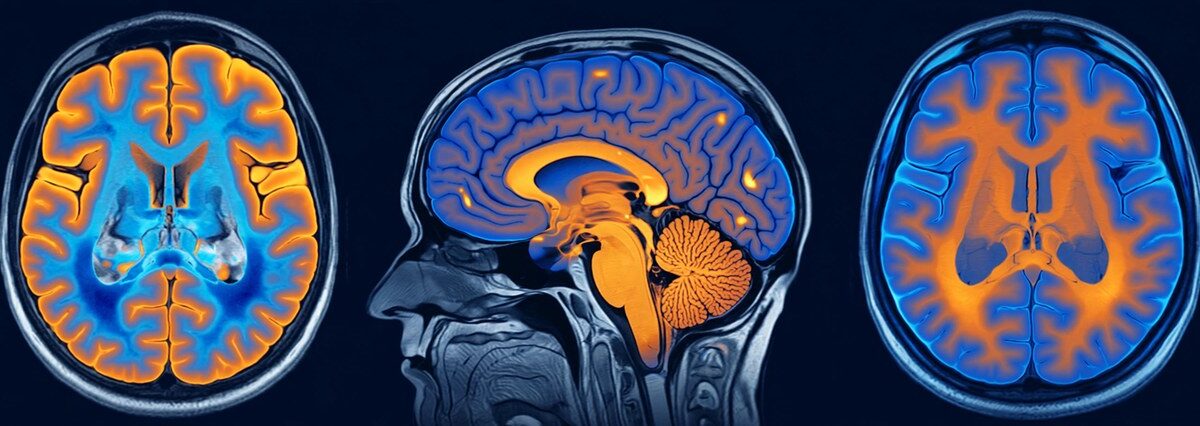
Lower bone density in the spine is associated with faster cognitive decline and changes in brain white matter, especially in people with diabetes, a new longitudinal analysis showed.
Researchers used a deep learning model to assess clinical imaging data from 715 older adults, median age 69, who had chest CT scans, brain MRIs and cognitive testing. The study was published September 22 in the journal Radiology, Medscape reported.
Lower vertebral bone mineral density was linked to faster decline in global cognition over about five years. It was also tied to faster accumulation of white matter hyperintensities, bright spots of damaged white matter, in the corpus callosum, which handles executive function, working memory and attention.
“This comprehensive study sends a clear signal that bone density at baseline is associated with both functional and imaging measures of age-related brain degeneration,” said investigator Shadpour Demehri of Johns Hopkins University.
The researchers stressed the study does not prove that weak bones cause dementia. It points to common underlying factors that may damage both bone and brain.

Khabar 24h Editorial Desk — our explainers are prepared by the Khabar 24h editorial team using AI-assisted research tools, and every piece is reviewed by a human editor before publishing. We do not claim original reporting: our work is turning complex topics into simple, accurate summaries. Spotted an error? Write to contact@khabar24h.com — our corrections policy aims for same-day review.
More from this author →
Leave a Reply