India’s Chess Boom: From Viswanathan Anand to the New Generation of Grandmasters
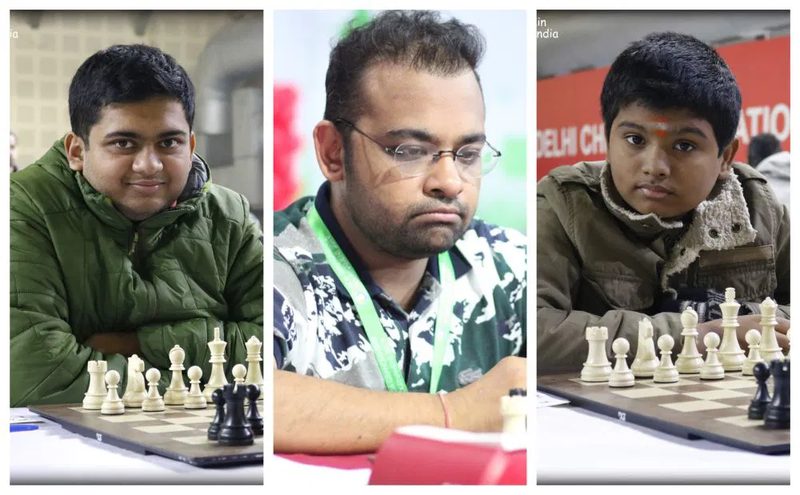
India was a chess backwater when Viswanathan Anand became a grandmaster in 1988. Today it is a superpower: home to over eighty grandmasters, teenage prodigies who headline global tournaments, and a women’s squad that wins Olympiad medals. The transformation, sparked by one man’s genius and accelerated by the internet age, is among the most remarkable stories in modern sport. This is how India’s chess boom happened and where it goes next.
How did Viswanathan Anand change Indian chess?
Viswanathan Anand did for Indian chess what no infrastructure programme could: he made it imaginable. The boy from Chennai who played lightning-fast chess, earning the nickname the Tiger of Madras, became India’s first grandmaster in 1988 and then climbed to the very summit: World Champion in 2000, and undisputed champion from 2007 to 2013 after winning the unified title in Mexico City. Anand defended his crown against Kramnik, Topalov and Gelfand, dominating an era. His success proved that an Indian could master a game long dominated by the Soviet school, and his fame brought sponsors, media coverage and, crucially, belief. Every Indian grandmaster under forty grew up wanting to be Anand.
What sparked the prodigy generation?
Several forces converged. Anand’s academies and mentorship, including his role in training initiatives, gave young talent a pathway. The internet revolutionised learning: where Anand’s generation studied with books and scarce coaches, the new generation trains with engines, databases and online coaching from childhood. Tournaments multiplied across India, offering norm opportunities without expensive foreign travel. And the pandemic’s online chess boom, streamed by charismatic creators, made chess culturally cool among Indian teenagers. The result was an assembly line of prodigies: Praggnanandhaa, Gukesh, Arjun Erigaisi, Nihal Sarin and others, breaking youngest-ever records and storming the world elite while still in their teens.
Who are the stars of the new generation?
The depth is staggering. R Praggnanandhaa announced himself by beating Magnus Carlsen and reaching the World Cup final in 2023. D Gukesh became the youngest world championship challenger in history and then the youngest undisputed World Champion, winning the title in 2024 at just 18 and fulfilling the prophecy Anand’s era had inspired. Arjun Erigaisi crossed 2800, joining the game’s most exclusive club. Behind them stand dozens more: Nihal Sarin, Raunak Sadhwani, Leon Mendonca and a women’s contingent led by Koneru Humpy, Harika Dronavalli, Vaishali Rameshbabu and Divya Deshmukh. India fields not just stars but squads, the hallmark of a true chess power.
How did India perform at the Chess Olympiad?
The Chess Olympiad, the biennial team world championship, became the showcase of India’s rise. Hosting the 2022 Olympiad in Chennai was a landmark: India fielded multiple teams and the open section won bronze. Then came the breakthrough: at the 2024 Budapest Olympiad, India won gold in both the open and women’s sections, a historic double that announced the country’s arrival as the world’s leading chess nation. The victories were celebrated nationally, with the young champions received like cricket stars. For a country that once struggled to field one competitive team, double gold was the ultimate validation of the boom.
What drives the boom at the grassroots?
The base of the pyramid is as impressive as its peak. Chess in Schools programmes have introduced the game to millions of children, and India’s vast network of weekend tournaments gives young players constant competition. Parents, seeing chess as an intellectual pursuit that complements academics, support it enthusiastically. State associations in Tamil Nadu, Maharashtra, Gujarat and elsewhere run structured coaching. Online platforms host millions of Indian users, and Indian chess streamers command huge audiences. The economics have improved too: top juniors attract sponsors, and professional chess is now a viable career, not just a hobby for the privileged.
What challenges remain?
Success brings its own pressures. The prodigy pipeline needs mental-health support as teenagers handle fame, expectations and brutal competition. Funding remains uneven: stars are well supported, but the layer below, the 2400-rated players chasing norms, often struggles financially. Cheating concerns in online and hybrid events require constant vigilance. And the ultimate challenge is sustaining dominance: the Soviet school’s lesson is that systems, not just talents, win across generations. India must keep building coaches, arbiters and tournaments, not just celebrating champions.
FAQs
When did Viswanathan Anand become world champion? Anand first won the FIDE world title in 2000 and became undisputed World Champion in 2007, defending the crown until 2013.
Who is India’s youngest world chess champion? D Gukesh, who won the World Chess Championship in 2024 at the age of 18, the youngest undisputed champion in history.
How many grandmasters does India have? India has produced over eighty grandmasters, a number that continues to grow rapidly.
From one grandmaster in 1988 to double Olympiad gold in 2024, India’s chess boom is the story of a genius who lit the fuse and a generation that became the explosion. The tiger’s cubs now rule the jungle.
Source: All India Chess Federation

Khabar 24h Editorial Desk — our explainers are prepared by the Khabar 24h editorial team using AI-assisted research tools, and every piece is reviewed by a human editor before publishing. We do not claim original reporting: our work is turning complex topics into simple, accurate summaries. Spotted an error? Write to contact@khabar24h.com — our corrections policy aims for same-day review.
More from this author →