Foreign Aid Explained: Who Gives, Who Gets and Whether It Works
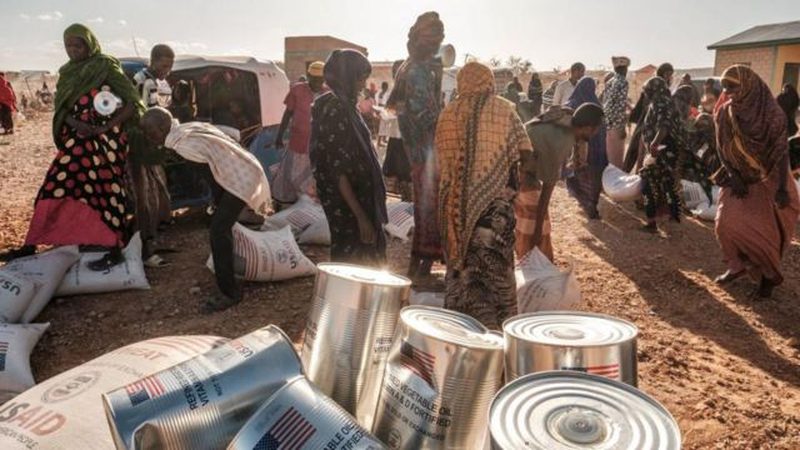
Every year, wealthy nations transfer over 200 billion dollars to poorer ones as official development assistance, funding vaccines, schools, roads and emergency relief across the globe. Foreign aid is among the most debated policies in international affairs: its defenders credit it with saving millions of lives, its critics call it wasteful, corrupting, even neo-colonial. This explainer shows who gives, who gets, and whether it works.
Who gives and who gets
The biggest donors by volume are the United States, Germany, Japan, France and the UK; by generosity, small Nordic states lead, with Norway, Sweden and Denmark exceeding the UN’s 0.7 per cent of national income target that most rich countries miss. The biggest recipients are typically sub-Saharan Africa, the Middle East and South Asia: Ukraine, Syria’s neighbours, Ethiopia, Bangladesh and Afghanistan have topped recent lists. Aid flows through bilateral agencies like USAID, multilaterals like the World Bank’s IDA, and thousands of NGOs. China, not a traditional donor, lends massively through its own channels, reshaping the landscape.
What aid actually does
The successes are concrete and measurable. Aid-funded vaccination campaigns helped nearly eradicate polio and slash child mortality; the Global Fund has saved tens of millions from AIDS, TB and malaria; bed nets, deworming and cash transfers show strong returns in randomised trials. Emergency aid, food, shelter, medicine after disasters, is the least controversial and most visibly life-saving. The failures are real too: white-elephant projects, aid captured by corrupt elites, and decades of assistance to governments that never reformed. The honest verdict: some aid works brilliantly, some is wasted, and the difference lies in design.
The great aid debate
Critics like Dambisa Moyo argue aid creates dependency, props up bad governments and distorts local markets, and that trade and investment would serve Africa better. Defenders like Jeffrey Sachs counter that the poorest countries are trapped by geography and disease, and that well-designed aid, for health, education and infrastructure, demonstrably works. The evidence has moved the debate: the rise of randomised trials, cash transfers and results-based funding reflects a field that learned from its failures. Few serious analysts now defend unconditional budget support to dictators; few deny that vaccines and bed nets save lives.
- Official development assistance exceeds 200 billion dollars annually.
- The UN target is 0.7% of national income; most donors fall short.
- The US is the largest donor by volume; Nordic countries lead by generosity.
- Aid for health, like vaccines and malaria nets, shows the strongest evidence of impact.
The politics of giving
Aid is never pure charity. Donors tie assistance to their interests: American food aid once required shipping on US vessels; French aid favours francophone Africa; Chinese loans secure resources and diplomatic support. The securitisation of aid, spending justified as counter-terrorism or migration control, has grown, blurring humanitarian and strategic motives. Recipient governments game the system too, and aid conditionality on governance or human rights is applied selectively. Understanding aid means seeing it as foreign policy with a humanitarian face, not the reverse.
Is the aid era ending?
The landscape is shifting. Traditional donors face fiscal strain and populist backlash; the UK merged its aid department into the foreign office, and several countries cut budgets. China’s lending offers an alternative with fewer lectures. Climate finance is the new frontier, with rich countries pledging 100 billion dollars a year, a promise long broken and endlessly redefined. Aid will not disappear, but its monopoly on development finance is over. The future belongs to blends: aid catalysing private investment, with hard evidence separating what works from what wastes.
FAQs
How much aid do rich countries give? Over 200 billion dollars a year in official assistance; the UN target of 0.7% of national income is met by only a handful of donors.
Does foreign aid work? Health interventions like vaccines show strong results; large infrastructure and budget support have mixed records; design and governance determine outcomes.
Why do countries give aid? A mix of humanitarian motives, strategic interests, commercial ties and international obligation.
Foreign aid is neither the saviour its champions claim nor the villain its critics allege. At its best, it is the cheapest way to save a life ever devised; at its worst, a subsidy for misrule. The debate endures because both things are true at once.
Compiled by the Khabar 24h Editorial Desk from publicly available sources.

Khabar 24h Editorial Desk — our explainers are prepared by the Khabar 24h editorial team using AI-assisted research tools, and every piece is reviewed by a human editor before publishing. We do not claim original reporting: our work is turning complex topics into simple, accurate summaries. Spotted an error? Write to contact@khabar24h.com — our corrections policy aims for same-day review.
More from this author →