Indian Athletics: From PT Usha to the Paris Olympics Generation
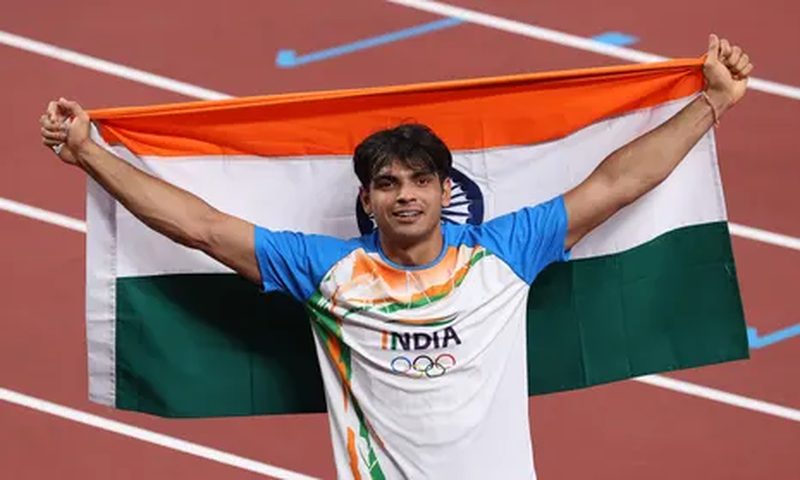
For most of its history, Indian athletics was a story of near misses. PT Usha missed an Olympic bronze by one-hundredth of a second in 1984; Milkha Singh had suffered the same agony in 1960. Then, in Tokyo 2021, Neeraj Chopra’s javelin gold ended a century of waiting and ignited a transformation. This is the journey of Indian athletics from its pioneering heroes to the Paris Olympics generation that now expects, rather than hopes, to win.
Milkha Singh and the first dreams
Milkha Singh, the Flying Sikh, was independent India’s first athletics superstar. At the 1960 Rome Olympics, he finished fourth in the 400 metres in a photo finish, missing bronze by 0.1 seconds after leading into the final straight. He had already won Commonwealth and Asian Games golds, and his rivalry with Pakistan’s Abdul Khaliq made him a subcontinental icon. Milkha’s tragedy and triumph set the template for Indian athletics for decades: world-class talent, heroic effort, and heartbreak at the final hurdle. His story, later immortalised on film, inspired generations to take up the sport even as the system around them remained threadbare.
Who was PT Usha and why does she matter?
Pilavullakandi Thekkeparambil Usha, PT Usha to the nation, was the queen of Indian athletics in the 1980s. The Payyoli Express dominated Asian sprinting, winning multiple golds at the Asian Games and Asian Championships in the 100, 200 and 400 metres and the 400-metre hurdles. At the 1984 Los Angeles Olympics, she reached the 400-metre hurdles final and finished fourth, one-hundredth of a second behind the bronze medallist. It remains one of the cruellest near misses in Olympic history. Usha’s grace in defeat and dominance in Asia made her an icon, and her later work as an administrator and academy founder, including her role leading the Indian Olympic Association, has shaped the sport’s governance.
What held Indian athletics back for so long?
The talent was never the problem; the ecosystem was. Indian athletes trained on grass tracks while rivals used synthetic surfaces, lacked qualified coaches in technical events, and received little sports science or injury support. Funding was erratic, foreign exposure rare, and doping scandals periodically stained the sport’s reputation. The federation lurched between neglect and controversy. Promising juniors burned out or faded for want of structured progression from youth to senior level. The result was a paradox: a nation of 1.4 billion people that could not win a single Olympic athletics medal in over a century of trying.
How did the turnaround begin?
Change came gradually, then suddenly. The Target Olympic Podium Scheme, launched in 2014, directed serious money at medal prospects, funding foreign training stints, elite coaches and equipment. Private initiatives and state governments, notably Odisha’s investment in athletics infrastructure, created high-performance centres. Foreign coaches in the javelin, led by figures like Uwe Hohn, transformed technical events. Anti-doping enforcement tightened. And success bred investment: Anju Bobby George’s 2003 World Championship long jump bronze had shown what was possible, and the steady rise of athletes like discus thrower Vikas Gowda and steeplechaser Lalita Babar kept the flame alive until Chopra’s generation arrived.
Who leads the Paris Olympics generation?
Neeraj Chopra is the standard-bearer, but he no longer stands alone. Long jumper Murali Sreeshankar, steeplechaser Avinash Sable, who broke the national record repeatedly, shot putter Tajinderpal Singh Toor, and the men’s 4×400-metre relay team, which reached the World Championship final, form a core of genuine world-class performers. In women’s athletics, steeplechaser Parul Chaudhary and long jumper Shaili Singh represent the next wave. The Paris 2024 contingent was India’s largest and most confident athletics squad ever, with multiple athletes reaching finals. The conversation has shifted from participation to podiums, and young athletes now grow up watching Indians win Diamond League events on television.
What must happen next?
Sustaining the rise requires finishing the structural work. India needs more synthetic tracks in smaller cities, qualified coaches at the grassroots, and a ruthless anti-doping culture to protect the sport’s credibility. Talent identification must reach beyond the traditional strongholds of Haryana, Kerala and Punjab. Sports science, nutrition and psychology support should be standard, not luxuries for the elite few. And the federation must convert the Chopra-inspired boom in participation into a pipeline that produces finalists, not just dreamers. The raw material has never been richer; the task now is to build the machine that refines it.
FAQs
Who won India’s first Olympic medal in athletics? Neeraj Chopra, who won javelin gold at the Tokyo Olympics in 2021 with a throw of 87.58 metres.
What was PT Usha’s best Olympic result? Fourth place in the 400-metre hurdles at Los Angeles 1984, missing bronze by 0.01 seconds.
Which Indian athlete first won a World Championships medal? Anju Bobby George, who won long jump bronze at Paris 2003.
From Milkha’s tears in Rome to Chopra’s gold in Tokyo, Indian athletics travelled a long road from heartbreak to belief. The Paris generation runs with the weight of history lifted: they know Indians can win, because they have seen it done.
Source: Athletics Federation of India archives

Khabar 24h Editorial Desk — our explainers are prepared by the Khabar 24h editorial team using AI-assisted research tools, and every piece is reviewed by a human editor before publishing. We do not claim original reporting: our work is turning complex topics into simple, accurate summaries. Spotted an error? Write to contact@khabar24h.com — our corrections policy aims for same-day review.
More from this author →