Exchange Rates Explained: What Makes Currencies Rise and Fall
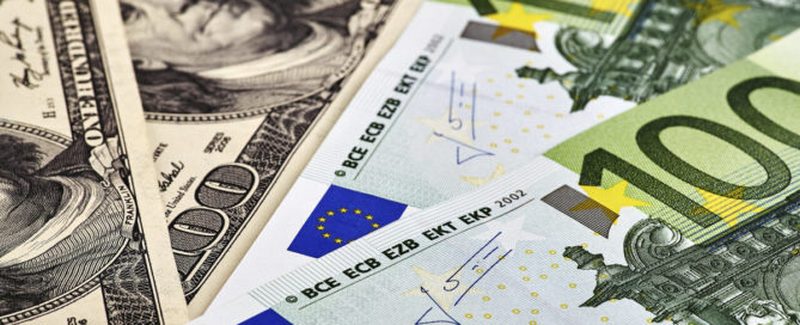
Every cross-border transaction, from a tourist’s coffee to a billion-dollar bond trade, passes through the foreign exchange market, the largest financial market on earth, turning over trillions of dollars daily. Exchange rates decide how much your money is worth abroad, whether your country’s exports are cheap or dear, and sometimes whether governments survive. This explainer shows what makes currencies rise and fall.
How exchange rates are set
Most major currencies float: their value is set by supply and demand in global markets. If investors want yen, the yen rises; if they flee the lira, it falls. Some countries peg their currency to another, like the dollar, promising to convert at a fixed rate, which requires holding reserves and defending the peg against speculators. Others manage a dirty float, intervening occasionally. China’s yuan is the most famous managed currency, steered within bands by the central bank. Each regime is a trade-off: floats absorb shocks but swing wildly; pegs offer stability until they snap.
What moves currencies
Interest rates are the biggest short-term driver: money flows to where it earns more, so rate hikes typically lift a currency. Trade balances matter over time: chronic importers sell their currency to buy foreign goods, pushing it down. Then come the intangibles: political stability, growth prospects, and sheer sentiment. Safe-haven flows can defy fundamentals: in crises, investors pile into the dollar and Swiss franc regardless of US or Swiss economics. Speculators amplify everything, and central bank jawboning, mere hints of intervention, can move markets by itself.
Who wins and loses
A strong currency is a mixed blessing. Consumers and importers love it: foreign goods, travel and debt get cheaper. Exporters hate it: their products become expensive abroad, threatening jobs. Japan spent decades fretting about a strong yen hollowing out industry; Switzerland battled an overvalued franc for years. A weak currency flips the script: exporters cheer, but import bills, especially for energy and food, soar, fuelling inflation. Governments therefore rarely admit to wanting weak currencies, even when their exporters beg for them, the currency wars are fought with euphemisms.
- The forex market trades over 7 trillion dollars a day, dwarfing stock markets.
- The US dollar is on one side of nearly 90% of all forex trades.
- Currency crises, from Asia 1997 to Turkey’s lira collapses, can topple governments.
- Central banks hold trillions in foreign-exchange reserves to manage their currencies.
When currencies collapse
Currency crises follow a script: pegged or managed currencies, big foreign debts, and a loss of confidence trigger capital flight; reserves burn defending the rate; devaluation follows, making foreign debts explode in local terms. The 1997 Asian crisis, Argentina’s repeated peso collapses, and Turkey’s lira crises all rhyme. Floating currencies rarely collapse so dramatically, but they can still plunge: the British pound’s 2022 mini-budget crash showed even reserve currencies are not immune to self-inflicted wounds. The lesson: credibility is a currency’s true backing.
Can governments control exchange rates?
Up to a point. Central banks can intervene, buying or selling their currency, and Japan, Switzerland and China all do. Capital controls can stem outflows, as Malaysia showed in 1998. But against determined markets, intervention burns reserves fast: speculators famously broke the Bank of England in 1992. The durable tools are boring ones: sound budgets, low inflation, and growth that attracts capital willingly. In forex, as elsewhere, there is no substitute for credibility.
FAQs
Why did my holiday get more expensive? Your home currency likely weakened against your destination’s, meaning each unit buys less abroad.
What is a currency peg? A government’s promise to exchange its currency at a fixed rate to another, requiring reserves and discipline to maintain.
Why is the dollar so dominant in forex? Deep US markets, dollar invoicing of commodities, and safe-haven demand make it the default currency of global finance.
Exchange rates are the prices that connect national economies, set by trillions in daily bets on growth, rates and politics. They are humbling reminders that in a global economy, the value of money is never just a domestic affair.
For ordinary people, exchange rates are felt in holiday prices, import bills and remittance values. For governments, they are a policy lever wrapped in a market verdict: intervene too much and reserves burn, float freely and volatility bites. The long-run truth is humbling: currencies ultimately reflect what markets believe about a country’s future, and no central bank can fake that for long.
Compiled by the Khabar 24h Editorial Desk from publicly available sources.
Related stories
View all →
Trump Rejects Iran’s Hormuz Offer as Coalition Downs Houthi Drones
US President Donald Trump has rejected Iran’s seven-day proposal to reopen the Strait of Hormuz, dimming hopes of a diplomatic breakthrough. ‘They…

Jaishankar Flags India’s Russia Sanctions Concerns to Rubio
External Affairs Minister S Jaishankar raised India's concerns over Russia sanctions in talks with US Secretary of State Marco Rubio.
Pezeshkian Calls Out Trump By Name In UN Speech
Iranian President Masoud Pezeshkian directly named Donald Trump in a defiant UN address, declaring "we did not bend the knee" amid rising…

Khabar 24h Editorial Desk — our explainers are prepared by the Khabar 24h editorial team using AI-assisted research tools, and every piece is reviewed by a human editor before publishing. We do not claim original reporting: our work is turning complex topics into simple, accurate summaries. Spotted an error? Write to contact@khabar24h.com — our corrections policy aims for same-day review.
More from this author →