How the Hockey India League Works: Format, Teams and Auction Explained
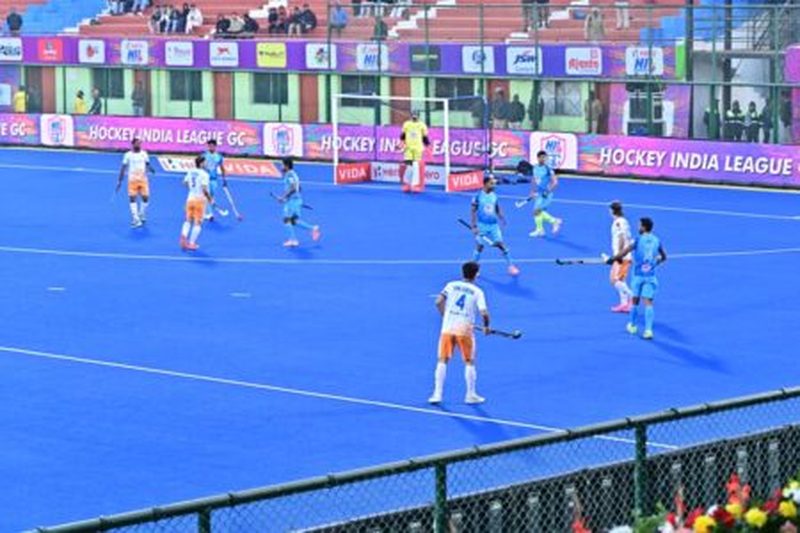
Indian hockey’s boldest experiment is its franchise league: the Hockey India League, a tournament that brings auction-built teams, overseas stars and prime-time presentation to one of the world’s oldest sports. After its original run transformed the domestic game, the league’s revival has given Indian hockey a professional showcase to match its ambitions. This guide explains how the HIL works: the format, the teams, the auction and its significance.
Format: how the league is played
The Hockey India League follows the franchise model familiar from cricket’s IPL: city-based teams playing a round-robin league stage followed by playoffs. Each team plays the others home and away, with points for wins and draws, though hockey’s league has experimented with innovations like bonus points for big wins to encourage attacking play. The top four teams advance to the semi-finals, with the winners contesting the final for the title. Matches are played in short, sharp seasons of a few weeks, creating an intense festival of hockey. The league has also pioneered presentation innovations for the sport: player microphones, enhanced broadcasts and entertainment packaging designed to win new audiences for hockey.
Teams and the auction system
HIL franchises represent Indian cities and are owned by corporate houses and consortiums, several with experience in other sports leagues. Squads are built through a player auction under a salary cap, with each team required to blend Indian players and overseas stars: typically a set number of foreign players per squad and per playing eleven, ensuring the league develops Indian talent while importing world-class quality. The auctions have made household names of the world’s best drag-flickers and goalkeepers, with top overseas players commanding the highest prices. For Indian players, especially youngsters, the auction is transformative: a big bid means financial security and the chance to share a dressing room with Olympic champions. The draft and retention systems in later seasons added squad-building strategy, rewarding franchises that develop talent.
The men’s and women’s leagues
A landmark of the league’s revival is the parallel women’s competition: the women’s HIL gives India’s female hockey stars, Olympic medallists and rising talents, the same franchise platform as the men. The women’s auction has been equally newsworthy, with top Indian and overseas players earning significant contracts. Running both leagues together has doubled the developmental impact: twice the opportunities, twice the visibility, and a powerful statement about equality in Indian sport. The women’s league has already begun unearthing new talent and raising the domestic standard, feeding directly into the national team’s ambitions.
What the HIL means for Indian hockey
The league’s significance goes beyond entertainment. Financially, it has professionalised the sport: players earn serious money, support staff have proper jobs, and hockey becomes a viable career. Technically, young Indians training and playing alongside the world’s best improve at an accelerated rate, visible in the national teams’ rising standards. Commercially, it gives sponsors and broadcasters a packaged product, building the audience hockey needs. The challenges are real: sustaining franchise finances, finding calendar space in a crowded international schedule, and ensuring the league’s benefits reach the grassroots. But as a shop window and a finishing school, the HIL has already proved its worth. For a sport with India’s heritage and ambitions, a thriving professional league is not a luxury but a necessity. Young players who impress in the league now earn national call-ups as a matter of course, and auction prices have made hockey a genuinely aspirational career for teenagers in the sport’s traditional heartlands, from Punjab’s villages to Odisha’s tribal belts.
- Franchise-based league with city teams, played in a short intensive season.
- Round-robin league stage followed by semi-finals and a final.
- Squads built by auction under a salary cap, mixing Indian and overseas players.
- Parallel men’s and women’s competitions in the revived league.
FAQs
How are HIL teams built? Through a player auction under a salary cap, with quotas ensuring a blend of Indian and overseas players.
Is there a women’s Hockey India League? Yes. The revived league runs parallel men’s and women’s competitions.
When is the HIL played? In a compact window of a few weeks, scheduled around the international hockey calendar.
The Hockey India League is Indian hockey’s professional shop window: where the world’s best come to play, and where India’s next stars are made.
Compiled by the Khabar 24h Editorial Desk from publicly available sources.

Khabar 24h Editorial Desk — our explainers are prepared by the Khabar 24h editorial team using AI-assisted research tools, and every piece is reviewed by a human editor before publishing. We do not claim original reporting: our work is turning complex topics into simple, accurate summaries. Spotted an error? Write to contact@khabar24h.com — our corrections policy aims for same-day review.
More from this author →