How Drone Cameras Work: Gimbals, Sensors and India’s Drone Rules Explained
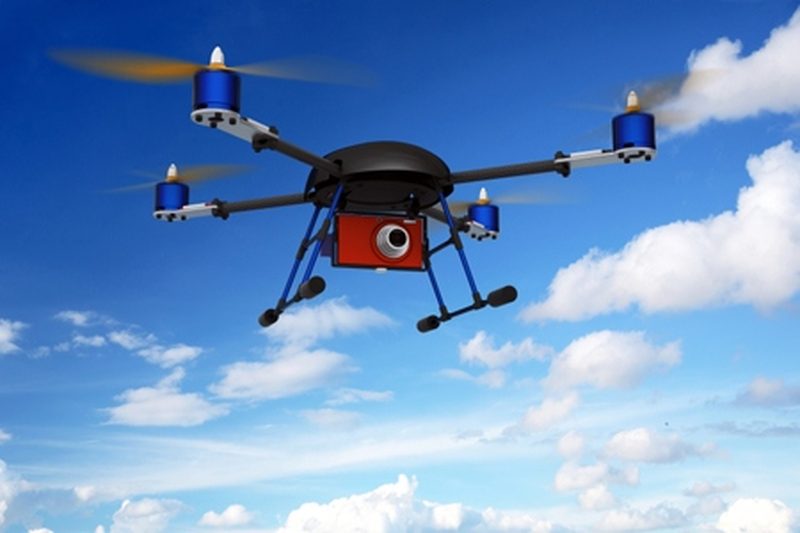
A decade ago, sweeping aerial shots belonged to film crews with helicopters. Today a drone costing less than a flagship phone captures stabilised 4K footage from angles once impossible, and India’s weddings, real estate and tourism industries run on drone videography. But a drone camera is two engineering marvels fused: a flying robot and a cinema camera that must stay perfectly steady while moving through the air. This guide explains how drone cameras work, the gimbals and sensors inside, and India’s drone rules you must follow.
Staying steady: the gimbal
The gimbal is what separates drone footage from shaky chaos. It is a motorised three-axis mount holding the camera, with brushless motors counteracting the drone’s pitch, roll and yaw movements hundreds of times per second. Gyroscopes and accelerometers sense every wobble; the control loop drives the motors to cancel it before it reaches the lens. The result is the signature floating smoothness of drone video, even as the aircraft buffets in wind. Three-axis stabilisation is standard on camera drones; cheaper toy drones use electronic stabilisation alone, cropping the image to compensate for shake, which works but loses quality. When evaluating drones, gimbal quality matters more than megapixels for video that looks professional.
Sensors, lenses and image quality
Drone cameras follow the same physics as phone cameras, with weight as the cruel constraint. Larger sensors gather more light but need bigger lenses and gimbals, so consumer drones balance carefully: premium models carry one-inch sensors rivalling flagship phones, while compact drones use smaller ones. Fixed wide-angle lenses dominate; optical zoom exists on prosumer models via dual cameras. Aperture is usually fixed, with ND filters, small dark glass discs, managing exposure in bright sun, an essential accessory for cinematic motion blur. Video specifications matter most: 4K at 60fps is the current sweet spot, with log colour profiles preserving dynamic range for grading. As with phones, computational processing, HDR stacking and noise reduction, does heavy lifting behind the sensor.
Intelligent flight: the robot half
Modern drones fly themselves as much as you fly them. GPS and vision positioning hold the drone rock-steady in a hover without stick input. Obstacle-sensing cameras in multiple directions detect trees, buildings and people, stopping or rerouting automatically. Intelligent modes automate cinematography: orbit a subject, track a moving person, or fly pre-programmed waypoint missions while the camera does the work. Return-to-home triggers on low battery or signal loss, flying back to the launch point and landing itself. These systems make stunning shots accessible to beginners, but they are assistance, not autonomy; the pilot remains responsible for every flight.
India’s drone rules: what you must know
India’s Drone Rules, 2021, liberalised the earlier regime but kept essential requirements.
- Registration: most drones must be registered on the Digital Sky platform with a unique identification number.
- Categories: nano drones under 250g face the lightest requirements; heavier categories need more compliance.
- Pilot certification: remote pilot certificates are required for commercial operations and heavier drones.
- Airspace: check the Digital Sky map; red zones prohibit flights, yellow zones need permission, green zones up to 400 feet are generally open.
- No-fly areas: airports, military installations, government buildings and crowded gatherings are restricted.
- Commercial use: weddings, real estate shoots and surveys need proper registration and, where applicable, certified pilots.
Rules evolve, so verify current requirements on the Digital Sky platform before flying; ignorance is not a defence.
Choosing a drone for your needs
Match the drone to the mission. Beginners should start with a sub-250g model: easier regulations, lower crash costs, and genuinely good cameras. Travel vloggers prioritise portability and wind resistance. Aspiring professionals need larger sensors, log profiles and obstacle sensing in all directions. Check flight time honestly, 25 to 35 minutes real-world for most, and budget for extra batteries; one battery is never enough. In India, buy from authorised channels with local warranty and service, since grey imports complicate repairs and registration. And practice in open fields before attempting anything ambitious; the learning curve is short but the ground is hard.
FAQs
Do I need permission to fly a drone in India? Nano drones in green zones generally do not need prior permission, but registration and airspace rules still apply. Heavier drones and commercial use have stricter requirements.
Can I fly a drone at weddings? Yes, with the appropriate category compliance and permissions for the airspace; many wedding photographers now operate certified drone services.
What happens if I break drone rules? Penalties under the Drone Rules include fines and confiscation. Flying near airports can invite serious criminal charges.
Drone cameras fused aviation with cinematography and put the sky within everyone’s reach. Respect the gimbal, learn the rules, and India’s landscapes are yours to film.
Source: DGCA

Khabar 24h Editorial Desk — our explainers are prepared by the Khabar 24h editorial team using AI-assisted research tools, and every piece is reviewed by a human editor before publishing. We do not claim original reporting: our work is turning complex topics into simple, accurate summaries. Spotted an error? Write to contact@khabar24h.com — our corrections policy aims for same-day review.
More from this author →