How Sports Sponsorship Deals Work: A Guide for Brands and Athletes
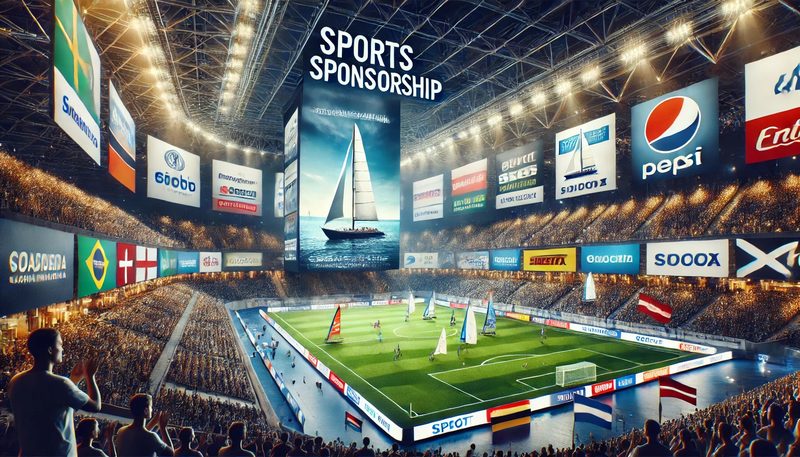
Sports sponsorship is a multi-billion-dollar industry built on a simple exchange: brands pay for association with the emotion, audience and values of sport. But behind every logo on a jersey lies a complex deal: rights fees, deliverables, activation plans and measurement. Whether you are a brand manager or an athlete’s representative, understanding how these deals work is essential. This is the complete guide.
What do sponsors actually buy?
Sponsorship buys association, not advertising space. The core asset is the right to link the brand with the team, athlete or event: logos on jerseys, naming rights to stadiums, the title of tournaments. Around this orbit deliverables: player appearances, social media posts, hospitality packages, tickets, signed merchandise and content rights. Smart sponsors buy platforms for storytelling, not just visibility: the right to create campaigns around the team’s journey, behind-the-scenes content and fan experiences. The distinction matters because sponsorship’s value lies in emotional transfer: fans’ love for the team rubs off on the brand, something conventional advertising cannot replicate.
How are sponsorship deals structured?
Deals typically run one to five years, with longer terms for stadium naming rights. The fee structure combines rights fees, the payment for association, with activation budgets, the money spent exploiting the sponsorship, ideally in a one-to-one ratio or better. Contracts specify deliverables precisely: number of logo placements, social media posts, appearance days, hospitality allocations. Exclusivity clauses protect sponsors from ambush by rivals. Performance bonuses reward on-field success; relegation or scandal clauses protect sponsors when things go wrong. Morality clauses allow termination if the athlete or team damages the brand. The best contracts align incentives: both sides win when the team wins.
How is sponsorship priced?
Pricing blends art and science. The science uses audience metrics: television ratings, stadium attendance, social media reach and engagement, valued against the cost of equivalent advertising. The art accounts for intangibles: the prestige of the property, the passion of its fans, the brand fit. Cricket’s IPL commands the highest prices in Indian sport because it delivers massive, measurable audiences. Emerging properties price on potential, offering early sponsors favourable terms. Athlete endorsements price on fame, performance trajectory and image: a young Olympic prospect costs less than a proven champion but offers greater upside. Negotiation leverage shifts with results: win, and your price rises; lose, and sponsors renegotiate.
What is activation and why does it matter?
Activation, the marketing around the sponsorship, determines its success. A logo on a jersey that nobody notices is wasted money; campaigns that engage fans create value. Effective activation includes fan zones and experiential events, social media content series, limited-edition products, fantasy and gaming integrations, and community programmes. The rule of thumb is to spend at least as much on activation as on rights fees. The most celebrated sponsorships, Nike’s athlete storytelling, Coca-Cola’s fan experiences, are triumphs of activation, not just association. Brands that buy rights and do nothing with them inevitably conclude that sponsorship does not work.
How is sponsorship measured?
Measurement has matured beyond logo-counting. Media valuation estimates the advertising value of exposure, though sophisticated sponsors discount these figures. Brand tracking measures awareness, consideration and preference shifts among fans versus non-fans. Digital metrics, engagement rates, video views, follower growth, quantify social impact. Commercial metrics, sales lift in sponsor categories, footfall, lead generation, connect sponsorship to revenue. The most advanced sponsors run control-group studies isolating sponsorship’s effect. Measurement’s purpose is not just justification but optimisation: understanding what works refines future deals and activation spending.
What should athletes know?
For athletes, sponsorship is a business requiring professional management. Build the brand before selling it: consistent performance, distinctive personality and engaged social media following drive value. Hire representation: agents negotiate better terms and protect against exploitative clauses. Understand what you are selling: your time, image and association have finite supply, so price them accordingly. Protect the asset: controversies destroy endorsement value faster than poor form. Diversify: multiple mid-tier sponsors beat dependence on one. And plan for the end: athletic careers are short, and sponsorship income should fund the transition to whatever comes next. The athletes who earn most from endorsements treat themselves as businesses from the start.
FAQs
What is the difference between sponsorship and advertising? Sponsorship buys association with a property’s audience and emotions; advertising buys media space. Sponsorship’s value lies in emotional transfer.
How long do sponsorship deals last? Typically one to five years for teams and athletes; stadium naming rights often run a decade or more.
What is ambush marketing? When non-sponsors associate themselves with an event without paying, through clever advertising that implies a connection sponsors paid for.
Sponsorship is sport’s financial engine: brands buy emotion, properties sell audiences, and activation turns association into value. Done well, everyone wins: the brand, the team, and the fans.
Source: World Advertising Research Center sports sponsorship reports

Khabar 24h Editorial Desk — our explainers are prepared by the Khabar 24h editorial team using AI-assisted research tools, and every piece is reviewed by a human editor before publishing. We do not claim original reporting: our work is turning complex topics into simple, accurate summaries. Spotted an error? Write to contact@khabar24h.com — our corrections policy aims for same-day review.
More from this author →