How the Duleep Trophy Works: India’s Zonal First-Class Competition Explained
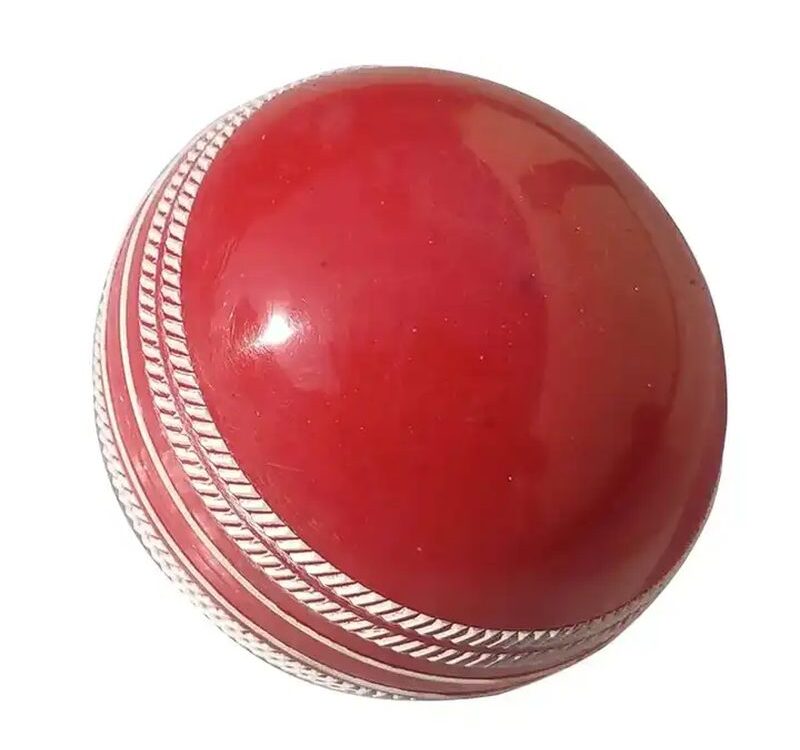
Indian domestic cricket has a competition unlike any other: a first-class tournament where the teams are not states but zones, North versus South, East versus West, in contests that carry the flavour of representative honour. The Duleep Trophy, named after Kumar Shri Duleepsinhji, the graceful batter of the 1930s, has been part of the Indian season for more than six decades. Its format has changed repeatedly, from five zonal teams to three, and at times to teams picked by selectors rather than geography, but its purpose has stayed constant: to concentrate the best domestic talent into high-intensity first-class cricket that mirrors the step up to Test level. This guide explains how it works and why selectors still value it.
The zonal format explained
In its classic and current form, the Duleep Trophy is contested by zonal teams drawn from India’s five cricketing zones: North, South, East, West and Central, with a North East zone added in recent editions to reflect the game’s expansion. Each zone picks its strongest available players from the state teams within its territory, which means the standard is a clear notch above regular Ranji Trophy cricket: instead of facing one state’s attack, a batter faces a zone’s best bowlers. Matches are played over four days under first-class rules, and the tournament is usually staged as a compact event, sometimes a round-robin leading to a final, sometimes straight knockout, depending on the season’s calendar. The condensed format means every match carries weight, and with only a handful of games, there is nowhere to hide a poor performance.
History and famous editions
First played in the 1961-62 season, the Duleep Trophy quickly became the fixture where domestic giants measured themselves against each other. Its history is studded with legendary performances: great batters piling up double hundreds against attacks full of Test hopefuls, and young bowlers announcing themselves by running through star-studded line-ups. The tournament has experimented with formats over the decades, including a period of three teams chosen by the national selectors (India Red, Blue and Green) and experiments with day-night first-class cricket using the pink ball, which gave Indian players valuable experience of twilight conditions before the country’s first day-night Test. Through every reinvention, the core appeal has endured: concentrated quality, representative pride, and the chance for a fringe player to dominate a match full of internationals.
Why selectors value the Duleep Trophy
For the national selection panel, the Duleep Trophy solves a specific problem. Ranji Trophy performances come against variable opposition, and it can be hard to tell whether a mountain of runs was compiled against a weak attack on a flat pitch. The Duleep Trophy removes that doubt: runs and wickets here come against the best domestic players in the country, in matches with a intensity that approximates international cricket. It is, in effect, a trial in disguise, and selectors have long used it to settle debates about Test squad places. A young batter who makes a hundred against a new-ball attack of Test aspirants, or a spinner who bowls a side out on the fourth day, forces their way into the conversation in a way no amount of zonal-committee lobbying can match. The tournament also serves as a comeback stage for internationals returning from injury, offering a serious hit-out before a Test recall.
The tournament’s place in the modern season
Fitting the Duleep Trophy into an already packed calendar is a perennial challenge, and its scheduling has shifted over the years, sometimes opening the season as a curtain-raiser, sometimes slotted between other events. Critics occasionally question whether zonal cricket still resonates in an age of state loyalties and franchise fandom, but the cricket itself keeps answering: the concentration of talent produces hard, high-quality first-class matches that players consistently rate among the toughest domestic cricket they play. Recent editions have also embraced the North East zone, giving players from the game’s newest frontiers a platform alongside established stars. As long as India needs a bridge between state cricket and Test cricket, the Duleep Trophy has a job to do.
- Zonal teams (North, South, East, West, Central, North East) pick the best players from their regions.
- Matches are four-day first-class fixtures, played as a short, intense tournament.
- Named after Duleepsinhji, the celebrated Indian batter of the 1930s.
- Has been used to trial pink-ball, day-night first-class cricket in India.
FAQs
How is the Duleep Trophy different from the Ranji Trophy? Ranji teams represent states; Duleep teams represent zones, concentrating the best players into fewer, stronger sides.
Do current internationals play in it? Yes, when available. Established Test players often turn out, which raises the standard and gives youngsters a direct benchmark.
Why does the format keep changing? The BCCI adjusts the structure to fit the calendar and to experiment, but the zonal first-class concept has always returned.
The Duleep Trophy is Indian cricket’s quality filter: fewer matches, stronger teams, and nowhere to hide. For players knocking on the Test door, it remains one of the loudest knocks they can deliver.
Compiled by the Khabar 24h Editorial Desk from publicly available sources.

Khabar 24h Editorial Desk — our explainers are prepared by the Khabar 24h editorial team using AI-assisted research tools, and every piece is reviewed by a human editor before publishing. We do not claim original reporting: our work is turning complex topics into simple, accurate summaries. Spotted an error? Write to contact@khabar24h.com — our corrections policy aims for same-day review.
More from this author →