How Social Media Algorithms Work: Why Your Feed Shows What It Shows
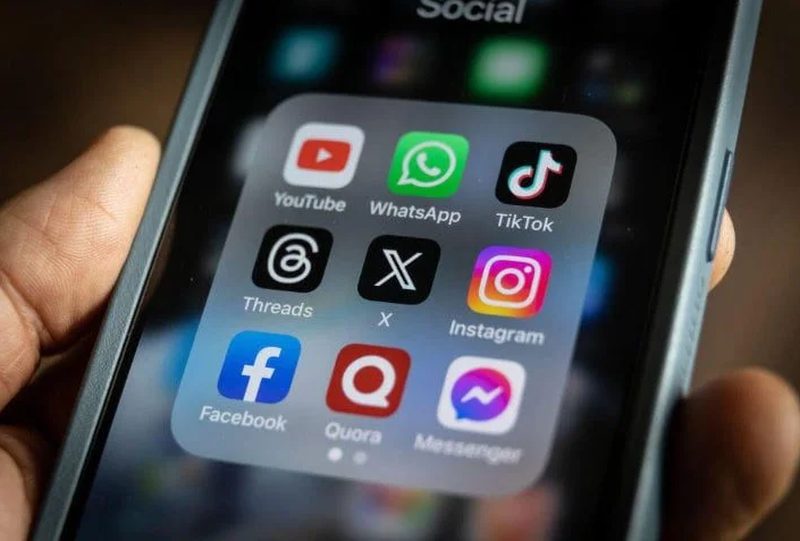
Open Instagram, X, YouTube or Facebook and the order of posts feels personal, almost mind-reading. That is because it is calculated: no major platform shows you a simple chronological feed anymore. Instead, ranking algorithms score every available post and show you the ones most likely to keep you scrolling. These algorithms shape what billions of people know, buy and believe, yet most users could not explain how they work. Understanding the machinery behind your feed is the first step to using social media deliberately instead of being used by it.
What is a feed algorithm trying to do?
Every feed algorithm serves one master: your attention. Platforms earn money by selling ads, and ads need eyeballs, so the algorithm’s job is to maximise the time you spend and the interactions you generate. To do this, it predicts, for each post and each user, the probability of every action: will you watch, like, comment, share, follow, or hide it? Posts are scored by these predictions, weighted by what the platform values most, and ranked accordingly. Watch time dominates video platforms; meaningful interactions like comments and shares weigh heavily on Facebook; recency still matters but is only one input among hundreds. The feed is not showing you what is most important or most true. It is showing you what is most engaging to you specifically, which is a very different thing.
How do platforms learn what you like?
Algorithms build a detailed model of you from signals both obvious and subtle. Explicit signals include likes, follows, shares and “not interested” taps. Implicit signals are richer: how long you linger on a post, whether you watch a video to the end or swipe away in a second, what you search for, whose profile you visit, and even how quickly you scroll. Modern systems use machine learning models trained on billions of such interactions to find patterns no human would spot: people who paused on this also engaged with that. Collaborative filtering means your feed is shaped by the behaviour of people statistically similar to you. The model updates constantly, which is why your feed can feel like it “figured you out” within days of a new interest.
Why does outrage and sensationalism spread?
This is the algorithm’s dark side, and it follows directly from the engagement objective. Content that triggers strong emotions, anger, fear, moral outrage, gets more comments, shares and watch time than calm, nuanced content, so the algorithm promotes more of it. Studies have repeatedly found that false or sensational claims outrun careful corrections because they are engineered, consciously or not, for engagement. The algorithm does not understand truth; it understands retention. This creates filter bubbles and rabbit holes: engage with one conspiracy video and the system, optimising for watch time, serves the next, deeper one. None of this requires malice from the platform, just an optimisation target that happens to reward provocation over accuracy.
How do the major platforms differ?
The details vary by platform.
- Instagram and Facebook rank by predicted engagement across your network and suggested content, with Reels heavily driven by watch time and replays.
- YouTube’s recommendation system, responsible for most views on the platform, optimises for watch time and session length, which is why autoplay rabbit holes are so deep.
- X ranks by recency blended with engagement predictions, with paid subscribers and followed accounts getting structural boosts.
- TikTok’s For You page is the purest engagement machine, testing new videos on small audiences and amplifying whatever holds attention, which is why unknown creators can explode overnight.
How can you take back control?
You cannot turn the algorithm off, but you can train it. Use “not interested”, hide and mute aggressively; every such signal teaches the model. Follow accounts deliberately rather than letting suggestions choose for you, and prune follows that make you feel worse. Turn off autoplay where possible and set app time limits; friction is the enemy of mindless scrolling. Diversify your information diet on purpose: follow credible news sources and people you disagree with respectfully, because the algorithm will otherwise narrow your world to what already engages you. And remember the fundamental frame: when a product is free, your attention is the product being sold.
FAQs
Is my feed spying on me outside the app? Platforms collect extensive on-app behaviour and, via trackers and pixels, some off-app activity too. Privacy settings and limiting ad tracking reduce but do not eliminate this.
Why did my post get no reach? Reach depends on early engagement velocity, format preferences, posting time and opaque platform priorities. Low reach usually reflects the ranking system, not your content’s worth.
Can algorithms be regulated? India’s IT rules and the EU’s Digital Services Act impose transparency and accountability requirements on large platforms, but effective algorithmic regulation remains a work in progress worldwide.
Your feed is not a window on the world; it is a mirror held up to your impulses, polished by machines that profit from your reflection. Knowing how the mirror works does not break the spell entirely, but it lets you choose when to look away.
Compiled by the Khabar 24h Editorial Desk from publicly available sources.

Khabar 24h Editorial Desk — our explainers are prepared by the Khabar 24h editorial team using AI-assisted research tools, and every piece is reviewed by a human editor before publishing. We do not claim original reporting: our work is turning complex topics into simple, accurate summaries. Spotted an error? Write to contact@khabar24h.com — our corrections policy aims for same-day review.
More from this author →