Hockey Sticks, Turf and Gear: How Equipment Shapes Modern Field Hockey
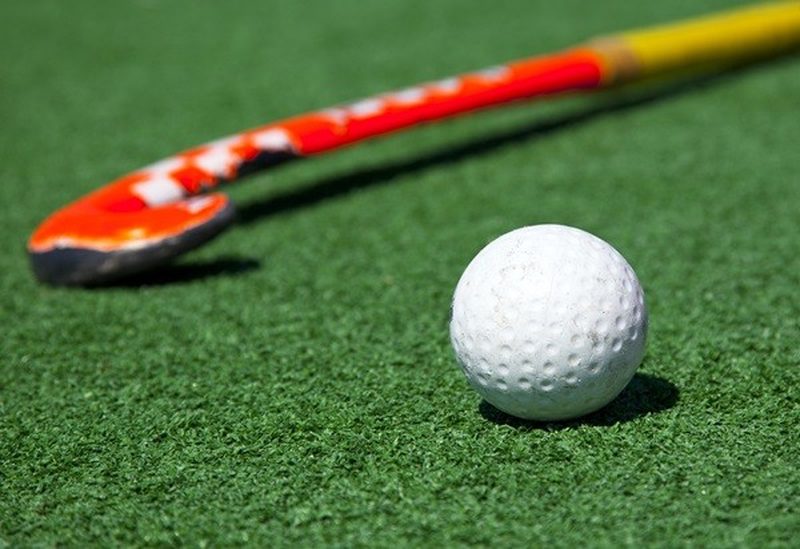
Modern field hockey barely resembles the game played on grass with wooden sticks a generation ago. Composite sticks, water-based artificial turf, protective gear and video technology have transformed every aspect of how hockey is played: the speed, the skills, the tactics and even the physiques of the players. Equipment is not just the backdrop to the sport; it actively shapes it. This guide explains the gear of modern hockey and how it changed the game.
The stick: from wood to carbon composite
The hockey stick’s evolution is the sport’s defining technological story. Traditional wooden sticks, usually mulberry or hickory, were heavy, inconsistent and limited in power. Modern sticks are engineered composites of carbon fibre, fibreglass and aramid, precisely tuned for stiffness, weight and bow profile. The carbon content determines power: more carbon means a stiffer stick and harder hits, which is why drag-flickers use the stiffest sticks available. The bow, the curve along the stick’s length, is regulated but within limits allows players to lift the ball and execute 3D skills, dribbling the ball in the air. Stick heads come in shapes suited to different positions: the midi head for all-round control, the maxi for hitting power. Players choose sticks the way golfers choose clubs, matched to their role and technique, and the top stars have signature models engineered to their specifications.
Turf: how the surface changed everything
The shift from grass to artificial turf, beginning in the 1970s and completed at the elite level with water-based pitches, revolutionised hockey more than any other change. Turf made the ball roll true and fast, eliminated the muddy unpredictability of grass, and enabled the high-tempo passing game of the modern era. Water-based turfs, kept wet by irrigation, are the fastest surfaces of all, rewarding precise, rapid hockey. The change had profound competitive consequences: it favoured physically powerful, well-drilled teams and blunted the advantage of the subcontinental dribblers raised on grass, a major factor in the shifting balance of world hockey. Turf also changed player preparation: the surface is unforgiving on joints, demanding better footwear, conditioning and injury management. Every elite player now learns the game on turf, and the grass era survives only in memory and nostalgia.
Protection, goalkeeping gear and the ball
As sticks got more powerful and balls faster, protection became essential. Outfield players wear shin guards, and penalty-corner defenders don face masks, gloves and chest protection against 100 kph drag-flicks. The goalkeeper’s transformation is the most dramatic: modern keepers wear helmeted, fully padded armour, kickers, leg guards, body protectors and gloves, resembling ice-hockey goalies more than their football counterparts. This protection enables the spectacular, courageous goalkeeping of the modern game. The ball itself is a dimpled plastic sphere, standardised for weight and hardness, designed to move truly on turf. Even the humble mouthguard is now universal, a reminder that a sport played with hard projectiles at close quarters demands respect.
Technology: video, data and training aids
Equipment extends beyond what players wear. Video analysis is now central: teams review every match in detail, study opponents’ penalty-corner routines frame by frame, and use drone and elevated cameras in training. Wearable GPS trackers monitor workloads, sprint distances and intensity, feeding the sports-science programmes that keep players fit through brutal schedules. Training aids, rebound boards, target nets, drag-flick practice rigs, structure the endless repetition behind elite skills. Even umpiring has its technology, with video referral systems at major tournaments. The modern hockey player is a product of this ecosystem: engineered sticks, perfect surfaces, data-driven preparation and protective armour, all combining to produce the fastest, most skilful hockey ever played.
- Composite sticks blend carbon fibre, fibreglass and aramid; stiffness and bow are tuned to role.
- Water-based artificial turf made hockey faster, truer and more physical than the grass era.
- Goalkeepers wear full protective armour; corner defenders use masks and gloves.
- Video analysis, GPS tracking and data science now underpin elite preparation.
FAQs
Why are modern hockey sticks so expensive? They are precision-engineered composites with tuned carbon layups, closer to aerospace equipment than the wooden sticks of the past.
What is water-based turf? An artificial pitch kept wet during play, the fastest and truest surface, standard at the elite level.
Can players use any stick they want? Sticks must meet regulations on length, weight, bow and head shape, but within those limits players choose freely.
From carbon sticks to watered turf, equipment did not just change hockey’s tools; it changed hockey itself. The modern game is faster, harder and more spectacular because of the gear beneath it.
Compiled by the Khabar 24h Editorial Desk from publicly available sources.

Khabar 24h Editorial Desk — our explainers are prepared by the Khabar 24h editorial team using AI-assisted research tools, and every piece is reviewed by a human editor before publishing. We do not claim original reporting: our work is turning complex topics into simple, accurate summaries. Spotted an error? Write to contact@khabar24h.com — our corrections policy aims for same-day review.
More from this author →