Esports in India Explained: Games, Tournaments and the Road to the Asian Games
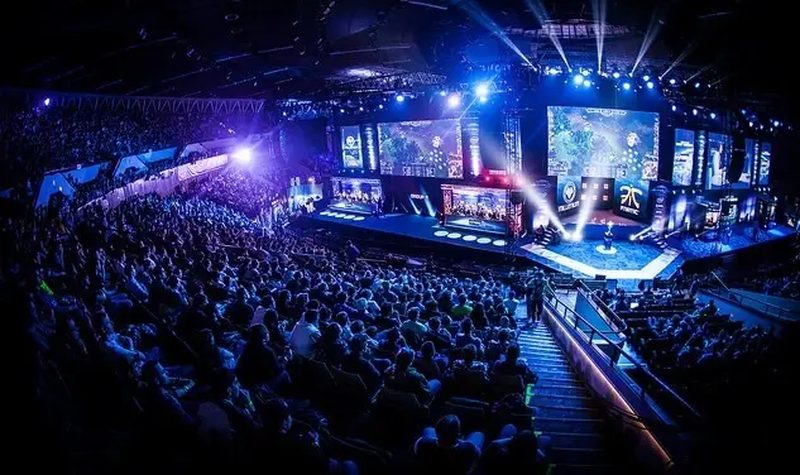
Esports in India has travelled from cyber cafes to sold-out arenas in barely a decade. Millions play competitive video games, tournaments offer crore-rupee prize pools, and Indian gamers have won medals at the Asian Games. With official recognition as a multi-sport event discipline, esports now stands at the threshold of the mainstream. This is how it works: the games, the tournaments and the road ahead.
What is esports?
Esports is organised competitive video gaming: players and teams compete in tournaments for prize money, watched by audiences online and in arenas. The major genres include battle royale games like BGMI, India’s version of PUBG Mobile, first-person shooters like Valorant and Counter-Strike, mobile strategy games, sports simulations like EA FC, and multiplayer online battle arenas. Competition ranges from open online qualifiers anyone can enter to franchised leagues with city-based teams. Professional players train for hours daily, supported by coaches, analysts and organisations that function like sports clubs. The skill is real: reaction times, strategic thinking, teamwork and composure under pressure, honed through deliberate practice like any sport.
How did esports grow in India?
India’s esports story is a mobile-first phenomenon. Cheap smartphones and affordable data brought gaming to hundreds of millions, and PUBG Mobile became a cultural sensation before its ban led to the India-specific BGMI. The pandemic accelerated everything: locked-down youth watched gaming streams in record numbers, and tournaments moved online seamlessly. Prize pools grew from lakhs to crores; the BGMI Masters Series became the first televised esports tournament in India. Streaming platforms created stars: Indian gaming creators command audiences in the millions, and their influence drives the ecosystem. Corporate sponsors, once sceptical, now fund teams and tournaments. What began in cyber cafes is now a professional industry.
Which games dominate Indian esports?
The Indian competitive scene has its own hierarchy. BGMI dominates mobile esports: its national tournaments draw the largest audiences and prize pools, and its professional circuit is the most developed. Valorant leads PC gaming, with Indian teams competing in the South Asian qualifiers for international events. EA FC, formerly FIFA, has a dedicated competitive community tied to football fandom. Counter-Strike retains a hardcore following. Chess, unexpectedly, became an esports phenomenon through streaming. Each game has its own ecosystem of tournaments, teams and stars, and players typically specialise in one title, since mastery demands total focus. The government’s recognition covers esports broadly, but the commercial reality is that a handful of titles drive the industry.
How do esports tournaments work?
Tournaments follow an open-to-pro pyramid. Open qualifiers, held online, let any squad compete for slots in bigger events. Professional circuits run seasonal competitions with league stages and LAN finals, where teams compete on local networks in arenas before live audiences. Major tournaments feature group stages leading to playoffs, with prize pools distributed by placement. Third-party organisers run most events, while publishers operate official circuits with paths to world championships. The BGMI ecosystem exemplifies the model: monthly open events feed into the professional series, which culminates in televised LAN finals. Match formats vary by genre: battle royales play multiple maps with points for placements and kills, shooters play series of maps, sports sims play knockout brackets.
What is esports’ official status in India?
Recognition has been transformative. The government officially recognised esports as part of multi-sport events, placing it under the Ministry of Youth Affairs and Sports rather than treating it as gambling-adjacent gaming. This distinction, separating skill-based esports from games of chance, unlocked legitimacy: athletes can access sports quotas, federations can organise officially, and the stigma of gaming as mere pastime fades. The Esports Federation of India selects national teams for international competitions. The landmark moment came at the Hangzhou Asian Games in 2023, where esports debuted as a medal event and India won medals, proving Indian gamers belong on the continental stage. Olympic ambitions remain distant but are openly discussed.
What challenges does Indian esports face?
Growth brings growing pains. The PUBG Mobile ban demonstrated regulatory vulnerability: a single government decision can erase the biggest title overnight. Infrastructure lags: India lacks the high-end PC gaming cafes and training facilities common abroad, and internet quality varies. Career sustainability is uncertain: most professional players are teenagers with short competitive lifespans and little post-career planning. Gender diversity is poor, with women’s participation minimal. Match-fixing and cheating scandals threaten integrity. And the fundamental debate continues: is esports sport? Traditionalists resist, but the direction of official recognition, here and globally, suggests the question is being settled in esports’ favour.
What is the road ahead?
The trajectory points upward. The Asian Games medals validated the competitive model; future editions will expand esports’ medal events. A structured national circuit with official backing could professionalise the pyramid from grassroots to elite. Collegiate esports, already growing, will build the talent pipeline. International success, an Indian team contending at a world championship, would be transformative for mainstream acceptance. Technology helps: 5G and cloud gaming lower entry barriers further. The industry’s task is converting explosive growth into sustainable structure: player welfare, coaching standards, integrity systems and career pathways. If it succeeds, esports will complete its journey from cyber cafe pastime to recognised sport.
FAQs
Is esports recognised as a sport in India? Yes. The government recognised esports as part of multi-sport events under the sports ministry, distinguishing it from gambling.
Which game is biggest in Indian esports? BGMI dominates mobile esports with the largest tournaments and audiences; Valorant leads on PC.
Did India win esports medals at the Asian Games? Yes. India won medals when esports debuted as a medal event at the Hangzhou 2023 Asian Games.
From cyber cafes to the Asian Games podium in a decade: Indian esports is the fastest-growing sport you cannot play with a ball. The road to official recognition is travelled; the road to dominance lies ahead.
Source: Esports Federation of India

Khabar 24h Editorial Desk — our explainers are prepared by the Khabar 24h editorial team using AI-assisted research tools, and every piece is reviewed by a human editor before publishing. We do not claim original reporting: our work is turning complex topics into simple, accurate summaries. Spotted an error? Write to contact@khabar24h.com — our corrections policy aims for same-day review.
More from this author →