Urban Heat Islands: Why Indian Cities Run Hotter Than Their Surroundings
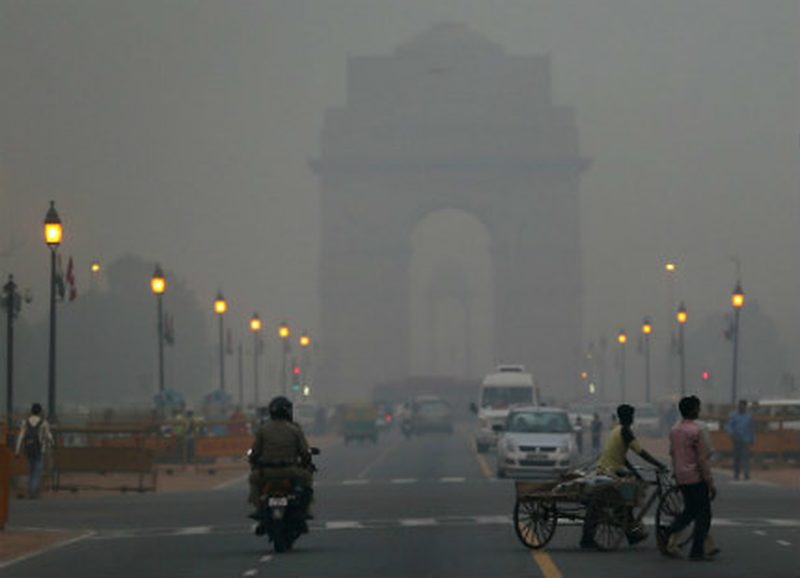
On a summer night, the difference between central Delhi and the fields a few dozen kilometres away can be startling: the city stays several degrees hotter long after sunset, its concrete and asphalt radiating the day’s stored heat. This is the urban heat island effect, and it makes Indian cities measurably hotter than their surroundings, day and night. As heatwaves grow fiercer with climate change, the extra degrees trapped by urban design are becoming a public health emergency, especially for those who work outdoors or live without cooling.
Why cities run hot
The physics is straightforward. Natural landscapes cool themselves: vegetation shades the ground, and plants release water vapour through transpiration, which carries heat away. Cities replace all that with dark, dense materials, asphalt roads, concrete buildings, tar rooftops, that absorb solar radiation and store it as heat. Tall buildings trap warm air in street canyons, blocking the breeze that would carry heat away. Waste heat from vehicles, air conditioners and industry adds a direct thermal load. At night, when the countryside cools quickly by radiating heat to the sky, the city’s thermal mass releases its stored warmth for hours, keeping urban nights oppressively hot.
How big is the difference?
Urban heat islands typically raise city temperatures by 2 to 5 degrees Celsius relative to surrounding rural areas, with the gap largest on calm, clear nights. In Indian megacities the effect is amplified by density, rapid construction and the loss of water bodies and green cover. Satellite thermal imaging shows the pattern starkly: industrial zones, dense commercial cores and airport runways glow hottest, while parks, lakes and tree-lined neighbourhoods stay cooler. The effect also varies by season, often peaking in the pre-monsoon summer when skies are clear and the sun is most intense.
Why it matters for health
A few extra degrees can be lethal. Heat stress overwhelms the body’s cooling systems, and hot nights are particularly dangerous because they deny the body its recovery period; mortality spikes during heatwaves are strongly linked to minimum temperatures, not just daytime peaks. Outdoor workers, construction labourers, street vendors and traffic police, bear the brunt, as do the elderly, young children and those in poorly ventilated housing. India’s deadly heatwaves of recent years, including the 2015 event that killed thousands, hit hardest in the concrete cores of cities where the heat island effect stacked on top of regional heat.
Cooling a city: what works
Cities can be redesigned to shed heat, and the solutions are well understood:
- More trees and parks, which shade surfaces and cool the air through transpiration; even small green pockets measurably cool their surroundings.
- Cool roofs and reflective materials, light-coloured coatings that bounce sunlight away instead of absorbing it.
- Water bodies and fountains, which cool through evaporation, a traditional Indian urban design feature worth reviving.
- Better ventilation corridors, keeping breezes flowing through street layouts instead of blocking them with walls of towers.
Heat action plans
Ahmedabad pioneered India’s first Heat Action Plan in 2013, after a devastating heatwave, and the model has since spread to dozens of cities. These plans combine early warnings issued days ahead, public cooling centres, adjusted work hours for outdoor labour, and outreach to vulnerable communities. Evaluations show they save lives: mortality during heatwaves dropped measurably in Ahmedabad after the plan’s introduction. As heat island effects intensify, such plans are shifting from emergency response to permanent urban governance, alongside longer-term redesign of the built environment.
FAQs
Do air conditioners make heat islands worse? Yes, locally. They cool interiors by dumping heat outside, and their waste heat measurably warms dense neighbourhoods, a vicious cycle that better building design can break.
Which Indian cities are worst affected? Large, dense, rapidly built cities like Delhi, Ahmedabad and Hyderabad show strong heat islands, though the effect exists in every urban area.
Can individual buildings help? Absolutely. White or green roofs, shaded courtyards and cross-ventilation can cut indoor temperatures substantially without any air conditioning.
The urban heat island is a reminder that climate is not only global but local, shaped by the materials and geometry of the streets we build. Indian cities cannot change the planet’s warming, but they can decide how much extra heat they inflict on themselves, and that choice will determine how liveable they remain.
Source: Intergovernmental Panel on Climate Change

Khabar 24h Editorial Desk — our explainers are prepared by the Khabar 24h editorial team using AI-assisted research tools, and every piece is reviewed by a human editor before publishing. We do not claim original reporting: our work is turning complex topics into simple, accurate summaries. Spotted an error? Write to contact@khabar24h.com — our corrections policy aims for same-day review.
More from this author →