Thorium: Why India Is Betting on a Different Nuclear Fuel
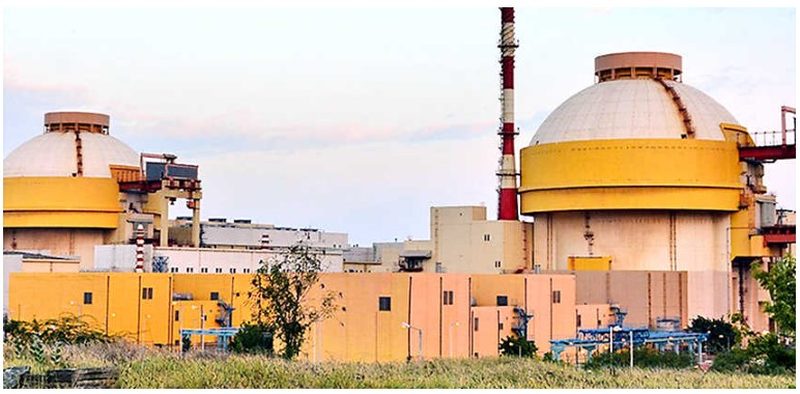
While the world runs its reactors on uranium, India is pursuing a different nuclear fuel: thorium. The country holds some of the world’s largest thorium reserves, embedded in the monazite sands of its beaches, while its uranium is relatively scarce. For seventy years, Indian nuclear planners have worked toward a three-stage programme that breeds thorium into fissile fuel, promising energy security for centuries. Thorium is not a shortcut; it is a long game, and India is playing it more seriously than any other nation.
Why thorium is attractive
Thorium-232 itself cannot sustain a chain reaction, but it is fertile: absorb a neutron and it transmutes, through protactinium-233, into uranium-233, an excellent fissile fuel. The attractions are strategic and physical. Thorium is three to four times more abundant in the Earth’s crust than uranium, and India has an estimated several hundred thousand tonnes of it. Thorium fuel cycles produce far less long-lived plutonium and minor actinides, easing the waste burden. And uranium-233 is inevitably contaminated with uranium-232, whose intense gamma radiation makes the material extremely difficult to divert for weapons, a built-in proliferation resistance.
India’s three-stage plan
The thorium vision was laid out by Homi Bhabha in the 1950s as a three-stage programme matched to India’s resources. Stage one uses pressurised heavy water reactors running on natural uranium, producing plutonium as a byproduct. Stage two burns that plutonium in fast breeder reactors, which breed more fissile material than they consume while converting thorium blankets into uranium-233. Stage three deploys advanced reactors running on that uranium-233 and thorium, closing the cycle. India has operated stage one for decades, built a fast breeder test reactor, and is commissioning the Prototype Fast Breeder Reactor, the bridge to stage three.
The technical hurdles
If thorium is so good, why isn’t everyone using it? Because the fuel cycle is genuinely hard. Key challenges include:
- Remote fuel fabrication: uranium-233’s gamma activity demands heavily shielded, robotic fuel plants.
- Protactinium chemistry: the intermediate isotope must be carefully managed during reprocessing.
- Breeder reactor complexity: fast reactors using liquid sodium coolant are demanding to build and operate.
- Economic inertia: the world invested in uranium infrastructure for decades, and switching is expensive.
Where the programme stands
Progress has been slower than the founders hoped but real. India’s PHWR fleet reliably produces plutonium; the Fast Breeder Test Reactor has operated for decades; and the 500 MW Prototype Fast Breeder Reactor at Kalpakkam is moving toward commissioning. Research reactors have tested thorium-based fuels, and the Advanced Heavy Water Reactor design is tailored for the thorium-uranium-233 cycle. Internationally, China and others run thorium research programmes, but none has matched India’s sustained institutional commitment across seven decades.
What thorium could mean for India
The prize is energy independence on a civilisational timescale, the kind of strategic autonomy that few nations can even dream of. India’s thorium could theoretically power the country for centuries, insulating it from uranium markets and geopolitics. Thorium reactors could also be designed with passive safety features and smaller waste footprints. Critics note the opportunity cost: decades of investment with commercial thorium power still years away, even as solar and wind have become cheap. The programme’s defenders reply that firm, always-on power has value renewables cannot replace, and that the groundwork is finally nearing payoff.
FAQs
Is thorium itself radioactive? Mildly; thorium-232 is weakly radioactive with a 14-billion-year half-life, and it is handled routinely in mineral sands industries.
Can thorium reactors melt down? Some designs, like molten salt reactors, have inherent safety features, but any reactor needs engineered safety; thorium does not magically eliminate risk.
When will thorium power the grid? Demonstration-scale thorium-fuelled operation is the goal for the coming years, with commercial deployment further out, likely in the 2030s if milestones hold.
Thorium is India’s nuclear destiny deferred: a fuel its founders chose in the 1950s, pursued through decades of patient engineering across generations of scientists, and still waiting for its commercial dawn. Whether it arrives in time to matter for the energy transition is the open question, but no country is better positioned to answer it. The sands of Kerala and Odisha may yet power the India of the next century.
Source: Department of Atomic Energy, India

Khabar 24h Editorial Desk — our explainers are prepared by the Khabar 24h editorial team using AI-assisted research tools, and every piece is reviewed by a human editor before publishing. We do not claim original reporting: our work is turning complex topics into simple, accurate summaries. Spotted an error? Write to contact@khabar24h.com — our corrections policy aims for same-day review.
More from this author →