Scotland’s ‘Lizzie’ fossil was not an early reptile after all
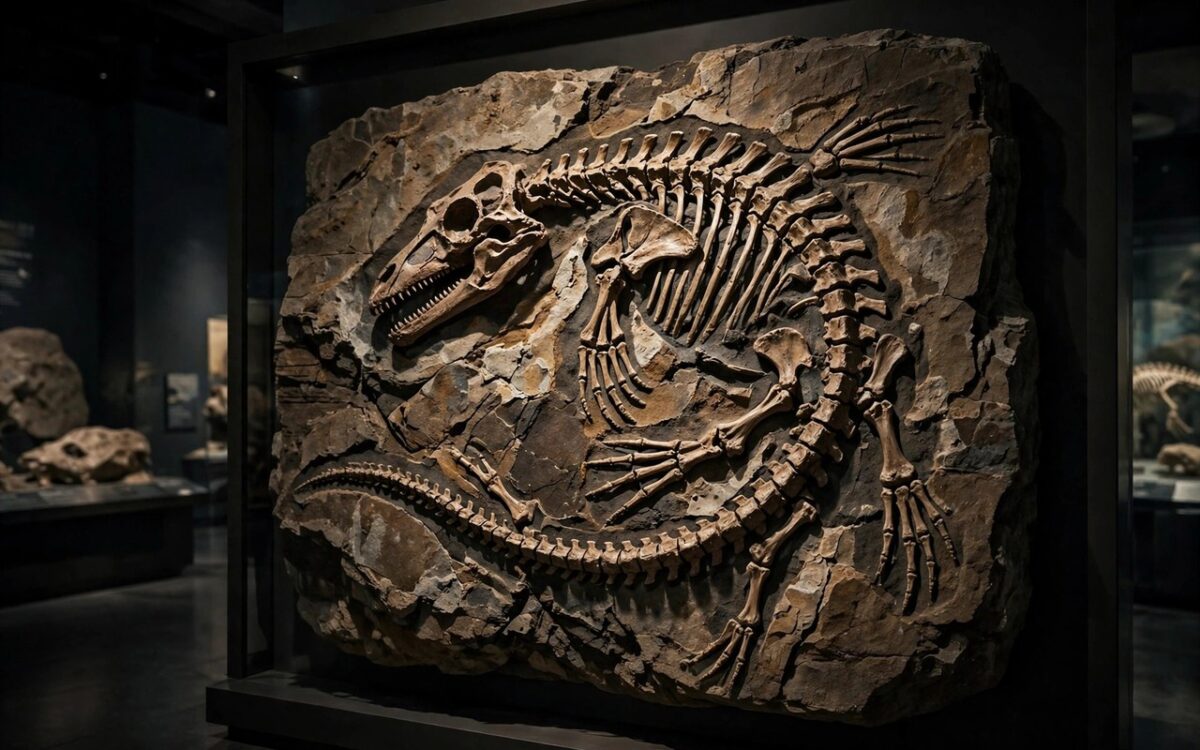
For nearly 30 years, a small Scottish fossil was celebrated as one of the earliest known reptiles. A new study in Nature says that story was wrong. Synchrotron X-ray scans show “Lizzie” was not a land-dwelling reptile ancestor at all.
Westlothiana lizziae, a 345-million-year-old fossil discovered in 1984, was once described as the earliest known reptile. New scans at the European Synchrotron Radiation Facility in Grenoble revealed hidden anatomy: internal gills, a primitive skull and a fish-like mouth lined with thousands of tiny teeth.
The findings point to an aquatic or amphibious animal, far outside the amniote lineage that produced reptiles, birds and mammals. The study was led by researchers at the American Museum of Natural History and the University of Oxford.
The work also rewrites a bigger story. Features once thought exclusive to land-adapted reptiles, such as advanced feet and claw-like toe bones, had already evolved in more primitive, aquatic tetrapods.
“It shows that, although we think of amphibians as being more ‘primitive’ than reptiles today, some of the traits of reptiles were already there in the ancestor of both,” said co-author Roger Benson.

Khabar 24h Editorial Desk — our explainers are prepared by the Khabar 24h editorial team using AI-assisted research tools, and every piece is reviewed by a human editor before publishing. We do not claim original reporting: our work is turning complex topics into simple, accurate summaries. Spotted an error? Write to contact@khabar24h.com — our corrections policy aims for same-day review.
More from this author →
Leave a Reply