Biodegradable Plastics: The Chemistry of Materials That Disappear
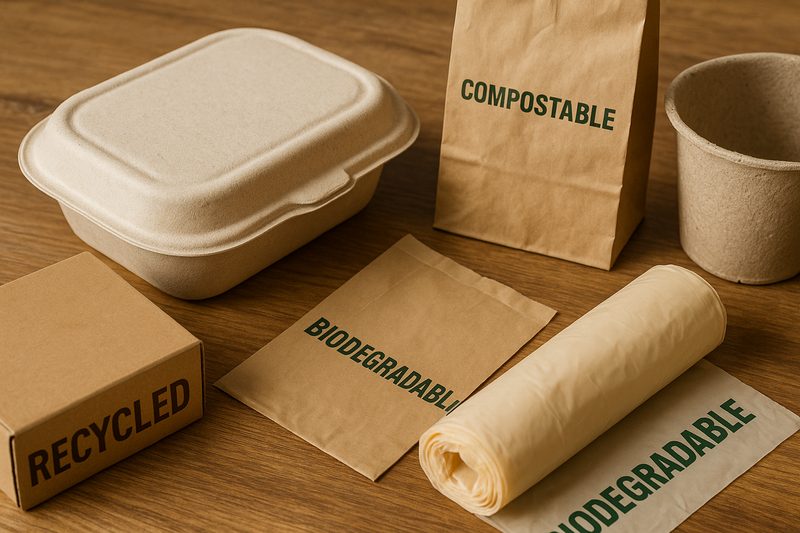
Plastic pollution is among the most visible environmental crises: eight million tonnes entering the oceans yearly, microplastics in rainwater and human blood, landfills accumulating what nature cannot digest. Biodegradable plastics promise an elegant exit: materials that serve their purpose and then, like a fallen leaf, return to carbon dioxide, water and biomass. The chemistry is real, and products from compostable shopping bags to dissolvable packaging already exist. But the fine print is extensive. Biodegradable does not mean it will vanish in your backyard or the ocean; most need industrial composting conditions, and some so-called biodegradable plastics merely fragment into microplastics faster. Understanding which materials truly disappear, under what conditions, and whether they are actually better than conventional plastic requires looking past the labels into the molecules.
What makes a plastic biodegradable
Conventional plastics like polyethylene are long chains of carbon-carbon bonds that microbes never learned to break; they persist for centuries because no enzyme in nature recognises them as food. Biodegradable plastics instead use bonds microbes can attack: ester linkages, as in polylactic acid (PLA), made by fermenting corn starch or sugarcane into lactic acid and polymerising it, or in polyhydroxyalkanoates (PHAs), polyesters that bacteria themselves synthesise as energy stores. Microbes secrete enzymes that snip these ester bonds, progressively dismantling the chain into digestible fragments and ultimately CO2 and water. Starch blends and cellulose films work similarly. The key insight is that biodegradability is a property of the chemical bonds, not of being plant-based: some bio-based plastics, like bio-polyethylene made from sugarcane, are chemically identical to fossil polyethylene and persist just as long, while some fossil-derived plastics, like PBAT, biodegrade readily. Bio-based describes the source; biodegradable describes the fate, and the two are independent.
The composting catch
Here is where promises meet reality. PLA, the commonest biodegradable plastic, requires sustained temperatures above 55 degrees Celsius with specific microbes to break down, conditions found in industrial composting facilities, not in home compost heaps, landfills or the ocean. In a landfill, PLA behaves much like conventional plastic, persisting for years; in the ocean, effectively indefinitely. India has few industrial composting facilities that accept bioplastics, so compostable bags often end up in ordinary waste streams where their advantage vanishes. Worse, they contaminate recycling: a PLA bottle mixed into PET recycling ruins the batch, and consumers cannot tell them apart. Oxo-degradable plastics, which merely fragment under sunlight via additives, are the worst offenders, creating microplastics faster while claiming greenness; the EU has moved to ban them. Standards exist, like ISO 17088 and India’s own certification, but enforcement and infrastructure lag. A biodegradable plastic without the right end-of-life pathway is a conventional plastic with better marketing.
Where biodegradables genuinely help
None of this means the materials are pointless; it means they need the right applications and systems. Compostable plastics shine where collection for composting exists: food-waste bags that go straight into composting, agricultural mulch films tilled into soil after harvest, and food-service ware at events with dedicated composting. PHAs, which biodegrade even in marine environments, are genuinely promising for applications likely to leak into waterways, like fishing gear. India’s 2022 ban on single-use plastics created demand for alternatives, and certified compostable carry bags are part of the official answer, though experts stress that reduction and reuse outrank any material swap. The deeper fix is systemic: build composting infrastructure, label clearly, keep compostables out of recycling streams, and reserve biodegradables for uses where they will actually biodegrade. Chemistry can make materials that disappear; only systems can make sure they do.
- PLA is made by fermenting plant starch into lactic acid and polymerising it.
- Most PLA needs industrial composting above 55 degrees Celsius to break down.
- Bio-based does not mean biodegradable: bio-polyethylene persists like fossil plastic.
- PHAs, made by bacteria themselves, biodegrade even in marine environments.
- Oxo-degradable plastics fragment into microplastics and are being banned in the EU.
FAQs
Can I compost biodegradable bags at home? Usually not. Home composts rarely sustain the heat and microbes needed; check for home-compost certification, which most products lack.
Are biodegradable plastics better for the climate? Sometimes. Plant-based feedstocks absorb CO2 while growing, but farming, processing and poor end-of-life handling can erase the advantage.
What is the best alternative to single-use plastic? In order: refuse it, reuse durable alternatives, and only then choose certified compostable or recyclable options with proper disposal.
Biodegradable plastics are a real chemical achievement trapped in an infrastructure gap. The molecules are ready to disappear; the systems to let them are still being built.
Compiled by the Khabar 24h Editorial Desk from publicly available sources.

Khabar 24h Editorial Desk — our explainers are prepared by the Khabar 24h editorial team using AI-assisted research tools, and every piece is reviewed by a human editor before publishing. We do not claim original reporting: our work is turning complex topics into simple, accurate summaries. Spotted an error? Write to contact@khabar24h.com — our corrections policy aims for same-day review.
More from this author →