What Is a Constitution? How the World’s Founding Documents Differ
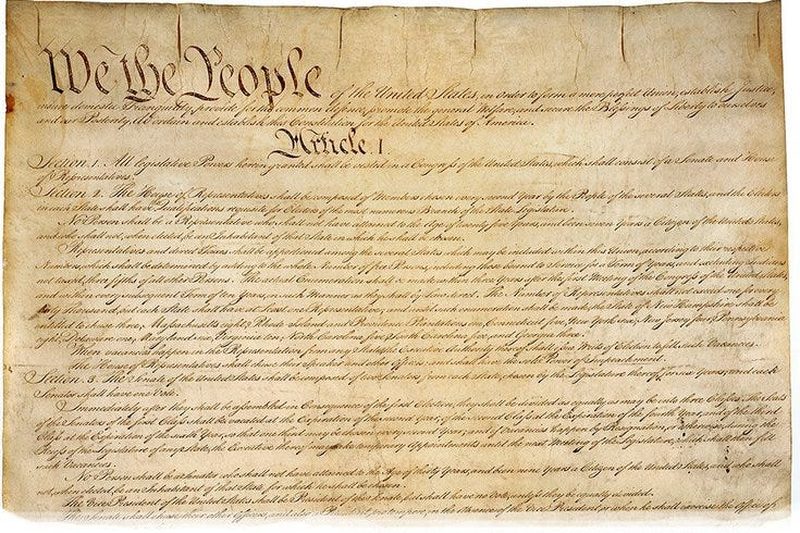
A constitution is a country’s fundamental law — the rulebook that creates institutions, distributes power and guarantees rights. But constitutions differ radically: America’s brief 1787 text versus India’s sprawling 1950 document, Britain’s unwritten conventions versus Germany’s entrenched Basic Law, rigid amendment rules versus flexible ones. This guide compares how the world’s founding documents are made, what they contain and why they endure or fail.
What do constitutions do?
Every constitution performs three jobs. It constitutes power — creating legislatures, executives and courts and defining their relationships. It limits power — through rights, separation of powers and federalism, ensuring rulers remain servants of the ruled. And it legitimises power — giving government an authority beyond brute force, rooted in popular consent. Failed constitutions typically fail at the second job: beautiful rights on paper mean nothing without institutions willing to enforce them, as the Soviet Union’s splendid-but-fiction constitution demonstrated.
How do constitutions differ?
The variety is immense. Length: the US Constitution runs about 4,500 words; India’s exceeds 145,000, the world’s longest, detailing everything from official languages to cow protection. Form: most are single written documents; Britain’s is uncodified — statutes, conventions and precedents instead of one text; Israel manages with Basic Laws. Amendment: America’s is famously rigid (27 amendments in 235 years); India’s has been amended over 100 times; Germany’s Basic Law makes human dignity unamendable. Judicial review: some constitutions empower courts to void laws (US, India, Germany); others, like Britain’s, preserve parliamentary sovereignty.
How are constitutions made?
Origins shape legitimacy. America’s was drafted in secret by 55 men in Philadelphia; India’s by a 299-member Constituent Assembly debating for three years under Ambedkar’s stewardship — the most deliberative founding of any major democracy. Post-war Germany’s Basic Law was written under Allied supervision as a provisional text that became permanent. South Africa’s 1996 constitution emerged from negotiated revolution, the global gold standard of inclusive constitution-making. Imposed constitutions (Japan’s American-drafted text) can succeed; democratic ones (many Latin American texts) can fail — process matters, but politics matters more.
Why do some constitutions survive?
Constitutional endurance puzzles scholars: the average constitution lasts about 19 years, yet America’s is 235 and India’s 75. Survivors share traits.
- Vagueness as virtue: broad principles (due process, equality) let generations reinterpret; hyper-detail breeds obsolescence.
- Amendment balance: rigid enough to protect fundamentals, flexible enough to adapt — India’s basic-structure doctrine exemplifies the balance.
- Institutional buy-in: constitutions survive when powerful actors find them useful — courts, parties, armies all invested.
- Popular reverence: America’s civic religion around its text, India’s Constitution Day celebrations — legitimacy compounds.
- Luck: no constitution survives determined destruction; endurance partly reflects the absence of fatal crises.
Constitutions are simultaneously law, politics and myth — legal texts, power maps and national stories. The world’s most successful ones share a paradox: they constrain the powerful while empowering them, they entrench principles while permitting change. That balance, not any particular provision, is the secret of constitutional endurance.
Constitutions under stress
The 21st century is testing constitutional endurance. Democratic backsliding — in Hungary, Turkey, Venezuela — often proceeds constitutionally: elected leaders amend, pack courts and rewrite rules legally, exposing how parchment constrains only those who respect it. Meanwhile, demands for new rights (digital privacy, climate, data) press old texts into new service. Scholars debate whether to write new constitutions for the digital age or stretch old ones; the endurance champions reply that broad principles have always absorbed new realities. The next decades will show whether 18th- and 20th-century texts can govern 21st-century power.
What is the world’s oldest constitution?
San Marino claims 1600, but among major states America’s 1787 text is the oldest still operating — short, vague and endlessly reinterpreted, which may be exactly why it survived through civil war, depression and deep polarisation.
FAQs
Which country has the longest constitution?
India’s, at over 145,000 words — the world’s longest — compared to about 4,500 for the famously brief US Constitution.
Does Britain have a constitution?
Yes, but uncodified: statutes, conventions, precedents and works of authority instead of a single document, with Parliament sovereign.
What is Germany’s eternity clause?
Article 79(3) of the Basic Law makes human dignity and the democratic order unamendable — a direct response to the Nazi era.
Source: International IDEA

Khabar 24h Editorial Desk — our explainers are prepared by the Khabar 24h editorial team using AI-assisted research tools, and every piece is reviewed by a human editor before publishing. We do not claim original reporting: our work is turning complex topics into simple, accurate summaries. Spotted an error? Write to contact@khabar24h.com — our corrections policy aims for same-day review.
More from this author →