Namami Gange: Inside the Mission to Clean the Ganga
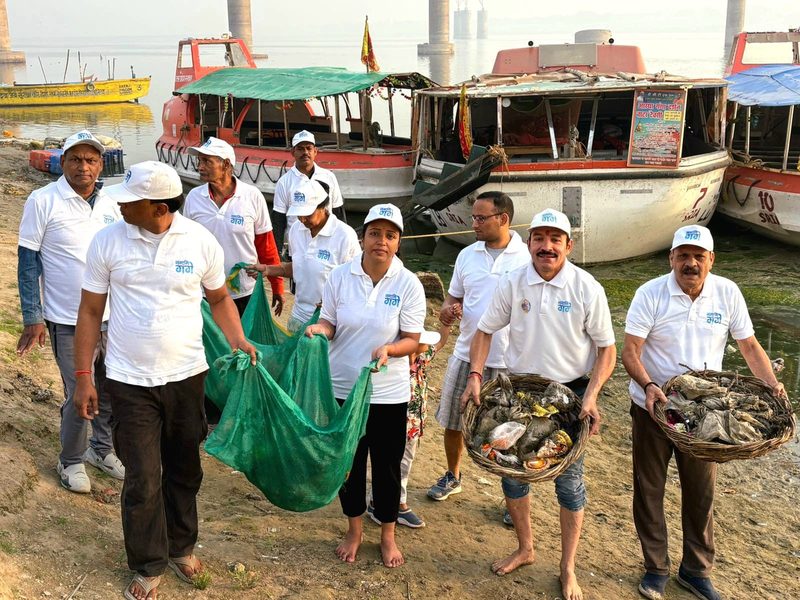
The Ganga is India’s most sacred river and, for much of its urban length, one of its most polluted: untreated sewage, industrial effluents and ritual waste flowed into it for decades while clean-up programmes came and went. Namami Gange, approved in 2014 with a budget of 20,000 crore rupees as a flagship programme, promised a different approach: a comprehensive, river-basin mission tackling sewage, industry, ecology and public engagement together, implemented through the National Mission for Clean Ganga. A decade on, hundreds of sewage treatment projects have been completed, river water quality shows measurable improvement in stretches, and the mission has entered a second phase. This explainer assesses what Namami Gange built and what the river’s data says.
The sewage core
The mission’s central diagnosis was that sewage, not industry, is the Ganga’s biggest polluter: of the wastewater entering the river, the overwhelming share is municipal sewage. Namami Gange therefore prioritised sewage treatment infrastructure in the towns along the main stem: new sewage treatment plants, rehabilitation of old ones, and sewer networks to carry waste to the plants. Over a hundred projects were sanctioned, adding hundreds of millions of litres per day of treatment capacity. A novel hybrid annuity model brought private operators in to build and operate plants with performance-linked payments. The goal was to ensure that by the mid-2020s, no untreated sewage from the main-stem towns would reach the river.
Industry, ghats and ecology
Beyond sewage, the mission targeted industrial pollution through stricter monitoring of grossly polluting industries, real-time effluent monitoring and closure orders for violators, particularly tanneries in Kanpur and other clusters. Riverfront development, ghat cleaning and crematoria modernisation addressed the visible pollution of rituals and solid waste. Ecological measures included afforestation along the river, biodiversity conservation for the Gangetic dolphin and other species, and efforts to maintain environmental flows. Public engagement, through Ganga task forces, volunteer programmes and the annual Ganga Utsav, tried to build the cultural constituency for a clean river.
What the water quality data shows
Monitoring by the Central Pollution Control Board shows improvement: dissolved oxygen levels, the key indicator of a river’s health, have improved along much of the main stem, and stretches that were critically polluted now meet bathing-water standards for much of the year. The transformation is most visible at places like Varanasi, where new treatment capacity and interceptor sewers cut the direct discharge of sewage. But the data also shows the limits: faecal coliform counts remain high in stretches, non-point pollution from agriculture and open drains persists, and tributaries like the Yamuna bring their own heavy pollution loads. The river is cleaner, not clean.
The second phase
Namami Gange’s second phase extends the mission to tributaries and deepens the focus on the things the first phase underplayed: faecal sludge management in towns without sewers, reuse of treated wastewater, and the ecological health of the basin. The Arth Ganga concept promotes economic activities linked to a clean river, from organic farming in the basin to river tourism, aiming to make cleanliness pay. The mission’s institutional model, a dedicated authority with central funding and state implementation, is being held up as a template for other river-cleaning efforts.
Lessons from the clean-up
Namami Gange’s record offers broader lessons. Dedicated funding and a single mission authority outperform the fragmented efforts of the past. Sewage treatment works, but only with sewer networks, reliable power and operators held to performance standards; a treatment plant without sewers is a monument. Industrial enforcement works when monitoring is continuous and penalties are real. And river cleaning is never finished: populations grow, new pollution sources emerge, and the infrastructure needs perpetual operation and maintenance. The Ganga will never be pristine, but the mission has shown that a great river can be made significantly cleaner within a decade of focused effort.
FAQs
What is Namami Gange? The central government’s flagship programme, approved in 2014 with Rs 20,000 crore, to clean and rejuvenate the Ganga through sewage treatment, industrial control and ecological measures.
Has the Ganga’s water quality improved? Yes, measurably: dissolved oxygen has improved along much of the main stem, though faecal contamination and tributary pollution remain concerns.
What is Arth Ganga? The concept of linking the river’s cleanliness to economic activities like organic farming, tourism and livelihoods, so that a clean Ganga pays for itself.
Namami Gange will be judged by a simple standard: can a child safely bathe in the Ganga at Varanasi or Kanpur? The mission has moved the river closer to that standard than any previous effort. Finishing the job is the work of the next decade.
Source: Press Information Bureau
Related stories
View all →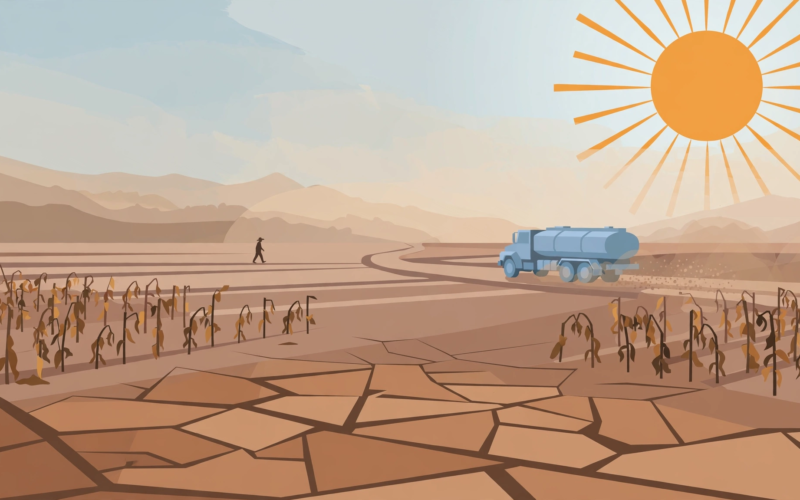
Maharashtra Declares Drought in 265 Talukas, Announces Relief
The Maharashtra government has declared drought in 265 of the state’s 358 talukas after deficient monsoon rainfall damaged Kharif crops this season.…
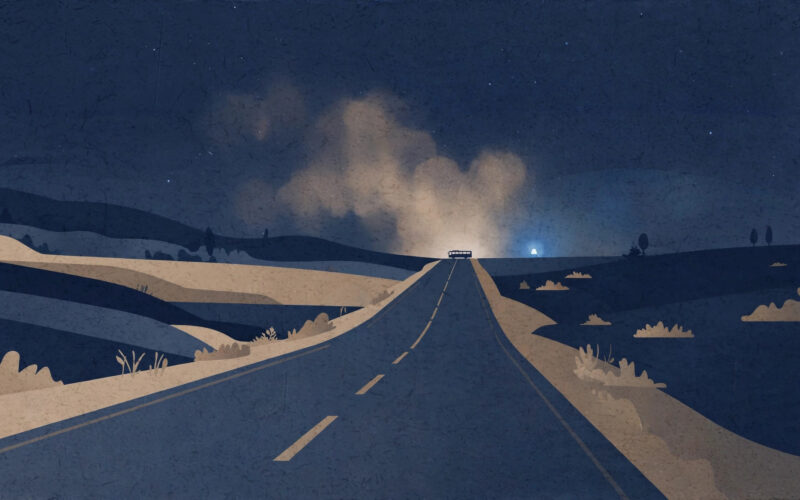
9 Killed as Sleeper Bus Catches Fire on Yamuna Expressway
Nine people were killed after a sleeper bus caught fire on the Yamuna Expressway near Greater Noida. CM Yogi Adityanath has taken…

Asian Games 2026: India’s Medal Tally After Day 6
India's campaign at the Asian Games 2026 crossed the Day 6 mark with medals flowing across disciplines. Here is where the tally…

Khabar 24h Editorial Desk — our explainers are prepared by the Khabar 24h editorial team using AI-assisted research tools, and every piece is reviewed by a human editor before publishing. We do not claim original reporting: our work is turning complex topics into simple, accurate summaries. Spotted an error? Write to contact@khabar24h.com — our corrections policy aims for same-day review.
More from this author →