Pomegranate compound shows early heart promise in lab tests
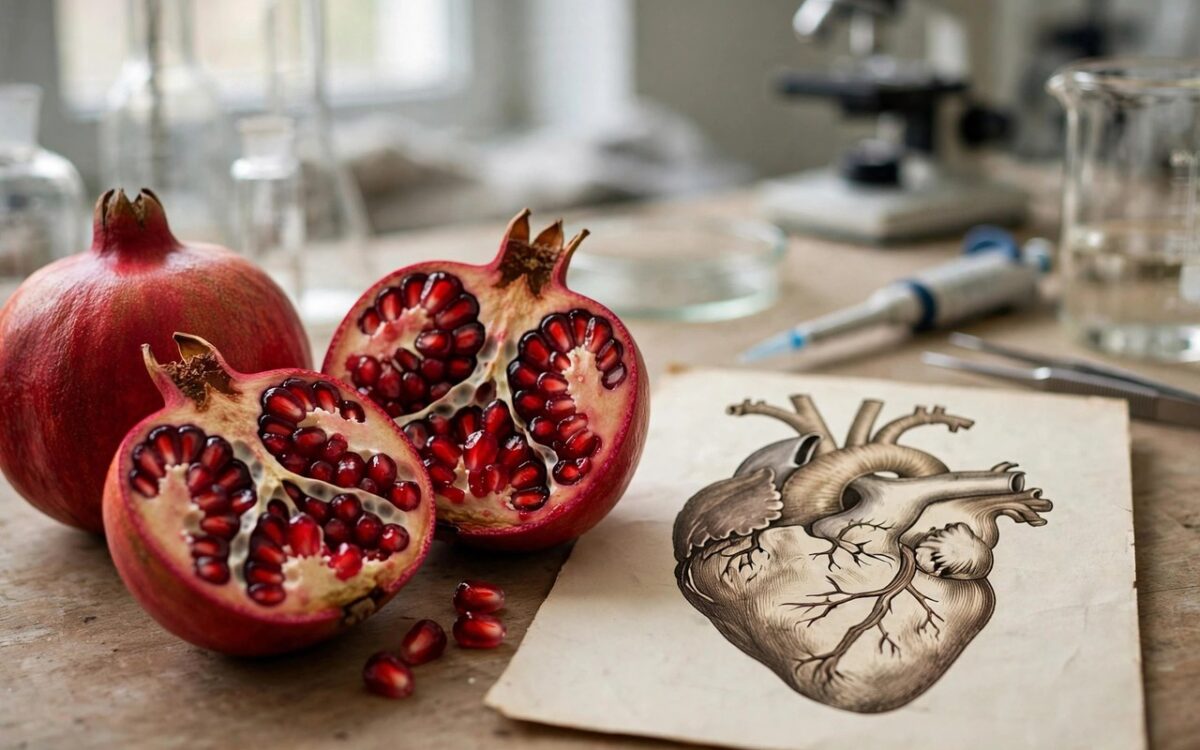
A compound the body makes after eating pomegranates improved heart function by up to 80 per cent in animal models of heart failure, a new study reports.
Researchers at King’s College London tested urolithin A, found in pomegranates, walnuts and some berries. The results were published in the journal Science Advances.
The compound activated a protein called PKG1a that helps heart muscle relax and pump properly. The team also saw benefits in engineered human heart tissue grown from stem cells. The tests focused on heart failure with preserved ejection fraction, a common and hard-to-treat form of the disease. The paper was authored by Jie Su and colleagues. PKG1a is a protein that helps heart muscle relax between beats, which is critical for proper pumping.
Scientists stress the work is early. Animal and lab results do not always translate to people, and clinical trials are needed before any treatment could be considered.
Context: heart failure affects tens of millions of people worldwide, and new treatment options are urgently needed.

Khabar 24h Editorial Desk — our explainers are prepared by the Khabar 24h editorial team using AI-assisted research tools, and every piece is reviewed by a human editor before publishing. We do not claim original reporting: our work is turning complex topics into simple, accurate summaries. Spotted an error? Write to contact@khabar24h.com — our corrections policy aims for same-day review.
More from this author →
Leave a Reply