Type 2 Diabetes Medicines Explained: Metformin, GLP-1s and What Is Available in India
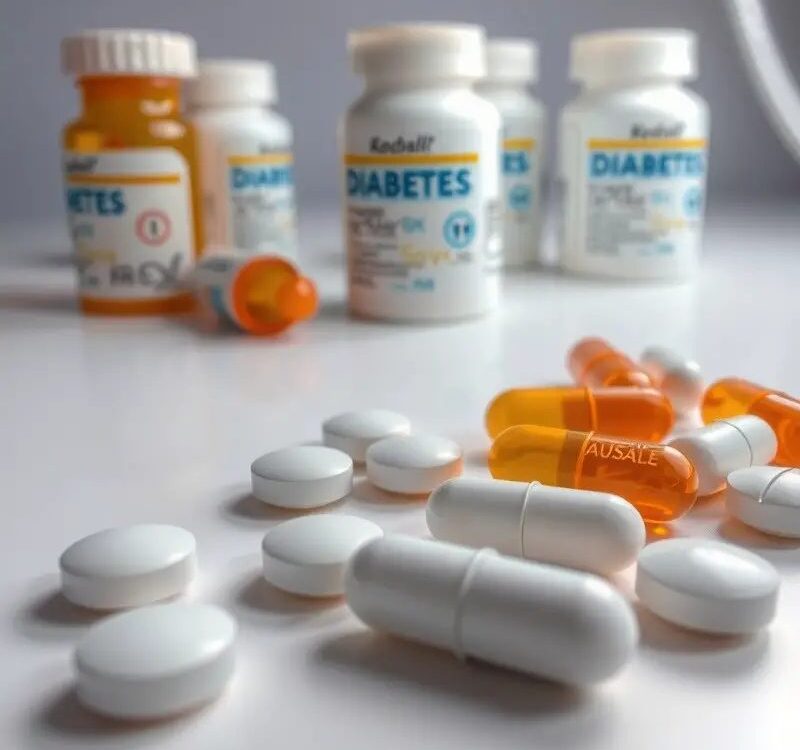
A diabetes diagnosis in India once meant a lifetime of metformin and little else. Today the medicine cabinet has expanded dramatically: SGLT2 inhibitors that protect heart and kidneys, DPP-4 inhibitors, and the headline-making GLP-1 receptor agonists, weekly injections that lower sugar while melting weight. With India home to over 100 million diabetics, understanding these options matters enormously, for patients navigating prescriptions and families managing costs. This guide explains how each major class works, what is available and affordable in India, and how doctors assemble them into treatment.
Metformin: the trusted first line
Metformin remains the world’s most prescribed diabetes drug, and for good reason. It reduces glucose production by the liver and improves insulin sensitivity, without causing weight gain or, by itself, hypoglycaemia. Decades of safety data, tiny cost (a few rupees a day for generics) and evidence of cardiovascular benefit keep it the default starting drug in Indian and global guidelines. Its main drawbacks are gastrointestinal: nausea, diarrhoea and abdominal discomfort affect many starters, though extended-release versions and gradual dose escalation help. Long-term use can lower vitamin B12 levels, worth checking periodically. Rarely, in kidney failure or severe illness, it risks lactic acidosis, which is why doctors monitor kidney function. For most newly diagnosed patients, metformin is where treatment begins.
SGLT2 inhibitors and DPP-4 inhibitors
SGLT2 inhibitors, drugs like dapagliflozin and empagliflozin, work through the kidneys, flushing excess glucose into the urine. Beyond sugar control, landmark trials showed they reduce heart failure hospitalisation, slow kidney disease progression and lower cardiovascular death, benefits that extend even to non-diabetics with heart or kidney disease. Indian generics have brought monthly costs down to a few hundred rupees, making them increasingly standard second-line therapy. Side effects include genital fungal infections and increased urination; rare but serious risks include ketoacidosis and, very rarely, Fournier gangrene. DPP-4 inhibitors, sitagliptin, vildagliptin and linagliptin, prolong the action of natural gut hormones, lowering sugar modestly with excellent tolerability and weight neutrality. They are gentle but less powerful, popular in India as affordable add-ons, though they lack the organ-protection evidence of SGLT2 inhibitors and GLP-1s.
GLP-1 receptor agonists: the game changers
GLP-1 drugs, semaglutide, dulaglutide, liraglutide and the dual agonist tirzepatide, mimic a gut hormone that boosts insulin release, suppresses glucagon, slows stomach emptying and quiets appetite. The results are striking: substantial HbA1c drops, 10 to 20 per cent weight loss in many users, and proven cardiovascular and kidney benefits. Weekly injections (and now oral semaglutide) have made them practical. In India, they are available but expensive: branded versions can cost many thousands per month, though Indian manufacturers are bringing generics and biosimilars that are steadily lowering prices. Side effects centre on nausea, vomiting and reduced appetite, usually settling with dose titration; rare risks include pancreatitis and gallbladder issues. They are not cosmetic weight-loss drugs for the non-diabetic without medical supervision, despite social media hype.
Insulin: still indispensable
Insulin carries an unfair stigma in India, seen as a last resort or a failure. In reality, it is the most powerful glucose-lowering therapy and essential when the pancreas can no longer keep up, during pregnancy, severe illness, or when HbA1c remains very high. Modern basal insulins like glargine provide steady 24-hour coverage with low hypoglycaemia risk, and Indian biosimilars keep costs manageable. Insulin pens have replaced most syringes for convenience. The main risks are hypoglycaemia and weight gain, both manageable with education and dose adjustment. Delaying needed insulin out of fear allows years of high sugar to damage eyes, kidneys and nerves; starting it when indicated is good medicine, not defeat.
How doctors choose: the Indian reality
Guidelines suggest personalising therapy around the patient’s complications, hypoglycaemia risk, weight, kidney function and, crucially in India, affordability. A young obese diabetic with heart risk might get metformin plus an SGLT2 inhibitor; an elderly patient prone to lows might get a DPP-4 inhibitor; severe hyperglycaemia may need insulin from the start. Cost shapes everything: a theoretically ideal regimen is useless if the patient cannot sustain it, so Indian doctors routinely balance efficacy with the monthly bill, using generics aggressively. Treatment also escalates: diabetes is progressive, and needing a second or third drug over the years reflects the disease, not personal failure. Regular HbA1c monitoring every three to six months guides every adjustment.
FAQs
Can diabetes medicines be stopped once sugar normalises? Occasionally in early, mild cases with major lifestyle change, but most patients need lifelong therapy; stopping usually lets sugar rebound. Never stop without your doctor.
Are generic diabetes drugs as good as branded? Indian generics from reputable manufacturers are bioequivalent and widely used; the key is buying from trusted pharmacies, not the brand name.
Do these drugs damage the kidneys? The opposite for SGLT2 inhibitors and GLP-1s, which protect kidneys; uncontrolled sugar is what destroys them. Metformin needs dose adjustment in kidney disease but does not cause it.
Diabetes medicines have never been more effective, and in India, never more accessible, with generics compressing costs every year. The art lies in matching the drug to the patient: metformin’s reliability, SGLT2 inhibitors’ organ protection, GLP-1s’ transformative power, insulin’s indispensability. Taken consistently alongside lifestyle change, they turn a feared diagnosis into a managed condition.
Compiled by the Khabar 24h Editorial Desk from publicly available sources.

Khabar 24h Editorial Desk — our explainers are prepared by the Khabar 24h editorial team using AI-assisted research tools, and every piece is reviewed by a human editor before publishing. We do not claim original reporting: our work is turning complex topics into simple, accurate summaries. Spotted an error? Write to contact@khabar24h.com — our corrections policy aims for same-day review.
More from this author →