Salt and Sodium in Indian Diets: How Much Is Too Much
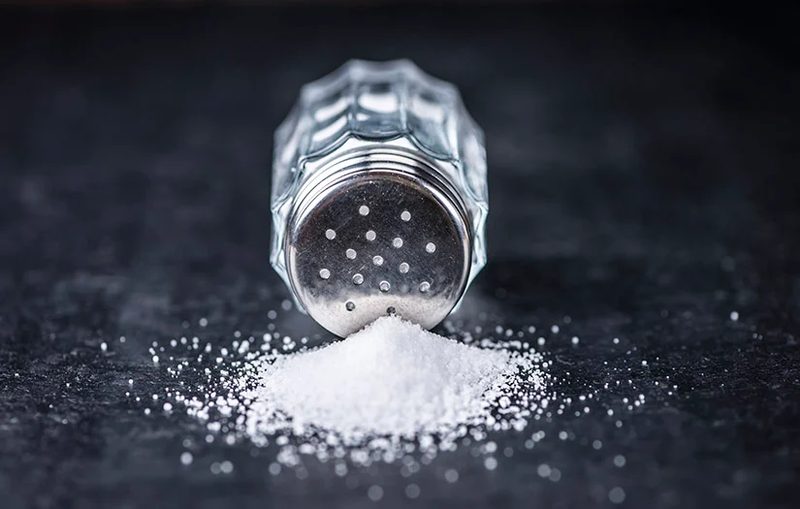
Salt is the soul of Indian cooking and, in excess, one of its quietest killers. The World Health Organization recommends under 5 grams of salt a day, roughly a teaspoon, yet average Indian intake is estimated at nearly double that. Excess sodium raises blood pressure, the leading risk factor for strokes and heart attacks, and contributes to kidney disease, stomach cancer risk and calcium loss from bones. Because salt is woven into pickles, papads, chaats and packaged snacks, cutting back feels like an attack on flavour itself. It is not: the palate adapts within weeks, and smarter salting keeps food delicious at far lower sodium.
How much is too much?
The numbers are clear. Under 5 grams of salt (2,000 mg of sodium) daily is the WHO target for adults; the American Heart Association suggests moving toward 1,500 mg of sodium for ideal heart health. Children need proportionally less. Most Indians consume 8 to 11 grams, with men, urban residents and heavy consumers of processed food at the higher end. The relationship with blood pressure is dose-dependent: cutting about 4 grams of daily salt typically drops systolic pressure by several points, enough to meaningfully cut stroke risk across a population. People with hypertension, kidney disease or heart failure need stricter limits set by their doctor. Salt sensitivity varies, but at a population level, less is reliably better.
Where the salt actually comes from
Contrary to assumption, the salt shaker is only part of the story. In Indian diets, major contributors include pickles, papads, salted snacks like bhujia and namkeen, chaat masalas, processed and packaged foods, bread, cheese, butter, and restaurant and street food cooked with a heavy hand. Soy sauce, often used generously in Indo-Chinese cooking, is extremely sodium-dense. Even breakfast cereals and biscuits carry surprising sodium. A single restaurant meal can deliver a full day’s allowance. The practical insight: the biggest wins come from taming processed foods, pickles and eating out, not from unsalting home dal, which typically contributes a modest share.
Why Indians are especially vulnerable
Several factors raise the stakes. South Asians develop hypertension and its complications at lower body weights and younger ages than Western populations, so the same salt load does more damage. High-carbohydrate diets increase the blood-pressure impact of sodium. Potassium intake, which blunts sodium’s effect, is often low because fruit and vegetable consumption falls short of recommendations. Awareness is poor: most hypertensives in India are undiagnosed, and among the diagnosed, control rates are low. Add the rapid growth of packaged and restaurant food, and sodium intake is climbing precisely as vulnerability stays high. This combination makes salt reduction one of India’s most cost-effective public health opportunities.
Cutting salt without killing flavour
The tongue recalibrates: reduce salt gradually over three to four weeks and food soon tastes normal, even better, as subtle flavours emerge.
- Salt late, not early: adding salt toward the end of cooking gives more perceived saltiness per gram.
- Lean on sour and spice: lemon, amchur, imli, hing, jeera and black pepper add punch that salt used to provide.
- Ration the salty extras: treat pickle and papad as condiments, a teaspoon and one piece, not sides.
- Rinse canned foods: washing salted nuts, canned beans or paneer removes surface sodium.
- Cook more at home: home food uses a fraction of restaurant sodium; request less salt when eating out.
- Read labels: compare sodium per 100 grams across brands of bread, sauces and snacks.
What about potassium and salt substitutes?
Potassium helps the kidneys excrete sodium and relaxes blood vessel walls. Fruits, vegetables, dals, bananas, coconut water and milk are rich sources, another reason the thali matters. Low-sodium salt substitutes, which replace some sodium chloride with potassium chloride, genuinely lower blood pressure in trials and are worth considering for hypertensive households. But they are not for everyone: people with kidney disease, those on certain blood pressure drugs like ACE inhibitors or potassium-sparing diuretics, and older adults must check with a doctor first, since excess potassium is dangerous for them. For healthy adults, the substitute shaker is a simple, evidence-backed swap.
FAQs
Is rock salt or pink salt healthier? No. All culinary salts are overwhelmingly sodium chloride; trace minerals are nutritionally trivial. The health move is less salt, not fancier salt.
Do athletes and labourers need more salt? Heavy sweating does lose sodium, and such workers may need more than sedentary adults, but sugary sports drinks are rarely the answer; salted nimbu pani or buttermilk works.
Can cutting salt alone cure hypertension? It helps substantially but is one lever among several: weight, exercise, alcohol, potassium and medication all matter.
Salt reduction is the rare health intervention that costs nothing and starts working in weeks. A lighter hand with the shaker, pickles as garnish rather than course, labels read before buying: these unglamorous habits lower the blood pressure of entire households. In a country where strokes strike young, that is no small thing.
Compiled by the Khabar 24h Editorial Desk from publicly available sources.

Khabar 24h Editorial Desk — our explainers are prepared by the Khabar 24h editorial team using AI-assisted research tools, and every piece is reviewed by a human editor before publishing. We do not claim original reporting: our work is turning complex topics into simple, accurate summaries. Spotted an error? Write to contact@khabar24h.com — our corrections policy aims for same-day review.
More from this author →