Scientists Find ‘Rogue DNA’ Weakness in Some Cancers
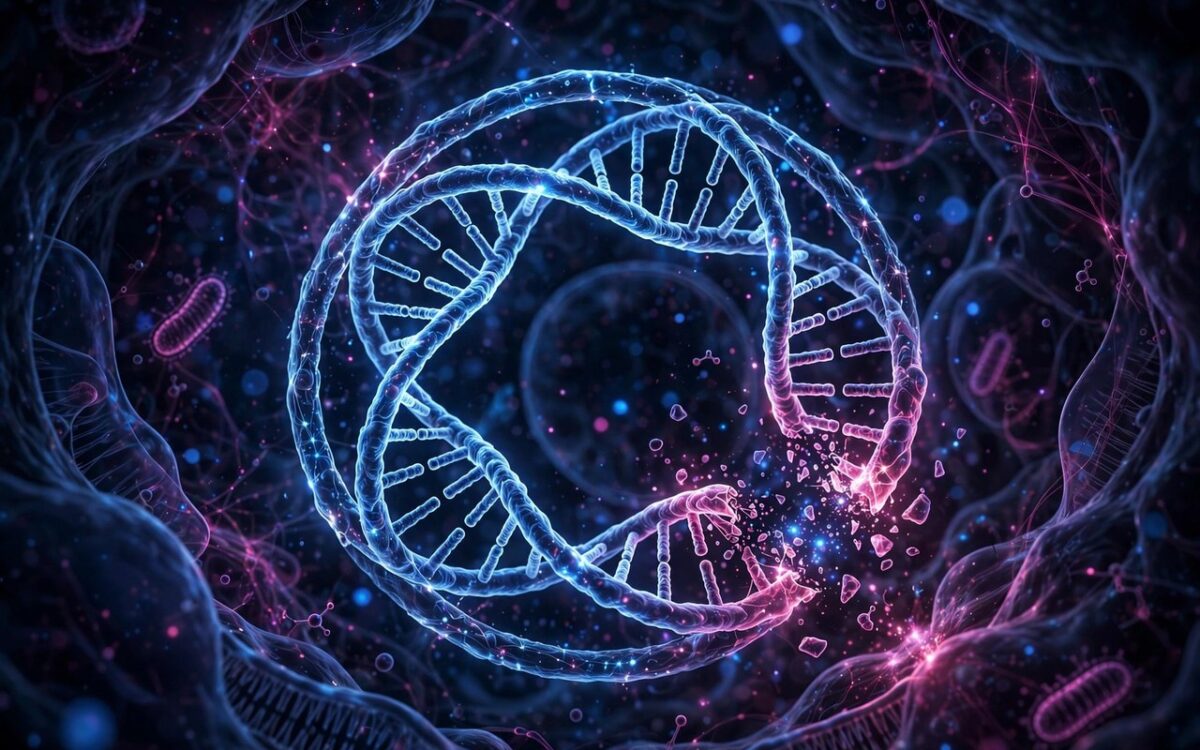
Researchers at Memorial Sloan Kettering Cancer Center have found a built-in weakness in the circular pieces of "rogue DNA" that help some cancers grow, according to a study published in the journal Nature.
The rogue structures, called extrachromosomal DNA or ecDNA, carry extra copies of growth-promoting genes and give tumor cells an advantage. The team found that stretches of DNA called TA repeats can fold into fragile cross-shaped structures, making the circles unusually prone to breaking.
Cancer cells counter this weakness with two proteins: FANCM, which smooths out the fragile structures before they break, and polymerase theta, which repairs breaks afterward. When the researchers blocked polymerase theta with an experimental inhibitor, the ecDNA became unstable and cancer cells gradually lost it, while cells without ecDNA were largely unaffected.
The effect appeared across several cancer cell lines, including prostate, gastric and colorectal cancers, and matched patterns seen in large tumor sequencing datasets. "We were surprised to find that ecDNA has a built-in fragility," said researcher Agnel Sfeir. The findings are early laboratory research, not a treatment, but point to possible future therapy strategies.
Reporting based on: thedebrief.org, scitechdaily.com, www.brightsurf.com.

Khabar 24h Editorial Desk — our explainers are prepared by the Khabar 24h editorial team using AI-assisted research tools, and every piece is reviewed by a human editor before publishing. We do not claim original reporting: our work is turning complex topics into simple, accurate summaries. Spotted an error? Write to contact@khabar24h.com — our corrections policy aims for same-day review.
More from this author →
Leave a Reply