Endometriosis: The Painful Condition Women Wait Years to Get Diagnosed
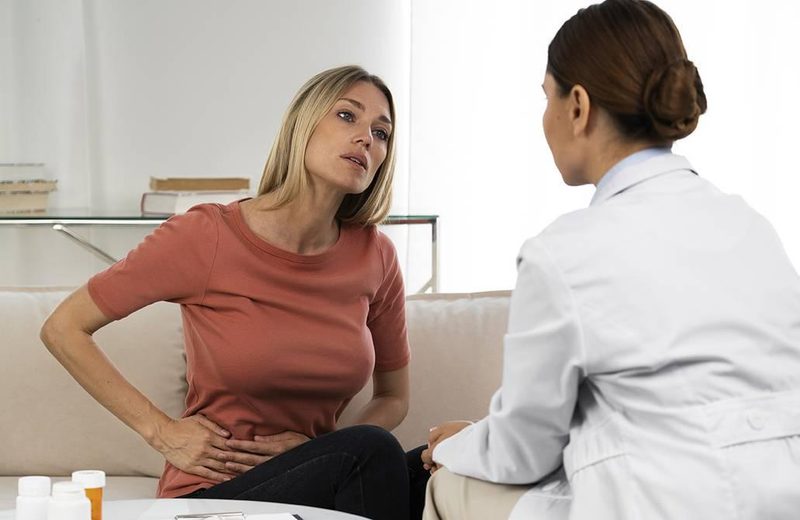
For millions of women, periods are not just uncomfortable but genuinely debilitating: pain so severe it causes vomiting, fainting or days off work, month after month. The commonest cause of such pain has a name most women have never heard: endometriosis, a condition where tissue similar to the uterine lining grows outside the uterus, on the ovaries, fallopian tubes, bowel or bladder. It affects roughly one in ten women of reproductive age, yet the average delay from first symptoms to diagnosis is seven to ten years. Those are years of dismissed pain, wrong diagnoses and eroding quality of life. Understanding the condition is the first step to shortening that delay.
What endometriosis is
Each month, the endometrium thickens and sheds as menstruation. In endometriosis, similar tissue implants outside the uterus respond to the same hormonal cycle: they thicken, bleed and inflame, but with no exit, the trapped blood triggers chronic inflammation, scarring and adhesions that glue organs together. Lesions can form ovarian cysts called endometriomas or chocolate cysts, and deep infiltrating disease can invade the bowel or bladder wall. The severity of pain correlates poorly with the extent of disease: tiny implants can cause agony while extensive disease sometimes causes little pain. The cause is not fully understood; retrograde menstruation, immune dysfunction and genetic predisposition all play roles. It is oestrogen-dependent, typically improving after menopause.
Symptoms that should raise suspicion
Pain is the headline, in several characteristic forms. Dysmenorrhoea, period pain that worsens over the years, resists painkillers and disrupts life, is the classic presentation; pain that is getting worse year on year is never normal. Chronic pelvic pain between periods, pain during intercourse (dyspareunia), painful bowel movements or urination especially during menstruation, heavy or irregular bleeding, and fatigue are other flags. Infertility is strongly associated: endometriosis is found in up to half of women evaluated for infertility, as inflammation and scarring impair egg, sperm and embryo function. Because these symptoms overlap with IBS, urinary infections and ordinary cramps, women are frequently misdiagnosed for years. Any period pain that regularly needs more than basic painkillers deserves gynaecological evaluation.
Why diagnosis takes so long
The delay is systemic. Girls are taught that painful periods are normal and to endure them silently. Primary care doctors, pressed for time, often prescribe painkillers without investigating. Ultrasound, the first-line imaging, misses superficial disease, giving false reassurance. Definitive diagnosis historically required laparoscopy, keyhole surgery to visualise lesions, which doctors hesitate to recommend and patients hesitate to accept. In India, additional barriers include reluctance to discuss menstrual and sexual symptoms, limited awareness even among general practitioners, and the cost of specialist care. Newer approaches, expert ultrasound and MRI by trained eyes, clinical diagnosis based on history, are reducing the need for surgery-first diagnosis, but awareness remains the bottleneck.
Treatments that actually help
Treatment is tailored to symptoms, age and fertility plans; there is no permanent cure short of menopause, but control is very achievable.
- NSAIDs: ibuprofen or mefenamic acid started just before periods help mild pain.
- Hormonal therapy: combined pills, progestin-only pills, hormonal IUDs and injections suppress the cycle and starve lesions; first-line for most.
- GnRH analogues: powerful suppression for severe cases, used short-term with add-back therapy to protect bones.
- Laparoscopic surgery: excision of lesions by an experienced surgeon helps pain and fertility, though recurrence is possible.
- Fertility treatment: IVF has excellent success rates when endometriosis impairs conception.
- Supportive care: pelvic physiotherapy, pain management programmes and psychological support address the chronic-pain dimension.
Hysterectomy is a last resort, not a first step, and does not guarantee cure if lesions remain.
Living with endometriosis
Chronic pain reshapes life: careers, relationships and mental health all take hits, and depression and anxiety are common companions. Building a care team, a gynaecologist experienced in endometriosis, a pain specialist and, where needed, a counsellor, changes outcomes. Tracking symptoms across cycles gives doctors actionable data. Heat, gentle exercise, anti-inflammatory eating patterns and stress management help some women, though none replaces medical therapy. Workplace understanding matters: endometriosis is a legitimate medical condition, not poor pain tolerance. Patient communities, increasingly active in India, provide the validation and practical tips that medicine alone cannot.
FAQs
Does endometriosis always cause infertility? No. Many women with endometriosis conceive naturally; risk rises with severity, and treatment restores fertility for most.
Will pregnancy cure it? Pregnancy often suppresses symptoms temporarily, but it is not a treatment or a cure; symptoms typically return.
Can it become cancer? Malignant transformation is rare; endometriosis is benign, though it deserves proper follow-up.
Endometriosis hides in plain sight behind the normalisation of women’s pain. Severe, worsening period pain is a medical problem with medical solutions, and no woman should wait a decade to hear that. Earlier suspicion, better imaging and honest conversation can collapse those lost years.
Compiled by the Khabar 24h Editorial Desk from publicly available sources.

Khabar 24h Editorial Desk — our explainers are prepared by the Khabar 24h editorial team using AI-assisted research tools, and every piece is reviewed by a human editor before publishing. We do not claim original reporting: our work is turning complex topics into simple, accurate summaries. Spotted an error? Write to contact@khabar24h.com — our corrections policy aims for same-day review.
More from this author →