Atmospheric rivers are pumping more moisture into the Arctic
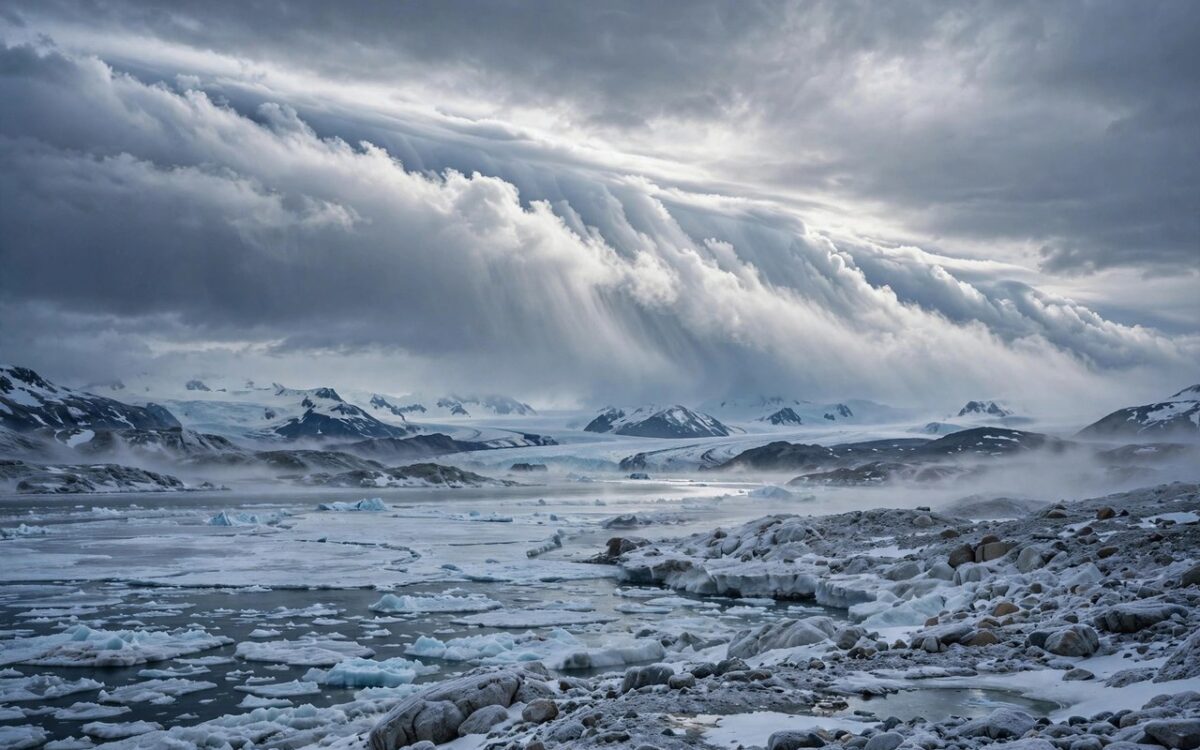
Large shifts in atmospheric circulation have increased atmospheric river activity, sending more summer moisture into the Arctic, a new study finds. Atmospheric rivers are long, narrow bands of water vapour in the sky. They are best known for drenching the US West Coast, but they also reach the eastern United States and the far north. The research, highlighted by NOAA, links the rise in Arctic moisture to broad changes in how air moves around the planet. More moisture in the Arctic summer can mean more rain, faster ice melt and shifts in ecosystems. The study is one of several recent NOAA-backed findings on how the water cycle is changing. Others include new detail on tropical cyclone links to the Madden-Julian Oscillation, and a discovery about deep water transport in the Atlantic. For scientists, atmospheric rivers are a reminder that far-away weather systems are connected. A wetter Arctic can feed back into global patterns, affecting everything from sea ice to mid-latitude storms. The findings do not change the big picture of warming, but they add a missing piece. Understanding where extra moisture goes helps models project how the Arctic, the fastest-warming region on Earth, will look in the decades ahead.
Related stories
View all →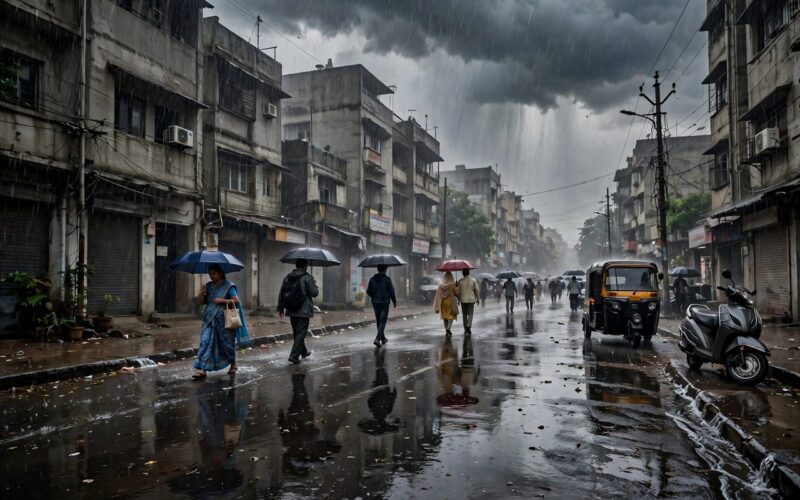
IMD predicts heavy rain in Kerala, TN, Bengal and Sikkim
The India Meteorological Department has forecast heavy rain in several states on October 9. Isolated places in Kerala, Tamil Nadu and Puducherry…
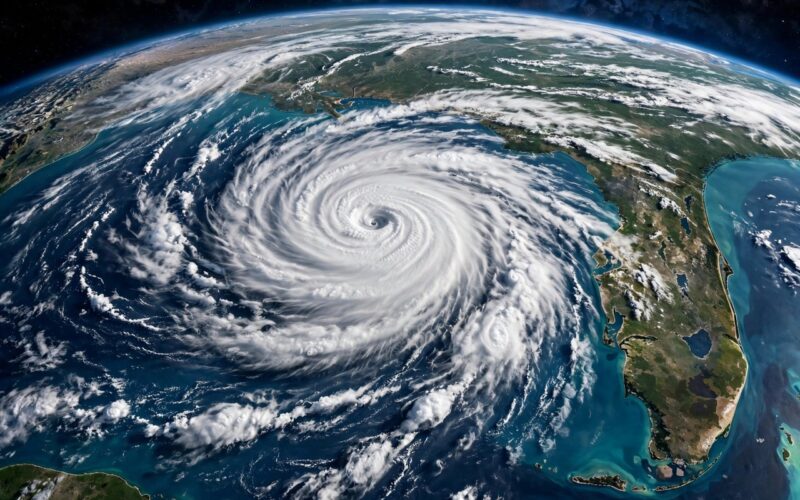
Hurricane Isaias to Hit Florida Tonight as Major Category 3 Storm
Hurricane Isaias is expected to make landfall near the Florida Panhandle on Friday evening with 111 mph winds, a 9-foot surge and…
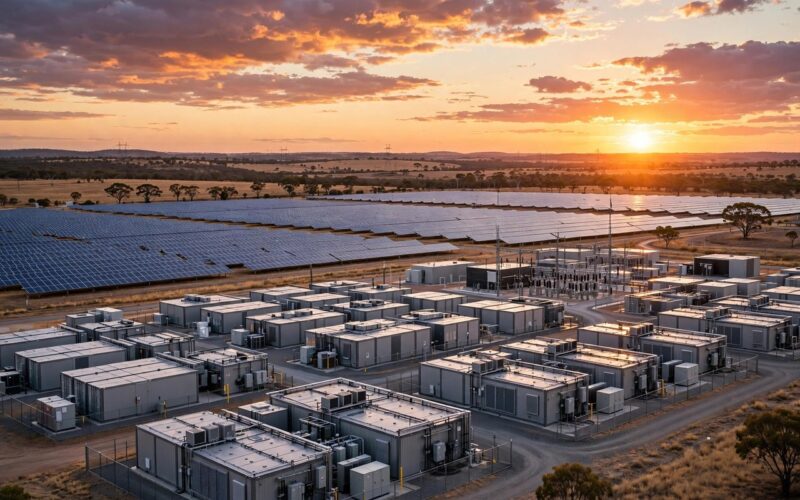
Australia’s biggest coal plant to get 8,600 MWh battery
Origin Energy will expand the battery beside Australia's biggest coal station to 8,600 MWh, the country's largest grid battery.

Khabar 24h Editorial Desk — our explainers are prepared by the Khabar 24h editorial team using AI-assisted research tools, and every piece is reviewed by a human editor before publishing. We do not claim original reporting: our work is turning complex topics into simple, accurate summaries. Spotted an error? Write to contact@khabar24h.com — our corrections policy aims for same-day review.
More from this author →
Leave a Reply