Gujarati Cinema’s Comeback: How the Industry Reinvented Itself After Decades in Decline
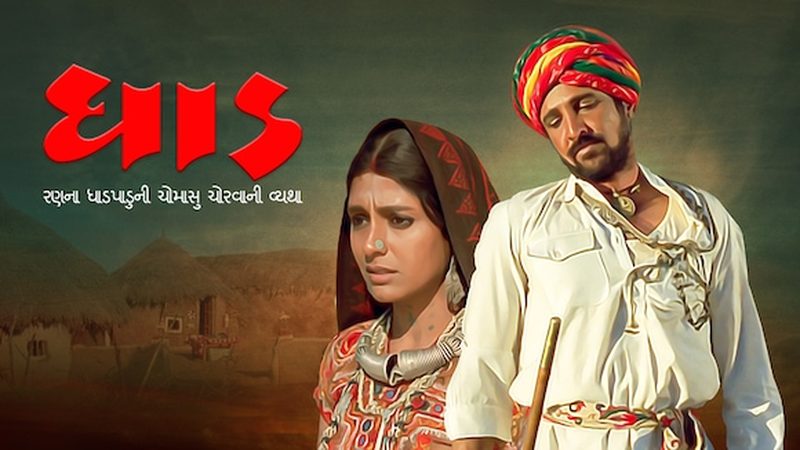
For decades, Gujarati cinema was Indian film’s cautionary tale — a once-vibrant industry reduced to low-budget rural quickies, ignored by urban Gujaratis who preferred Hindi films. Then, in the 2010s, something remarkable happened: a new wave of Gujarati filmmakers began making fresh, urban, critically acclaimed films, and audiences — including the multiplex crowds that had abandoned Gujarati cinema — came back. The comeback is one of Indian regional cinema’s most instructive reinventions.
The long decline
Gujarati cinema’s fall was protracted. From a respectable mid-century industry, it slid into a formula of cheap rural melodramas aimed at a shrinking audience, while urban, affluent Gujaratis — among India’s most prosperous communities — watched Hindi cinema instead. Production values collapsed, talent migrated to Mumbai, and by the 2000s the industry was culturally irrelevant to the very community whose name it carried. Theatres showing Gujarati films dwindled; the industry survived on fumes.
The decline’s root cause was a broken feedback loop: filmmakers made films for a rural audience that was itself shrinking, while ignoring the urban Gujarati audience that had money but no reason to watch. Each bad film confirmed the prejudice that Gujarati cinema was not worth watching, which shrank investment further.
The reinvention
The turnaround began when a new generation — many trained in Mumbai’s film and advertising industries — started making Gujarati films for the audience that had been ignored: urban, multiplex-going Gujaratis. These films were contemporary in sensibility, high in production values, and confident in their Gujarati identity without being parochial. Comedies, dramas and thrillers that could stand beside Hindi multiplex fare, but with local flavour no Hindi film could replicate.
The breakthrough films proved the thesis: urban Gujaratis would watch Gujarati cinema if it respected them. Box office successes — modest by Bollywood standards, transformative by Gujarati ones — attracted investment, drew talent back from Mumbai, and created a virtuous cycle. The industry discovered that its most valuable asset had been there all along: a prosperous, culturally proud community that wanted to see itself on screen, well made.
The comeback playbook:
- Target the ignored audience: urban multiplex-going Gujaratis, not just the rural base.
- Raise production values: films that look and feel contemporary.
- Import talent: Mumbai-trained Gujarati filmmakers returning with craft and ambition.
- Own the identity: confident Gujarati stories rather than Hindi imitations.
- Festival validation: critical acclaim rebuilding the industry’s prestige.
What the new Gujarati cinema looks like
Today’s Gujarati industry produces a diverse slate: sharp urban comedies, heartfelt family dramas, experimental indies and festival selections. Budgets remain modest — the market cannot support extravagance — but efficiency and craft compensate. The industry’s comedies have been particularly successful, tapping into Gujarat’s rich theatrical and humour traditions. More serious filmmakers have won national awards and international selection, restoring the prestige the industry lost decades ago.
Streaming platforms have accelerated the revival, acquiring Gujarati films and commissioning originals, giving the industry a second revenue stream and a national shop window. A good Gujarati film now reaches viewers across India, subtitled — unthinkable in the decline years.
Lessons of the comeback
Gujarati cinema’s reinvention offers a template for any declining regional industry: find the audience you abandoned, make films worthy of them, and let success compound. The key insight was demographic, not artistic — the films improved because the target audience changed, from a shrinking rural base to an affluent urban one with expectations. Talent follows opportunity; once the opportunity existed, the talent came.
Challenges remain: the industry is still small, still dependent on a handful of successes, and still vulnerable to formula fatigue. But the trajectory — from irrelevance to revival in a single decade — is proof that no film industry’s fate is sealed.
FAQs
Why did Gujarati cinema decline? It got trapped making cheap films for a shrinking rural audience while ignoring affluent urban Gujaratis, creating a spiral of low investment and lower quality.
What sparked the comeback? A new generation of Mumbai-trained filmmakers making contemporary, high-quality films for urban Gujarati multiplex audiences — who turned out to be waiting for exactly that.
How big is Gujarati cinema now? Still modest by national standards, but transformed in quality, ambition and cultural relevance — with festival acclaim and streaming reach unimaginable fifteen years ago.
Gujarati cinema’s comeback is Indian film’s best second-act story: an industry that looked finished, remembered who it was for, and rebuilt itself film by film. The decline took decades; the reinvention took one generation’s determination.
Compiled by the Khabar 24h Editorial Desk from publicly available sources.

Khabar 24h Editorial Desk — our explainers are prepared by the Khabar 24h editorial team using AI-assisted research tools, and every piece is reviewed by a human editor before publishing. We do not claim original reporting: our work is turning complex topics into simple, accurate summaries. Spotted an error? Write to contact@khabar24h.com — our corrections policy aims for same-day review.
More from this author →