Special Education in India: Rights, Schools and Support for Children with Disabilities
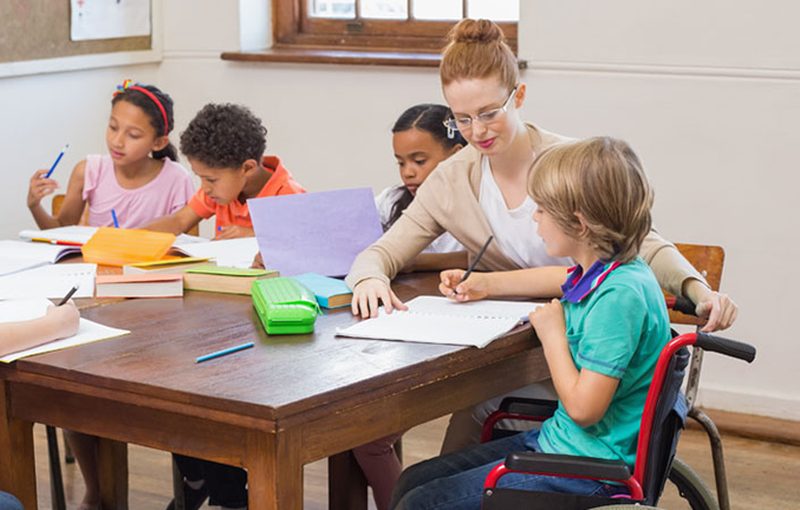
For parents of children with disabilities, the Indian education system can feel like a maze of closed doors — schools that refuse admission, classrooms without support, and bureaucracies that exhaust families. Special education in India has, however, a strong legal foundation: the Rights of Persons with Disabilities Act, 2016 guarantees free education to children with disabilities aged 6-18, and NEP 2020 commits to their full inclusion. Knowing these rights, the school options available and the support systems that exist changes the conversation from charity to entitlement. This guide maps it all.
Legal rights parents must know
The RPWD Act, 2016 recognises 21 disabilities — including autism, intellectual disability, specific learning disabilities, hearing and visual impairment, and chronic neurological conditions — up from 7 in the earlier law. Every child with a benchmark disability (40 per cent or more) has the right to free education in a neighbourhood school or special school of choice, with reservations in higher education (5 per cent) and government jobs. Schools cannot deny admission on grounds of disability — refusal is punishable. The Act mandates reasonable accommodation: scribes, extra time, assistive devices and curriculum adaptation in board examinations, with CBSE, ICSE and state boards all having detailed provisions. Disability certificates, issued by district medical boards, unlock these entitlements — obtaining one early is the single most important administrative step.
School options: inclusive, integrated and special
- Inclusive mainstream schools: regular schools with resource rooms, special educators and adapted teaching — the NEP-endorsed ideal, growing in metros but patchy elsewhere.
- Integrated schools: mainstream schools with dedicated special wings, offering a middle path of peer interaction plus specialised support.
- Special schools: dedicated institutions for specific disabilities (schools for the blind, deaf, intellectually disabled) with trained staff and tailored curricula — the best option for children needing intensive support.
- Home-based education: permitted for children with severe disabilities who cannot attend school, with government support in some states.
The right choice depends on the child’s needs, not ideology: inclusion benefits many, but some children genuinely need special-school environments.
Government support and schemes
The Samagra Shiksha programme funds inclusive education: aids and appliances, reader allowances, transport and escort allowances, and stipends for girls with disabilities. The ADIP scheme provides assistive devices. Scholarships for students with disabilities run from school through PhD, including the National Scholarship Portal’s dedicated schemes. NIOS offers flexible secondary certification with accommodations. State governments add their own layers — free bus passes, fee waivers, and dedicated special schools. The challenge is rarely the absence of schemes but awareness and last-mile delivery; district disability welfare officers and parent NGOs are the best navigators.
Board-exam accommodations that level the field
Boards provide extensive concessions: extra time (usually 20 minutes per hour), scribes or amanuenses, question papers in alternative formats including Braille and large print, exemption from specific subjects like second languages in some cases, and permission for assistive technology. CBSE’s provisions are the most detailed; apply through the school well before Class 10 registration deadlines, with the disability certificate and medical documentation. Schools sometimes resist applying for accommodations from ignorance rather than malice — parents who arrive with the board’s circular in hand usually prevail.
Advocating effectively: a parent’s playbook
Document everything: assessments, certificates, school communications. Build a team — developmental paediatrician, therapists, special educator — and get written recommendations for the accommodations your child needs. When approaching schools, lead with the child’s strengths and specific needs rather than the diagnosis label. Know the grievance ladder: school principal, district education officer, State Commissioner for Persons with Disabilities, and ultimately the courts, which have repeatedly upheld these rights. Connect with parent support groups — veteran parents share lawyer contacts, school blacklists and whitelists, and hard-won tactical knowledge no official guide contains.
FAQs
Can a school refuse admission to my disabled child?
No. Denial of admission on grounds of disability is illegal under the RPWD Act. Complain to the district education officer or State Disability Commissioner.
How do I get a disability certificate?
Apply at the district hospital or through the UDID portal; a medical board assesses the child and issues the certificate and UDID card.
Is inclusive schooling better than special schooling?
It depends on the child. Inclusion offers peer modelling and social growth; special schools offer intensive tailored support. Many families use both at different stages.
India’s disability-education rights are among the strongest on paper in the developing world — the gap is in implementation, and informed parents are the force that closes it. Get the certificate, know the law, choose the schooling model that fits your child, and advocate without apology. Your child is not asking for a favour; they are claiming a right.
Source: Department of Empowerment of Persons with Disabilities

Khabar 24h Editorial Desk — our explainers are prepared by the Khabar 24h editorial team using AI-assisted research tools, and every piece is reviewed by a human editor before publishing. We do not claim original reporting: our work is turning complex topics into simple, accurate summaries. Spotted an error? Write to contact@khabar24h.com — our corrections policy aims for same-day review.
More from this author →