Herbal Medicine Safety: Side Effects and Drug Interactions People Ignore
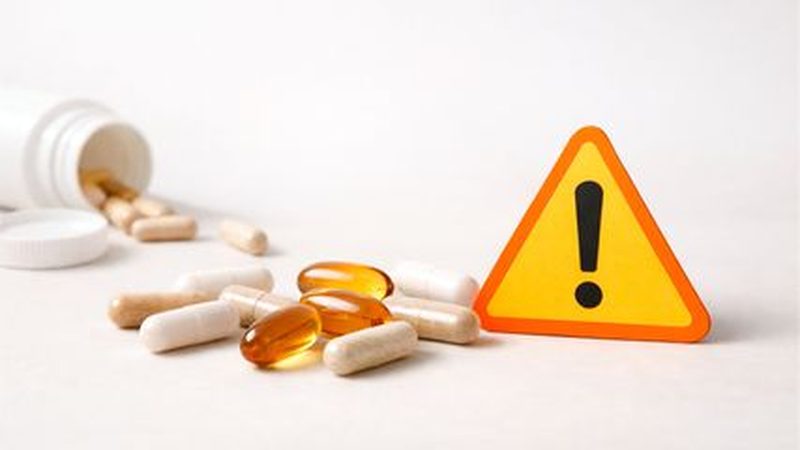
The belief that herbal medicines are automatically safe because they are natural is one of the most persistent and dangerous misconceptions in healthcare. Herbs contain pharmacologically active molecules, and active molecules have side effects, toxicities and interactions, regardless of whether they were synthesised in a lab or grown in a field. Indian hospitals regularly see the consequences: liver injury from prolonged herbal use, bleeding in patients mixing blood thinners with herbal supplements, and kidney damage from aristolochic-acid-containing remedies. Respecting herbal medicine means treating it as real pharmacology, with real risks.
Why natural does not mean safe
Some of the most toxic substances known are natural: botulinum toxin, ricin, arsenic. Medicinal herbs are milder, but the principle holds. A herb that lowers blood sugar will cause hypoglycaemia in the wrong patient; a herb that thins the blood will cause bleeding with anticoagulants; a herb metabolised by the liver will injure the liver in susceptible individuals or at high doses. The safety advantage herbs genuinely have is centuries of human use, which weeds out acutely poisonous preparations, but traditional use never tested for chronic toxicity, drug interactions or effects in combination with modern medicines, because those medicines did not exist.
Side effects people ignore
- Liver injury: herb-induced liver injury is a recognised and growing cause of acute hepatitis in India, linked to prolonged use of concentrated extracts including Giloy, ashwagandha in rare cases, and multi-herb formulations of uncertain composition.
- Kidney damage: aristolochic acid, found in some traditional remedies, causes irreversible kidney failure and urinary-tract cancers.
- Heavy-metal toxicity: certain rasa-shastra preparations contain lead, mercury or arsenic at levels far above safety limits.
- Hormonal effects: phytoestrogenic herbs can affect hormone-sensitive conditions; some herbs alter thyroid function.
- Gastrointestinal and allergic reactions: common, underreported, and occasionally severe.
- Adulteration: studies have found herbal products spiked with steroids, sildenafil or conventional drugs, causing effects attributed to the herb.
Drug interactions: the hidden danger
Interactions are the least appreciated risk. St. John’s wort, the classic example, induces liver enzymes that reduce the effectiveness of transplant anti-rejection drugs, oral contraceptives, HIV medicines and many others, with documented transplant rejections. Ginkgo, garlic, ginger and ginseng in high doses increase bleeding risk with warfarin and antiplatelet drugs. Some Ayurvedic herbs lower blood sugar or blood pressure additively with medicines, risking hypoglycaemia or hypotension. Others affect the same liver enzymes that metabolise prescription drugs, raising or lowering their levels unpredictably. The rule is simple: any herb taken regularly alongside prescription medicines should be disclosed to the prescribing doctor and pharmacist.
Who is most vulnerable
Pregnant and breastfeeding women should avoid most herbal medicines; traditional use data is not safety data for pregnancy, and several common herbs are uterine stimulants. Children, with their smaller bodies and developing organs, need paediatric dosing guidance, not scaled-down adult doses. The elderly, often on multiple medicines with reduced liver and kidney reserve, face the highest interaction risk. People with liver or kidney disease, transplant recipients, and those on anticoagulants, immunosuppressants or chemotherapy should treat herbal products with particular caution and medical supervision.
Safety checks before using any herbal product
Buy from licensed manufacturers with GMP certification and third-party testing; avoid loose powders of unknown provenance. Read labels for heavy-metal-containing ingredients. Start with the lowest effective dose and defined duration, not indefinite use. Watch for warning symptoms: unusual fatigue, jaundice, dark urine, itching, easy bruising or bleeding, and stop the product and seek care if they appear. Tell every doctor you see about all herbal products you take, bringing the actual packaging. And treat cure-all claims, secret formulations and practitioners who forbid conventional treatment as red flags for quackery rather than tradition.
FAQs
Are Ayurvedic medicines tested for safety? Licensed manufacturers must meet quality standards, but pre-market safety testing is less rigorous than for pharmaceuticals, and pharmacovigilance for herbal products is weaker. Classical safety claims are not clinical-trial data.
Can I take herbal supplements with my BP and diabetes medicines? Only with your doctor’s knowledge. Several herbs affect blood sugar, blood pressure and drug metabolism; undisclosed combinations are a common cause of problems.
What should I do if I suspect a herbal product harmed me? Stop the product, seek medical care, bring the packaging, and report to the nearest pharmacovigilance centre; reporting improves safety for everyone.
Herbal medicine deserves neither blind faith nor blanket dismissal. It is pharmacology with deep roots and real risks, safest when products are quality-controlled, use is time-limited and disclosed, and claims stay within evidence. The natural world gave us both remedies and poisons; wisdom lies in knowing which is which, one product and one patient at a time.
Compiled by the Khabar 24h Editorial Desk from publicly available sources.

Khabar 24h Editorial Desk — our explainers are prepared by the Khabar 24h editorial team using AI-assisted research tools, and every piece is reviewed by a human editor before publishing. We do not claim original reporting: our work is turning complex topics into simple, accurate summaries. Spotted an error? Write to contact@khabar24h.com — our corrections policy aims for same-day review.
More from this author →