Bengali Cinema Explained: How Tollygunge Balances Art Films and Commercial Hits
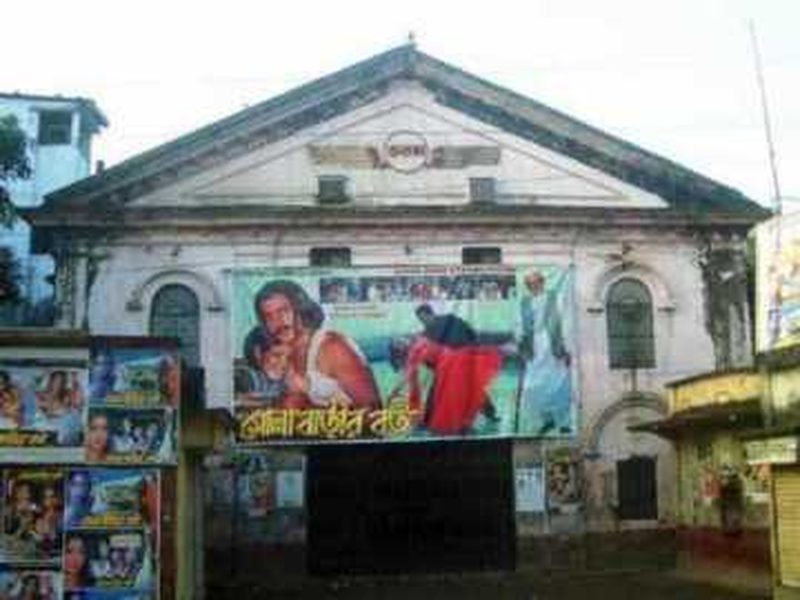
Few film industries carry a legacy as heavy — or as double-edged — as Bengali cinema’s. The land of Satyajit Ray, Ritwik Ghatak and Mrinal Sen practically invented Indian art cinema, and Kolkata’s filmmakers still measure themselves against that pantheon. Yet Tollygunge — the Kolkata neighbourhood that gives the industry its nickname — must also survive commercially in a market a fraction of Bollywood’s size. Balancing arthouse prestige with box office survival is Bengali cinema’s permanent condition.
The weight of the legacy
The golden age of Bengali cinema, from the 1950s through the 1970s, produced filmmakers of world-historical stature. Ray’s Apu trilogy remains Indian cinema’s most celebrated achievement internationally; Ghatak’s partition films and Sen’s political cinema defined engaged art filmmaking. This heritage is Bengali cinema’s greatest asset and its heaviest burden — every new generation works in the shadow of giants, judged by critics against standards no commercial industry could sustain.
The legacy sustains a serious film culture: film societies, festivals, and an audience segment that genuinely values cinematic art. But it also created a split personality — an industry that produces festival prizewinners and star-driven commercial entertainers with little overlap between the two, each eyeing the other warily.
The two tracks
Commercial Bengali cinema runs on star-led entertainers: action films, comedies and family dramas designed for West Bengal’s theatres, often adapting successful South Indian films. These films keep the industry’s commercial infrastructure — theatres, distributors, technicians — alive. Their economics are modest by national standards but viable within the Bengali market, supplemented by satellite and digital rights.
Parallel to this runs the arthouse and independent track: festival-oriented films, often made on shoestring budgets, winning national awards and international selection. These films rarely earn theatrically but bring prestige, critical attention and — increasingly — streaming deals that make them financially viable. Between the extremes, a middle cinema of content-driven dramas and thrillers has grown, serving multiplex audiences in Kolkata and finding wider life on OTT.
Tollygunge’s balancing act:
- Commercial track: star-led entertainers sustaining theatres and the industry’s cash flow.
- Arthouse track: festival films carrying the Ray legacy and winning critical prestige.
- Middle cinema: content-driven multiplex films increasingly finding streaming audiences.
- Remake economy: South Indian adaptations providing reliable commercial product.
The market constraints
West Bengal’s box office, while culturally vibrant, is limited — and it leaks. Bengali audiences in Kolkata’s multiplexes watch Hindi and English films in large numbers, fragmenting the market for Bengali product. Bangladesh, with its large Bengali-speaking population, is a natural extension market, and cross-border collaborations and releases have grown, though political and logistical frictions persist.
Budgets reflect these constraints. Even top Bengali commercial films cost a fraction of Bollywood equivalents, enforcing the efficiency that is also the industry’s creative signature. The constraint has a silver lining: Bengali filmmakers cannot buy spectacle, so they invest in writing, performance and atmosphere — the qualities the industry is known for.
Streaming and the new equilibrium
OTT platforms have been a quiet blessing for Bengali cinema’s middle and arthouse tiers. A thriller or drama that could never justify a wide theatrical release finds a national audience streaming, dubbed or subtitled. Kolkata’s creators increasingly develop projects for streaming first, and platforms have commissioned Bengali originals that would never have been financed theatrically. The balance is shifting: the commercial track still needs theatres, but the prestige track no longer does.
FAQs
Why is Bengali cinema called Tollygunge? After the Tollygunge neighbourhood of Kolkata where the industry’s studios clustered — a play on Hollywood, coined when the industry was centred there.
Does the Ray legacy help or hurt? Both — it sustains serious film culture and international attention, but it also sets critical expectations that commercial filmmakers find burdensome.
How big is the Bengali film market? Modest by national standards — West Bengal’s theatrical market is a fraction of the Hindi or Telugu markets, which is why budgets stay small and efficiency matters.
Tollygunge’s balancing act is Indian cinema in miniature: art and commerce, legacy and survival, sharing one small stage. That it keeps producing films of consequence on both tracks, decade after decade, is the real marvel — a tribute to a culture that refuses to choose between Ray and the box office.
Compiled by the Khabar 24h Editorial Desk from publicly available sources.

Khabar 24h Editorial Desk — our explainers are prepared by the Khabar 24h editorial team using AI-assisted research tools, and every piece is reviewed by a human editor before publishing. We do not claim original reporting: our work is turning complex topics into simple, accurate summaries. Spotted an error? Write to contact@khabar24h.com — our corrections policy aims for same-day review.
More from this author →