Ashwagandha: What Clinical Studies Actually Show About Its Benefits
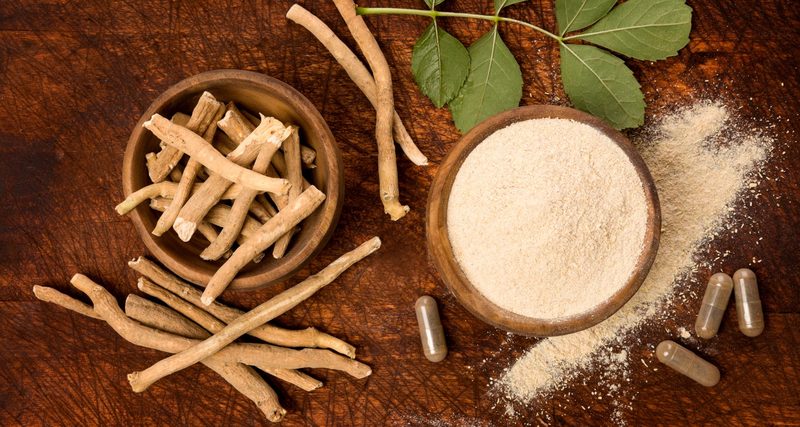
Ashwagandha, Withania somnifera, has gone from Ayurvedic staple to global wellness superstar, featuring in everything from stress gummies to gym supplements. Indians have used it for centuries as a rasayana, a rejuvenative tonic, but the modern claims, lower cortisol, deeper sleep, bigger muscles, higher testosterone, calmer minds, demand modern evidence. Over the past decade, dozens of randomised controlled trials have tested these claims, making ashwagandha one of the most clinically studied herbs in the world. The results are genuinely interesting, though more modest than the marketing.
Stress and anxiety: the strongest evidence
The best-supported claim is stress reduction. Multiple randomised, double-blind, placebo-controlled trials, several conducted in India, find that ashwagandha root extract, typically 300 to 600 mg daily of standardised extract for 8 weeks, significantly reduces perceived stress scores and, in some trials, serum cortisol levels compared with placebo. Effect sizes are moderate, meaningful but not miraculous, roughly comparable to the stress-reduction effects of regular exercise or mindfulness practice in head-to-head terms. Anxiety symptoms improve in several trials as well. This is the claim with the most consistent replication, and the one clinicians take most seriously.
Sleep: promising but early
A smaller set of trials suggests ashwagandha improves sleep quality, reducing sleep-onset time and improving sleep efficiency scores, particularly in people with insomnia or non-restorative sleep. A 2021 systematic review found modest benefits, but the trials are few, small and short. The proposed mechanism, GABA-mimetic activity promoting calm, is plausible but not proven. Verdict: promising enough to justify larger trials, not solid enough to recommend as a primary insomnia treatment. It may suit those whose poor sleep is driven by stress and rumination, the population most studied.
Strength, muscle and testosterone
- Strength and muscle: a few trials in resistance-trained men show greater strength and muscle-size gains with ashwagandha versus placebo over 8 to 12 weeks. Interesting, but small trials; not a substitute for training or protein.
- Testosterone: trials in stressed or infertile men show modest increases in testosterone and improvements in sperm parameters. Evidence in healthy, non-stressed men is weaker; the effect seems largest where stress or subfertility suppressed levels.
- Cognitive function: early trials suggest small improvements in memory and attention, but the evidence is preliminary.
- Thyroid: one trial showed increased thyroid hormone levels, a flag for caution in hyperthyroid patients rather than a benefit claim.
Safety and side effects
Ashwagandha is well tolerated in trials up to 12 weeks, with mild gastrointestinal upset, drowsiness and headache the commonest complaints. But cautions are real: it may potentiate sedatives and thyroid medication; it is not recommended in pregnancy, traditional texts actually used it to avoid pregnancy, and modern data are insufficient; people with hyperthyroidism, autoimmune conditions or hormone-sensitive cancers should consult doctors; and rare cases of herb-induced liver injury have been reported, reminding users that natural is not synonymous with harmless. Long-term safety beyond a few months is unstudied.
Choosing a product
Trials use standardised root extracts, often KSM-66 or Sensoril, at 300 to 600 mg daily; raw root powder in capsules is less standardised and less studied at equivalent doses. Look for third-party testing, standardised withanolide content, and licensed manufacturers. Avoid products making disease-cure claims or hiding behind proprietary blends. And keep expectations calibrated: ashwagandha is an adjunct for stress and possibly sleep, not a replacement for therapy, exercise or medical treatment.
Finally, keep ashwagandha in perspective within a broader stress strategy. No supplement compensates for chronic sleep deprivation, unmanageable workload or untreated anxiety; the herb works best as one component alongside the fundamentals of rest, movement and boundaries. Consumers who track their own response, sleep quality and perceived tension, over eight weeks get the clearest signal of whether it earns its place in their routine.
FAQs
How long before it works? Trials show effects building over 4 to 8 weeks; it is not an acute calmative.
Can women take ashwagandha? Yes, except in pregnancy and breastfeeding; most stress and sleep trials included women with similar benefits.
Does it interact with my medicines? Possibly with sedatives, thyroid drugs, immunosuppressants and diabetes or blood-pressure medicines; disclose it to your doctor.
Ashwagandha earns its reputation more honestly than most wellness fads: real trials, real but moderate effects, clearest for stress, plausible for sleep, and overstated for everything else. Treat it as a useful tool in the stress-management kit, alongside sleep, exercise and boundaries, and it will not disappoint. Expect a miracle herb, and the only thing reduced will be your wallet.
Compiled by the Khabar 24h Editorial Desk from publicly available sources.

Khabar 24h Editorial Desk — our explainers are prepared by the Khabar 24h editorial team using AI-assisted research tools, and every piece is reviewed by a human editor before publishing. We do not claim original reporting: our work is turning complex topics into simple, accurate summaries. Spotted an error? Write to contact@khabar24h.com — our corrections policy aims for same-day review.
More from this author →