CBSE Class 10 Board Exam Preparation: Subject-Wise Strategy to Score Above 90 Percent
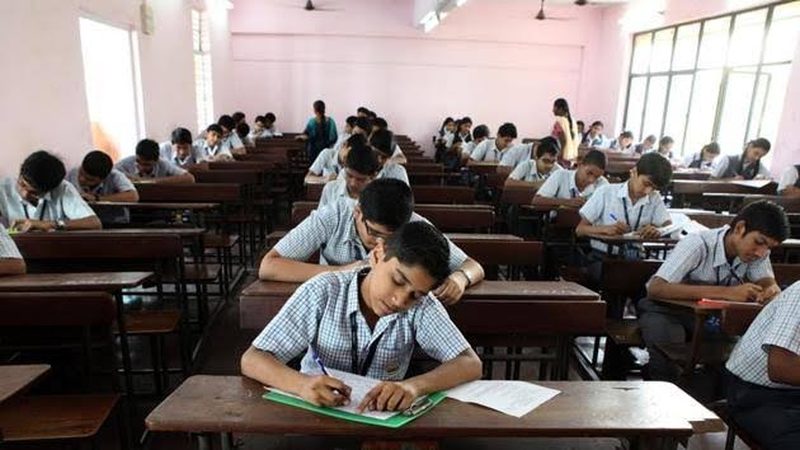
The CBSE Class 10 board exams are the first national-level examination most Indian students ever face, and the difference between 82 per cent and 92 per cent rarely comes down to intelligence. It comes down to strategy: knowing how the marking scheme awards marks, which chapters carry the most weight, and how to present answers the way examiners expect. This subject-wise guide distils what consistently separates the 90-plus scorers from everyone else.
Science: diagrams, definitions and NCERT lines
Class 10 Science rewards precision. In Physics, every numerical must show the formula, substitution, calculation and unit — marks are split across these steps, so a correct final answer with no working earns little. In Chemistry, learn reactions as balanced equations and practise writing them from memory; the difference between a word equation and a balanced chemical equation is often a full mark. In Biology, labelled diagrams are non-negotiable — a well-drawn, correctly labelled diagram of the human heart or a flower can fetch full marks even with minimal text. Read NCERT line by line, because assertion-reason and case-based questions are lifted directly from its phrasing.
Mathematics: the NCERT-first rule
Mathematics is the highest-scoring subject for prepared students because the paper is almost entirely predictable. Master every NCERT example and exercise question first — board papers historically draw heavily from them. Then move to previous years’ papers to learn the recurring patterns in chapters like quadratic equations, arithmetic progressions, trigonometry and surface areas. Presentation matters: write each step on a new line, box the final answer, and never skip the rough-work discipline of writing formulae before substituting values. Attempt the full paper in mocks within the time limit, because speed, not knowledge, is what usually costs marks in Maths.
Social Science: structure beats length
Students lose marks in Social Science not for wrong content but for unstructured answers. For every long answer, use the point format: one clear point per line, with the key term underlined. History answers should follow a simple arc — background, key events, consequences. Geography demands map work: practise locating and labelling on outline maps, since map questions are free marks if prepared. In Civics and Economics, quote the NCERT definitions verbatim where they exist. Learn dates and data (like sectoral contributions to GDP) as a separate revision list, because factual precision is what pushes answers from average to full marks.
English and Hindi: format is half the battle
Languages are often the difference between 88 and 93 per cent aggregate. In writing skills — letters, notices, analytical paragraphs — the format carries dedicated marks, so memorise the exact formats and never improvise. In literature, answers must reference the text: quote or closely paraphrase lines from the chapter or poem, then explain. Grammar sections are pure practice — ten minutes of daily drills through the year beats a week of cramming. For Hindi, focus on vyakaran rules and practise writing answers in clean, legible handwriting, since language examiners penalise illegibility more than students expect.
The final 60 days: revision over new learning
In the last two months, stop learning new material and switch to consolidation. Solve at least five previous years’ papers per subject under timed conditions, maintain an error notebook of every mistake, and revise it weekly. CBSE’s sample papers, released each year, reveal the current question style — including the weightage of competency-based questions — and should be solved twice. Sleep, surprisingly, is a scoring strategy: a rested brain recalls diagrams and formulae far better than a tired one.
FAQs
How important are NCERT books for Class 10 boards? They are the single most important resource. The paper is set from the NCERT syllabus, and a large share of questions trace directly to NCERT text, examples and exercises.
Can I score 90+ without coaching? Yes. Class 10 boards test syllabus mastery and presentation, both achievable through NCERT, sample papers and disciplined self-study.
How should I manage time in the exam hall? Finish the paper 15 minutes early by design — spend the first two minutes planning, answer in order of confidence, and reserve the last stretch for revision and diagram labelling.
Ninety per cent is not a talent threshold; it is a systems threshold. Master the marking scheme, present answers the examiner’s way, and let consistent revision do the rest.
Compiled by the Khabar 24h Editorial Desk from publicly available sources.

Khabar 24h Editorial Desk — our explainers are prepared by the Khabar 24h editorial team using AI-assisted research tools, and every piece is reviewed by a human editor before publishing. We do not claim original reporting: our work is turning complex topics into simple, accurate summaries. Spotted an error? Write to contact@khabar24h.com — our corrections policy aims for same-day review.
More from this author →