Saturn’s moon Enceladus looks more habitable, studies say
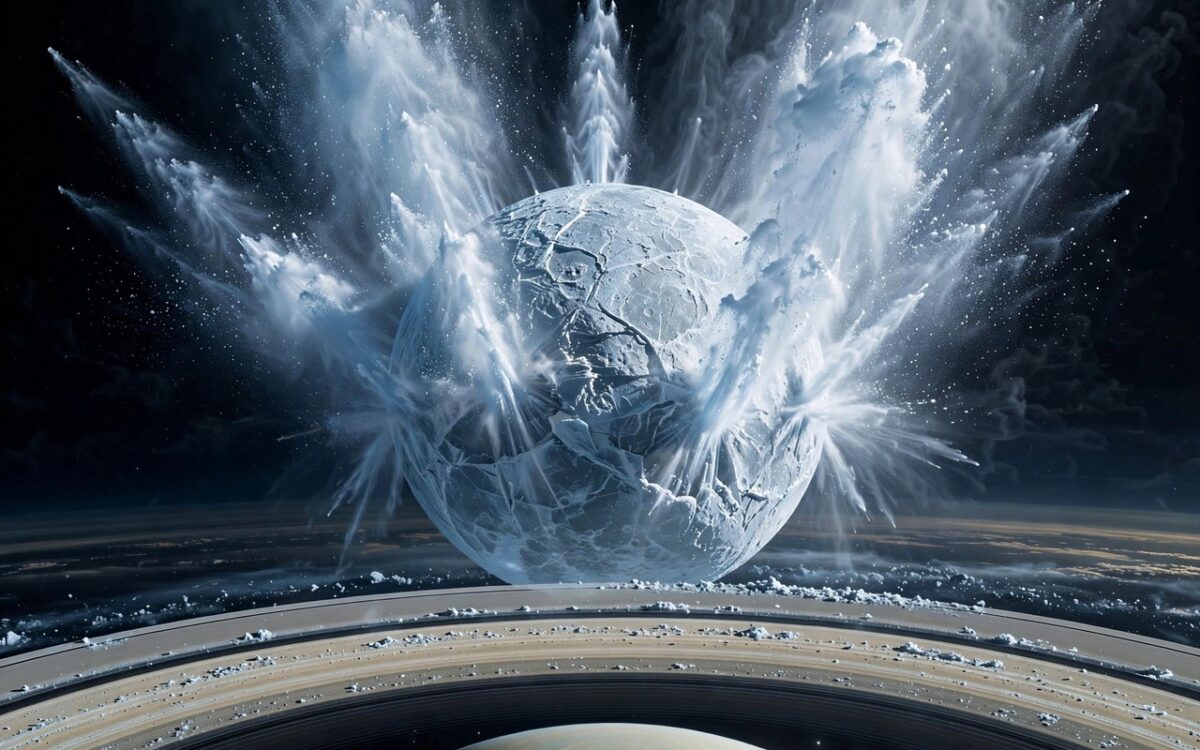
Two new studies suggest Saturn’s icy moon Enceladus may be more hospitable to life than scientists thought. The research appeared in the journal Science Advances on September 25.
In one study, an Earth microbe that makes methane grew under chemical conditions chosen to mimic Enceladus’s hidden ocean. The result shows known life could, in theory, survive there.
The second study found that freezing and shattering of ice grains could concentrate organic material in the moon’s famous plumes. That would make future life-detection missions more likely to succeed.
Scientists stressed that no life has been found on Enceladus. The moon’s subsurface ocean remains one of the best places to search, alongside Europa.
NASA and European teams are designing missions to fly through the plumes and taste their chemistry. The new findings strengthen the case for going back.
The plumes were first spotted by NASA’s Cassini spacecraft, which flew through them and tasted their chemistry. Cassini’s data showed the spray contains water, salts and organic molecules.
Related stories
View all →
SpaceX Starship reaches orbit for the first time
SpaceX's Starship reached Earth orbit for the first time on Flight 14, deploying 26 next-generation Starlink satellites.
JUICE slingshots past Earth on its way to Jupiter
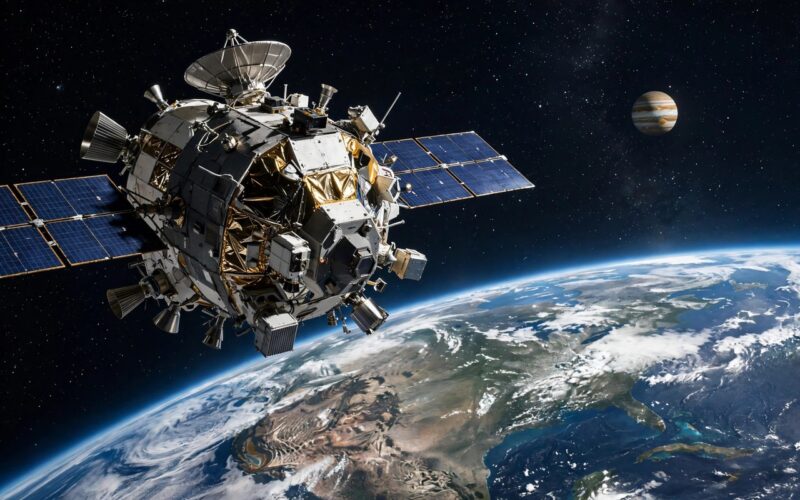
ESA's JUICE spacecraft completed an Earth gravity assist on September 28, gaining speed for its 2031 Jupiter arrival.
TakeMe2Space to launch orbital AI satellite on SpaceX
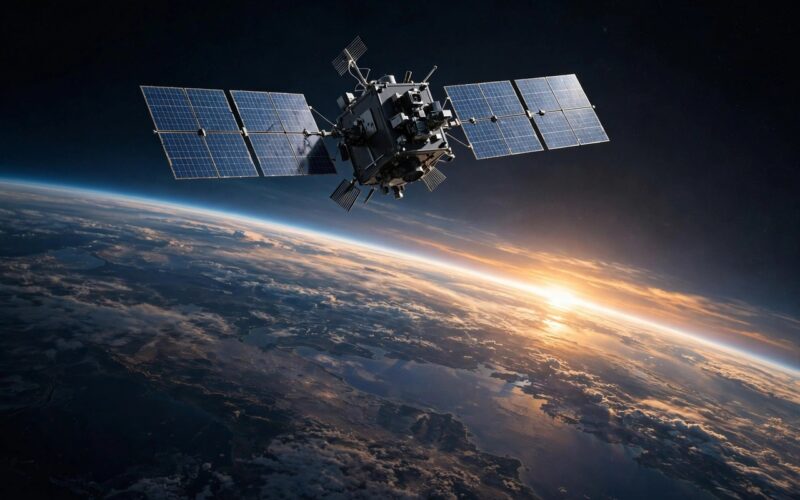
TakeMe2Space will launch its MOI-1A orbital-computing satellite on a SpaceX Transporter-18 mission on October 1 with 23 customers aboard.

Khabar 24h Editorial Desk — our explainers are prepared by the Khabar 24h editorial team using AI-assisted research tools, and every piece is reviewed by a human editor before publishing. We do not claim original reporting: our work is turning complex topics into simple, accurate summaries. Spotted an error? Write to contact@khabar24h.com — our corrections policy aims for same-day review.
More from this author →
Leave a Reply