Mercosur Explained: South America’s Common Market and Its Stalled Promise
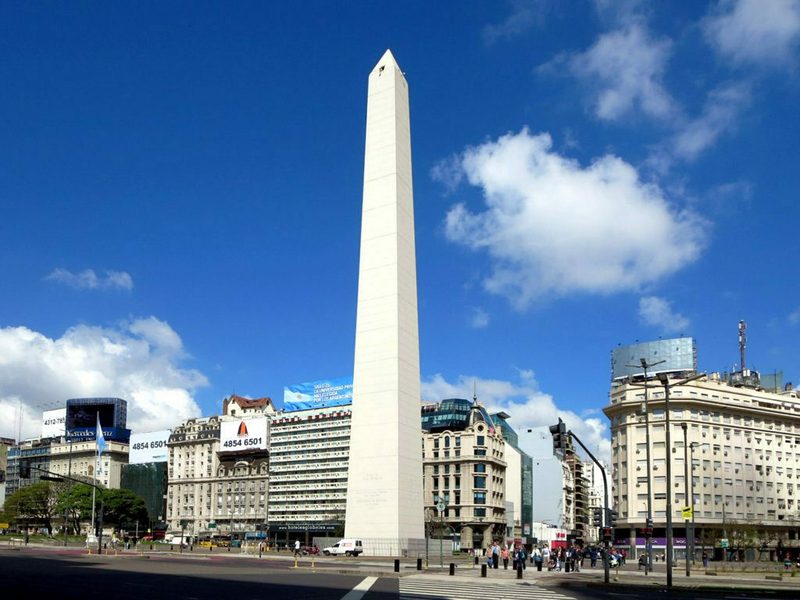
In 1991, Argentina, Brazil, Paraguay and Uruguay signed the Treaty of Asuncion, creating Mercosur, a common market meant to do for South America what the European Community had done for Europe. Three decades on, the bloc is South America’s largest trade arrangement and also its great disappointment: tariffs linger, members quarrel, and the promised EU trade deal took 25 years to negotiate. This explainer covers Mercosur’s stalled promise and why it still matters.
What Mercosur was supposed to be
The ambition was sweeping: a customs union with a common external tariff, free movement of goods, services and people, and eventually political integration. The early years delivered: intra-bloc trade boomed in the 1990s as tariffs fell. But the 1999 Brazilian devaluation and Argentina’s 2001 collapse exposed the flaw: members with volatile economies and divergent interests could not sustain deep integration. The customs union was never completed, riddled with exceptions, and grand political projects, a Mercosur parliament, a common currency, remained decorative.
What it actually achieved
The record is not all failure. Mercosur gave South America its most durable integration framework, a democracy clause that helped deter coups, and a platform for negotiating as a bloc. Venezuela’s 2012 admission and 2016 suspension showed the clause has teeth. The bloc coordinates infrastructure, energy and health policy, and its passport and residency agreements ease movement for millions. For smaller members like Uruguay and Paraguay, Mercosur provides leverage they would lack alone. The problem was never the idea but the gap between the rhetoric of integration and the reality of protectionism.
The EU deal saga
The Mercosur-EU trade agreement, negotiated for a quarter-century and finalised in 2024, would create one of the world’s largest free-trade zones. European farmers fear a flood of South American beef and soy; Amazon deforestation concerns nearly killed it; France led opposition while Germany and Spain pushed for completion. Ratification remains uncertain, with European parliaments and courts as potential veto points. If it survives, the deal would be Mercosur’s biggest win ever; if it dies, it will confirm the bloc’s reputation for promising more than it delivers.
- Founding members (1991): Argentina, Brazil, Paraguay, Uruguay; Bolivia joined fully in 2024.
- Combined GDP makes it among the world’s largest trade blocs.
- The EU deal was negotiated for 25 years before its 2024 conclusion.
- Venezuela was suspended in 2016 over democratic backsliding.
Why integration stalled
Three forces froze Mercosur. First, economics: Argentina’s chronic crises and Brazil’s industrial protectionism made a real common market painful. Second, politics: leftist governments used the bloc for ideology, rightist ones for photo-ops, and neither for integration. Third, asymmetry: Brazil dwarfs the others, breeding resentment, while Uruguay and Paraguay periodically threaten to go it alone on trade deals. Presidents from Milei to Lula have swung between wanting to shrink Mercosur and expand it, and the bloc lurches with each election cycle.
Does Mercosur still matter?
Reports of its death are premature. In a world of US-China rivalry, South America needs collective bargaining power, and Mercosur is the only vehicle available. The EU deal, if ratified, could revive its purpose; the bloc’s democracy clause remains a regional safeguard; and new members like Bolivia add weight. But without completing the customs union and taming members’ protectionist reflexes, Mercosur will remain what it has been for thirty years: a good idea waiting for the political will to match it.
FAQs
Which countries are in Mercosur? Argentina, Brazil, Paraguay, Uruguay and Bolivia are full members; several others, including Chile and Colombia, are associates.
Is Mercosur like the EU? It aspired to be, but it lacks the EU’s supranational institutions, completed customs union and political integration.
What is the EU-Mercosur deal? A trade agreement finalised in 2024 after 25 years of talks, creating a massive free-trade zone; ratification is still pending.
Mercosur’s story is South America’s in miniature: enormous potential, fitful progress, and politics that keeps getting in the way. The promise of 1991 is still on the table; whether anyone picks it up is the region’s open question.
In recent years, Mercosur has shown flickers of revival. The EU deal’s conclusion, however uncertain its ratification, gave the bloc its first major external win in decades. Uruguay’s push for bilateral deals outside the bloc and Argentina’s libertarian turn under Javier Milei, who has mused about leaving, keep tensions alive. Yet the sheer logic of a 300-million-person market in an era of great-power rivalry keeps members at the table, arguing over a project none wants to abandon and none will complete.
Compiled by the Khabar 24h Editorial Desk from publicly available sources.

Khabar 24h Editorial Desk — our explainers are prepared by the Khabar 24h editorial team using AI-assisted research tools, and every piece is reviewed by a human editor before publishing. We do not claim original reporting: our work is turning complex topics into simple, accurate summaries. Spotted an error? Write to contact@khabar24h.com — our corrections policy aims for same-day review.
More from this author →