LFP vs NMC vs Solid-State: EV Battery Types Compared
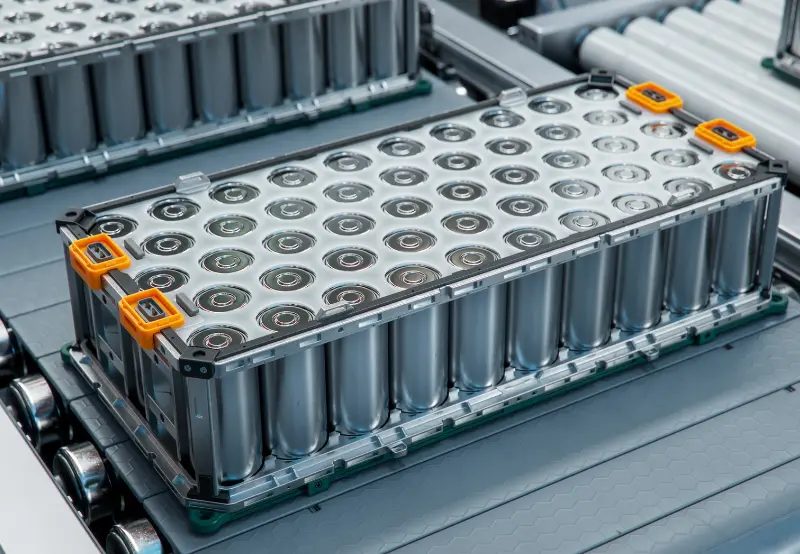
Not all EV batteries are the same chemistry, and the chemistry inside the pack shapes everything about the car: how far it goes, how much it costs, how long it lasts, and how it behaves in Indian summers. Three names dominate the conversation in 2026: LFP, the affordable workhorse; NMC, the long-range performer; and solid-state, the long-promised revolution. Carmakers choose between them the way buyers once chose between petrol and diesel, and the choice matters. Here is how the three battery types compare on the things that actually affect owners.
LFP: the affordable workhorse
LFP, lithium iron phosphate, is the chemistry behind the affordable EV boom. Its cathode uses iron and phosphate, abundant cheap materials with no nickel or cobalt, which makes LFP packs significantly cheaper than alternatives. It is also the safety champion: LFP chemistry is far more resistant to thermal runaway, the chain reaction behind battery fires, and tolerates being charged to 100 per cent regularly without accelerated degradation, a genuine daily convenience. The trade-offs are lower energy density, meaning less range per kilogram, and weaker performance in cold weather, less relevant in most of India. LFP dominates electric two-wheelers, buses and budget cars, including many Tata and MG models, and its market share keeps growing as costs fall.
NMC: the long-range performer
NMC, nickel manganese cobalt, is the chemistry of long range and high performance. By packing nickel into the cathode, NMC achieves substantially higher energy density than LFP: more kilometres per kilogram of battery, which is why premium EVs with 400-plus km of real range overwhelmingly use NMC or its close cousin NCA. The price is literal: nickel and especially cobalt are expensive, price-volatile and burdened with ethical concerns around mining. NMC is also more thermally sensitive, demanding sophisticated battery management and cooling, and it prefers to be charged to 80 or 90 per cent for daily use rather than 100. For buyers who need maximum range, tow loads, or simply want the longest-legged EV, NMC remains the answer, at a premium.
Solid-state: the promised revolution
Solid-state batteries replace the liquid electrolyte in today’s lithium-ion cells with a solid ceramic or polymer layer. The payoff, in theory, is dramatic: roughly double the energy density, far faster charging, and near-elimination of fire risk, since there is no flammable liquid to ignite. Toyota, Samsung and several startups have demonstrated prototypes, and pilot production lines are running. The catch is manufacturing: making solid electrolyte layers thin, uniform and cheap at automotive scale has proven brutally difficult, and timelines have slipped repeatedly. In 2026, solid-state remains a next-decade technology for mass-market cars, with limited early applications likely in premium models first. Treat every “solid-state breakthrough” headline as a progress report, not a product launch.
Head-to-head comparison
How the three stack up on what matters:
- Cost: LFP cheapest, NMC mid-to-premium, solid-state currently prohibitive for mass production.
- Range per kg: NMC leads, LFP trails by roughly 20-30 per cent, solid-state promises double.
- Safety: LFP and solid-state excel; NMC needs more careful thermal management.
- Lifespan: LFP typically endures more charge cycles, often 3,000-plus; NMC somewhat fewer.
- Charging habits: LFP happily charges to 100 per cent; NMC prefers 80-90 per cent for longevity.
- Indian climate: LFP’s heat tolerance suits Indian summers; NMC needs robust cooling systems.
- Availability: LFP and NMC are mass-market now; solid-state is still pre-commercial.
Which battery should you choose?
For most Indian buyers in 2026, the practical choice is between LFP and NMC, and the answer follows your driving. City commuters and budget buyers should embrace LFP: cheaper, safer, longer-lived, and charge-to-100 convenience outweighs the range deficit when daily runs are short. Highway drivers and those who need every kilometre should pay the NMC premium. Either way, buy from a reputable manufacturer with a proper battery management system and an 8-year warranty; chemistry matters less than build quality. As for solid-state, it is the technology to watch, not to wait for: today’s LFP and NMC cars will serve you well for a decade while the revolution sorts out its manufacturing.
FAQs
Can I replace an LFP battery with NMC later? No. The battery management system, cooling and packaging are designed around a specific chemistry; swaps are not practical or supported.
Do EV batteries need replacement like phone batteries? No. EV packs are engineered for a decade-plus of service with sophisticated management, unlike phone batteries. Capacity fades gradually, not catastrophically.
Are sodium-ion batteries coming? Yes, sodium-ion is emerging as an even cheaper alternative for short-range vehicles and storage, though energy density is lower than LFP. Watch this space.
Battery chemistry is the new engine technology: invisible to the eye, decisive for the experience. LFP democratised the EV, NMC stretched its legs, and solid-state waits in the wings. Knowing which chemistry sits under your floor is the modern equivalent of knowing what is under your bonnet.
Source: Autocar India

Khabar 24h Editorial Desk — our explainers are prepared by the Khabar 24h editorial team using AI-assisted research tools, and every piece is reviewed by a human editor before publishing. We do not claim original reporting: our work is turning complex topics into simple, accurate summaries. Spotted an error? Write to contact@khabar24h.com — our corrections policy aims for same-day review.
More from this author →